Deutsch
Kyphi
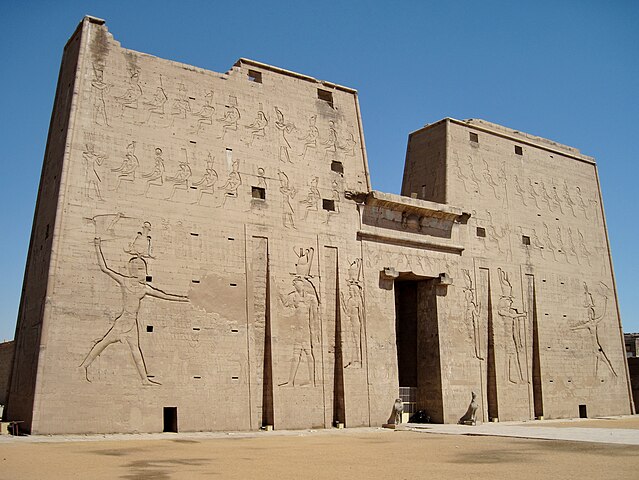
Kyphi is not a single plant but one of the oldest recorded incense blends in human history — a complex ancient Egyptian combination of numerous aromatic ingredients: resins such as myrrh and frankincense, various herbs and spices, and sometimes wine, honey, and dried floral elements. Ancient sources such as Plutarch and the Ebers Papyrus preserve several, sometimes conflicting recipes with as many as 16 different ingredients. The mixture was usually prepared as a sticky paste and shaped into cones, balls, or sticks, which sometimes had to mature for weeks before burning. The name "kyphi" derives from the ancient Egyptian word "kapet," simply meaning "incense," though over time it came to denote this elaborate temple blend specifically. Commonly cited ingredients, besides myrrh and frankincense, included cinnamon, calamus, mastic, juniper berries, and raisins.
Kyphi was burned in ancient Egyptian temples during religious ceremonies and was considered purifying and sacred — a scent meant to forge a connection between the senses and the divine, particularly in the evening rites honouring the sun god Ra. Its exact composition varied over the centuries and by temple and region, but the incense remained a fixture of both temple worship and daily life, valued for its pleasing aroma and its perceived calming, health-supporting properties — Greek and Roman writers also record its use as a remedy for insomnia and for easing anxiety. Its preparation was a complex, often multi-stage process that, according to surviving recipes, could take weeks: ingredients were first soaked in wine, then mixed with honey, and finally shaped into cones that had to mature before actual use. Only initiated priests were permitted to prepare the blend according to strictly preserved ritual.
Burned, kyphi releases a rich, complex aroma — at once sweet and earthy, resinous and faintly wine-like, evoking a sense of calm and spiritual elevation. To this day, kyphi stands as a symbol of ancient Egyptian spirituality and the close bond between scent, meditation, and healing, and modern reconstruction attempts try to come as close as possible to its layered, historically documented character. Kyphi found admirers beyond Egypt as well: Greek and Roman writers such as Plutarch described it in detail, and even centuries after the end of the pharaonic era, its reputation as one of antiquity's most refined incense blends endured.
Used in the following concerts