Deutsch
Laurel (Laurus nobilis)
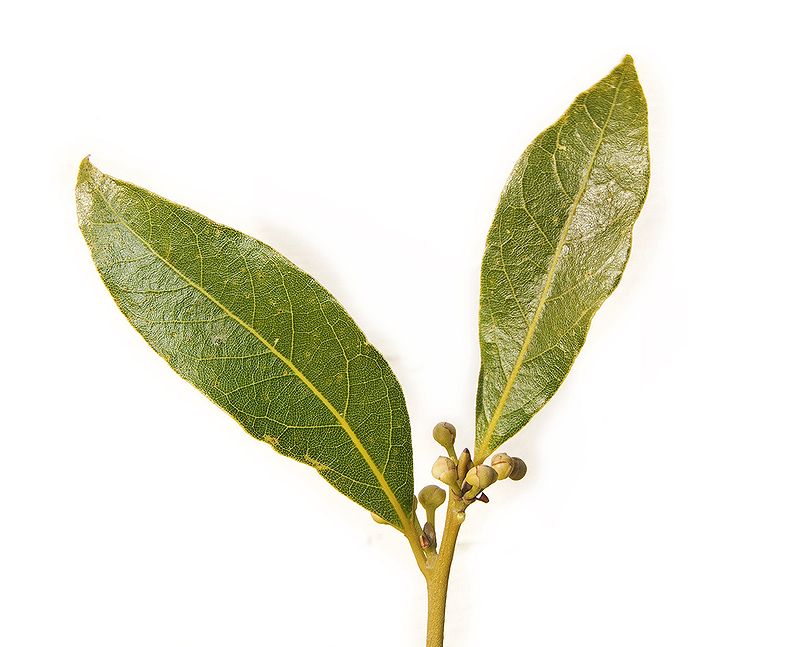
Bay laurel is an evergreen shrub or small tree native to the Mediterranean, capable of reaching up to ten metres in height. Its glossy, leathery dark-green leaves carry a bold, spicy aroma, contain essential oils with anti-inflammatory properties, and have been used since antiquity both as a culinary herb and as a symbol of victory and honour — the laurel wreath remains a familiar image to this day. Botanically, Laurus nobilis is the type species of the laurel family (Lauraceae), which also includes cinnamon, camphor, and avocado. Its small, yellowish-green flowers appear in spring, followed by dark purple, berry-like fruit. In some parts of the Mediterranean, oil pressed from the berries is traditionally used to make Aleppo soap, one of the oldest known types of soap.
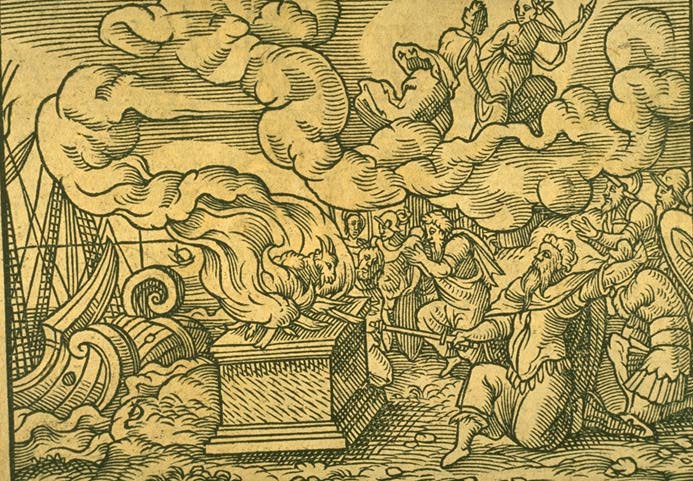
In ancient Greece, laurel was sacred to the god Apollo. According to legend, the nymph Daphne was transformed into a laurel bush by her father, the river god Peneus, to escape Apollo's pursuit — Apollo then wore a wreath of laurel branches in mourning for his unrequited love. Wreaths woven from its branches went on to crown the victors of athletic and poetic competitions, and victorious Roman generals entered the city crowned with a laurel wreath (corona triumphalis); Roman emperors later adopted the same symbol. The tradition still echoes today — in the English title "poet laureate," in the word "baccalaureate" (literally, "laurel berry"), in Germany's highest sporting honor, the Silbernes Lorbeerblatt (Silver Laurel Leaf), and in the Laureus World Sports Awards. In the Bible, laurel is often an emblem of prosperity and fame, and in Christian tradition it symbolizes the resurrection of Christ. In Judaism and early Christianity too, laurel was seen as a symbol of eternal life, since its evergreen leaves do not wither even in winter. In many Mediterranean cuisines, the dried leaf remains indispensable today for stews, sauces, and marinades.
Burned as incense, laurel gives off a warm, spicy-resinous scent with a faint, sweet sharpness. The dried leaves are traditionally burned to energetically clear a space and create a focused, ceremonial atmosphere — a scent associated with clarity and a certain sense of dignity. Some herbalists also traditionally burn laurel to seek clarity and inspiration before important decisions or creative undertakings — a practice drawn directly from its ancient connection to Apollo, god of prophecy.
Used in the following concerts