
 Deutsch
Ein olfaktorisches Konzert – 13. März 2017, 20 Uhr –Katerina Fotinaki: Gesang, Gitarre – Evi Filippou: Perkussion – Fabio Dondero und Dominik Breider: Incense burning: Griechische Zypresse (Cupressus sempervirens) und Wermut (Artemisia absinthium L.) – Palais im Roten Salon in der Volksbuehne, Berlin – LINK VOLKSBUEHNE
Katerina Fotinakis Performance „Spell“ ist eine Art exorzistischer Reiseführer zwischen antiker Hexerei und moderner Neurose. Die gefeierte griechische Liedermacherin bietet auf musikalisch-poetische Weise Heilmittel gegen Verzweiflung und bösen Zauber.
Kompositionen von: Katerina Fotinaki, Screaming Jay Hawkins, Leonard Cohen, Violent Femmes, Guillaume de Machaut, Henry Purcell, Georges Aperghis, Manos Hadjidakis und Mikis Theodorakis. Neben orphischen Sprüchen und antiken griechischen Zauberformeln rezitiert Katerina Texte von Sappho, T.S. Eliot, W. Blake, A. Tennyson, O. Elytis, K. Palamas und D. Solomos.
Musikalisch begleitet wird sie durch die griechische Perkussionistin Evi Filippou. Simultan zum Konzert werden griechische Zypresse (Cupressus sempervirens) und Wermut (Artemisia absinthium L.) geräuchert.
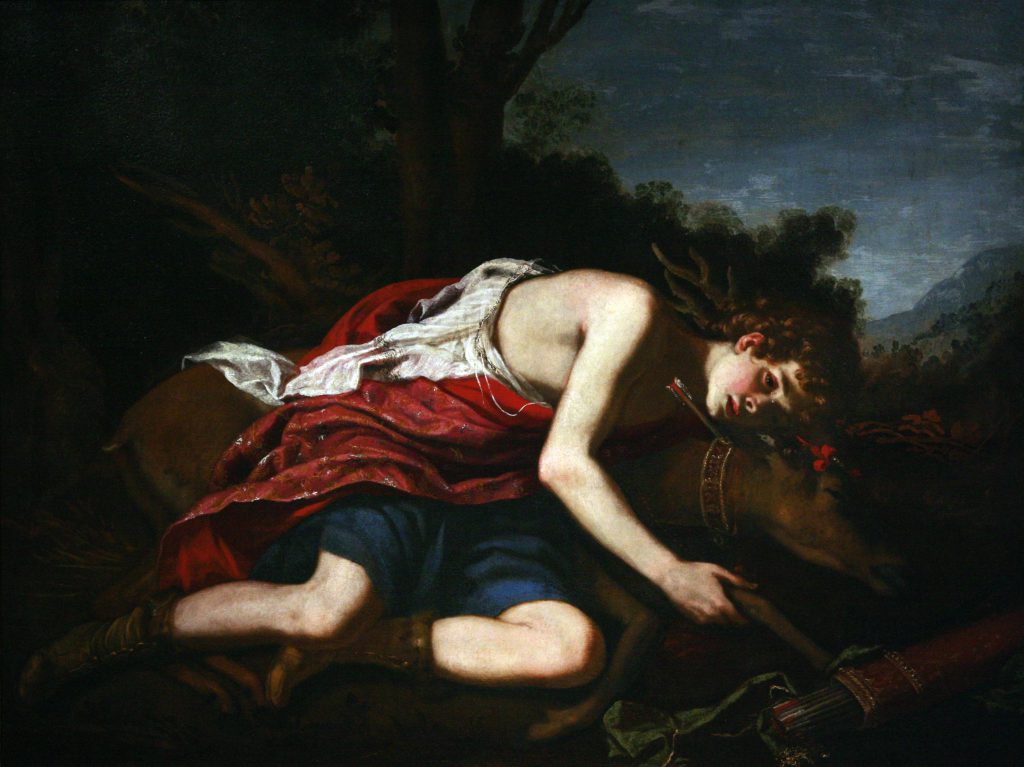
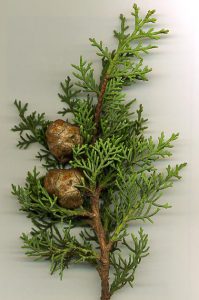
Die Mittelmeer-Zypresse (Cupressus sempervirens) ist ein immergrüner Baum undwird auch Säulen-Zypresse, Echte Zypresse oder Trauer-Zypresse genannt. Sie isteine Art innerhalb der Familie der Zypressengewächse (Cupressaceae). Zypressen-Arten findet man in allen warmen Klimazonen der nördlichen Hemisphäre. Wieandere Zypressen-Arten zeigt die Mittelmeer-Zypresse unter günstigen Bedingungenein erstaunliches Höhenwachstum und kann in 10 Jahren 4 bis 6 Metererreichen. Die Mittelmeer-Zypresse gilt als Vorwald- und Pionierbaumart. Sie ist sehranpassungsfähig und dürreresistent. Sie wächst sowohl auf Kalk-, Mergel- undTonböden wie auch auf trockenen und armen Standorten.Das ursprüngliche Verbreitungsgebiet dieses Baumes umfasste den östlichenMittelmeerraum. Es erstreckt sich dabei über Griechenland, die Ägäischen Inseln,Kreta, Zypern, Syrien, Israel, Zilizien sowie über den Libanon bis in den südwestlichenIran. Die Art wurde bereits in der Antike in Italien und später in Frankreichund Spanien eingeführt. In Deutschland sind Zypressen nicht heimisch.
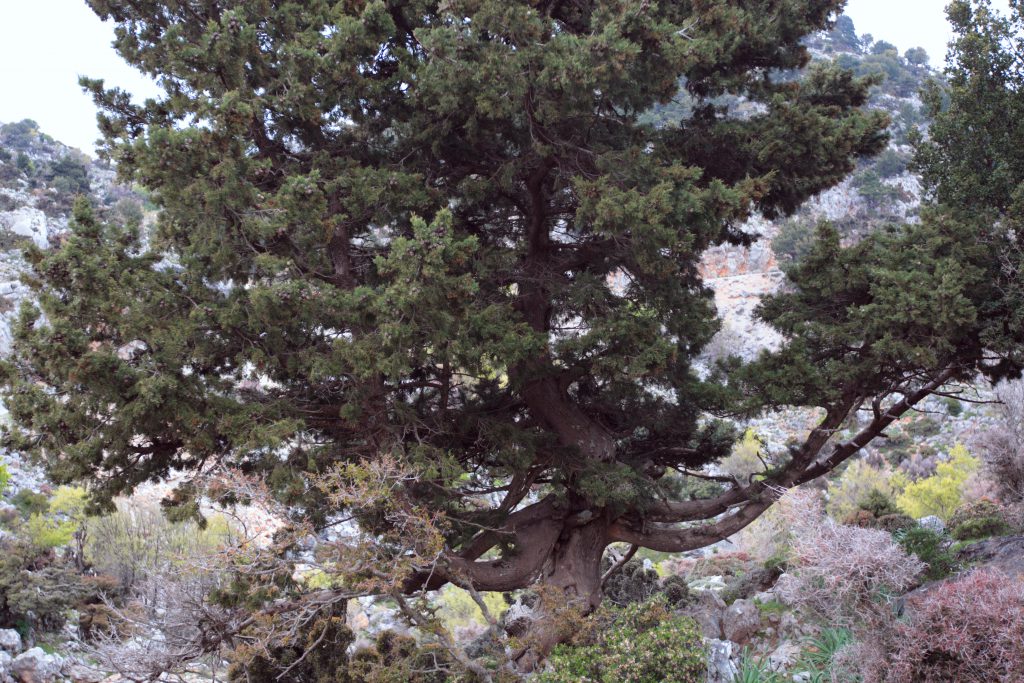
Das angenehm riechende und leicht zu bearbeitende Holz der Mittelmeer-Zypresseist von feiner Struktur und leicht rötlicher Farbe. Es ist hart, dichtfaserig und sehrhaltbar. Während der Antike wurde es für Pfosten, Dachsparren, Balken und für dieKonstruktion von Weinpressen, Tischen und Musikinstrumenten verwendet und warin dieser Hinsicht so wertvoll, dass eine Zypressenplantage als zureichende Mitgiftfür eine Tochter galt. In den alten Kulturen Assyriens wurde es als würdiges Materialfür Statuen, Tempeltüren und Sarkophage geschätzt. Auch Zauberstäbe zurNekromantie (Totenbeschwörung) wurden aus Zypresse hergestellt. Aus denBlättern und den jungen Zweigen wird durch Wasserdampfdestillation das ätherischeÖl gewonnen. Öl und Holz der Zypresse wurden aufgrund ihrer antibakteriellenEigenschaften auch bei der Bekämpfung von Seuchen eingesetzt.In der osmanischen Kultur gilt die Zypresse als Lebensbaum. Ihre Gestalt schmückttürkische Brunnen, Grabsteine und Gebetsteppiche. Stellt man ihre Zweige in eineVase, so halten diese das Wasser wochenlang frisch und es verdunstet auch kaum.Für die Griechen Antike war sie ein Symbol der Trauer und gleichzeitig derMetamorphose als Zusammenkunft von Leben und Tod, von Gedächtnis undVergessen. Sie blieb auch in christlichen Zeiten ein immergrünes Symbol derLanglebigkeit und der Unsterblichkeit der Seele.
Nach orphischer Überlieferung entspringen in der Unterwelt zwei Flüsse: zurRechten die Quelle der Erinnerung,Mnemosyne; und zur LinkenLethe, der Fluss desVergessens – zu Füßen einer weißen Zypresse.Eine weitere literarische Quelle für das Mythologem um Trauer und Metamorphoseist die Geschichte von Kyparissos, Sohn des arkadischen Helden Telephos und einGeliebter Apollons. In jugendlicher Jagdlust tötet er versehentlich sein eigenesHaustier, einen zahmen Hirschen, welcher unter dem Schutz der Nymphen Carthaeassteht. Untröstlich über seinen Irrtum trauert Kyparissos und wird daraufhin vonApollon in die Gestalt der Zypresse verwandelt:
„Als nun gänzlich das Blut durch ständiges Weinen erschöpft war,
Da hub an sich in Grün zu verwandeln der Körper des Knaben;
Das an der schneeigen Stirn noch eben gehangen, das Haupthaar,
Wurde zu struppigem Laub und schaute, behaftet in Starrheit
Zu den Gestirnen empor mit schmal zugehendem Wipfel.
Schmerzlich seufzte der Gott und sprach: „Stets sollst du betrauert
Werden von uns und, nah den Bekümmerten, andre betrauern.“
(Ovid, Metamorphosen; Übersetzung R. Suchier)
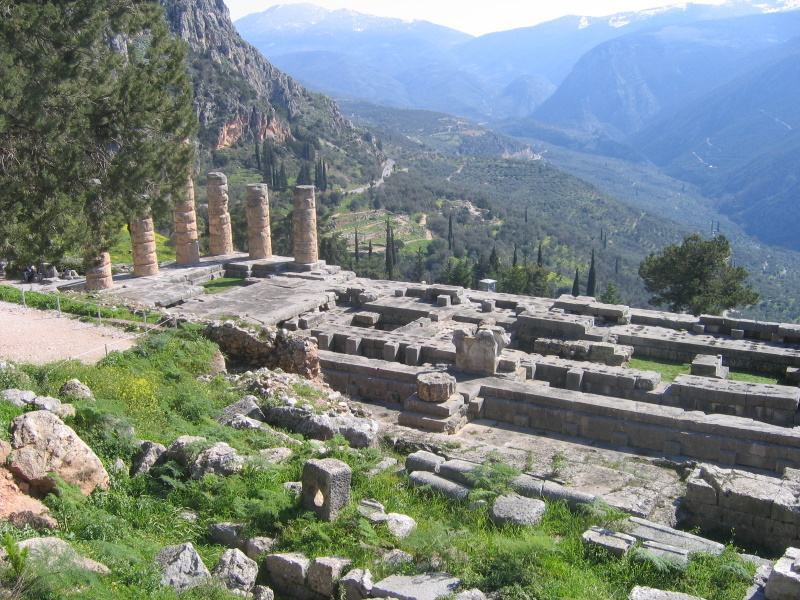
Die am heutigen Abend verräucherte Zypresse wurde in unmittelbarer Nähe des apollinischen Ringhallen-Tempels in Delphi gepflückt. Die heute noch sichtbaren Ruinen mit den sechs wieder aufgerichteten dorischen Säulen sind die Reste des 320 v. Chr. vollendeten Tempels, der auch der Sitz des Orakels von Delphi war. Im Adyton, dem Allerheiligsten des Tempels, saß die Pythia auf einem Dreifuß über einer Erdspalte, aus der Gase austraten. Die Dämpfe versetzten die Pythia in einen Trancezustand, in dem sie die Orakelsprüche des Gottes verkündete, welche dann von Priestern den fragenden Gläubigen übermittelt wurden. Den antiken Geschichten zufolge waren darunter u.a. Ödipus, Gyges, Krösus, Pyrrhos und Alexander der Große. Es ist anzunehmen, dass auch Räucherungen von Cupressus sempervirens dabei eine Rolle spielten.
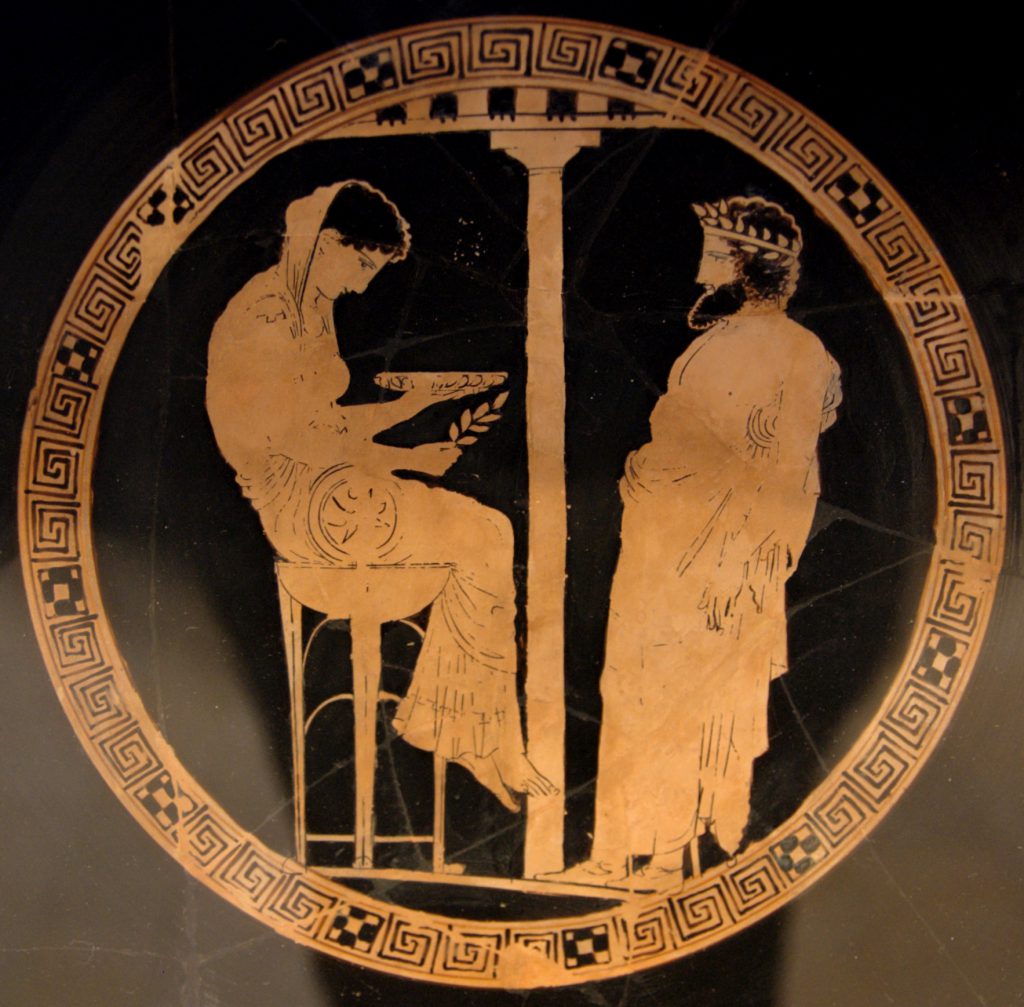
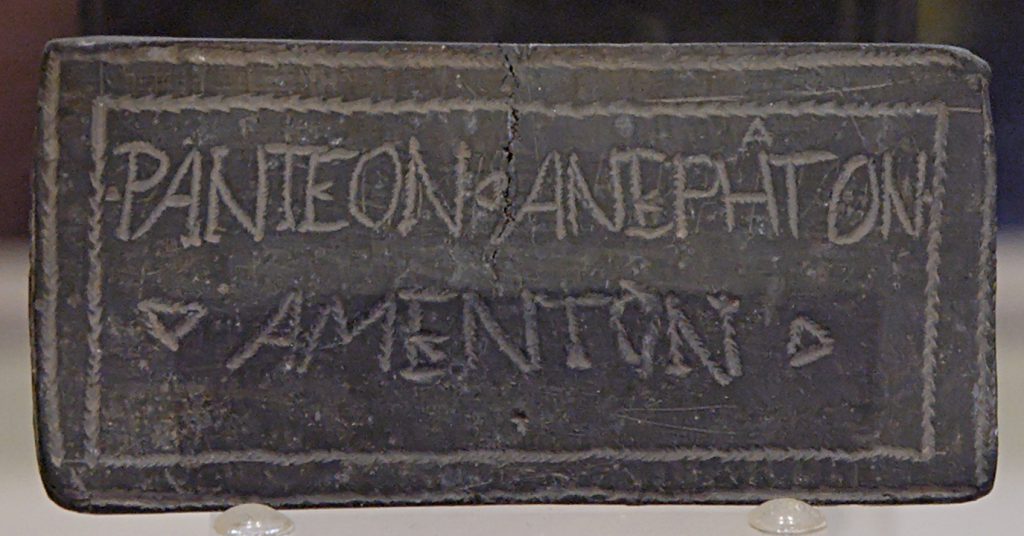
Oreibasios, Arzt und Verfasser einer 72-bändigen, auf den Schriften Galenos beruhenden, medizinischen Enzyklopädie (Συναγωγία ἰατρική, Synagōgía iatrikḗ, „ärztliche Zusammenkunft“) soll im Jahre 362 auf Kaiser Julians Befehl das Orakel besucht haben. Davon berichten der byzantinische Historiker Kedrenos und die spätantike Artemii Passio. Die Phytia weissagte zum letzten Mal und beschied ihm, dass das Orakel nunmehr für immer schweigen müsse:
Εἴπατε τῷ βασιλεῖ, χαμαὶ πέσε δαίδαλος αὐλά, οὐκέτι Φοῖβος ἔχει καλύβην. Οὐμάντιδα δάφνην, οὐ παγὰν λαλέουσαν, πέσβετο καὶ λάλον ὕδωρ.
„Kündet dem Kaiser, gestürzt ist die prunkvolle Halle, Phoibos hat nicht mehr [sein] Haus. Auch nicht den weissagenden Lorbeer noch die murmelnde Quelle; verstummt ist auch das murmelnde Wasser.“
Delphi, seit dem 8. Jahrhundert v. Chr. eines der größten panhellenischen Heiligtümer, das regelmäßig Reisende aus dem gesamten Mittelmeerraum empfing, verlor allmählich seine zentrale religiöse Bedeutung, bis 394 n. Chr. Theodosius I., Kaiser von Rom und Byzanz, auch die Delphischen Spiele als heidnische Veranstaltung verbot.
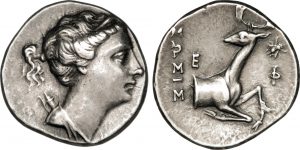
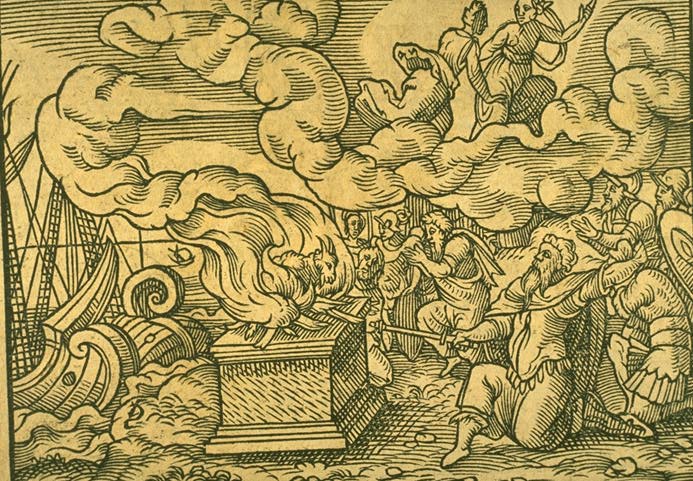
Artemisia absinthium L., Gemeiner Wermut oder auch Wermutkraut (engl. Wormwood, griech. Αρτεμισία το αψίνθιο), hat ihr natürliches Vorkommen in den gemäßigten Regionen Eurasiens sowie in Nordafrika. Obschon die Pflanze auch hierzulande oft anzutreffen ist und sie zu den seit Jahrhunderten in Klostergärten kultivierten Heilkräutern zählt, wird sie aufgrund ihres recht unscheinbaren Äußeren von vielen Waldgängern nicht erkannt. In botanischen Gärten sind die Exemplare durch die Besucher oft komplett abgepflückt und es ist nur noch wenig zu sehen. Wermut bleibt meist von krautigem Wuchs und erreicht Wuchshöhen von ca. 40-60cm, selten über einen Meter. Aus einem waagerecht wachsenden Rhizom gehen die aufrechten, dicht beblätterten Sprossen hervor, die am Grund manchmal verholzen und sich im oberen Bereich mehrfach verzweigen.
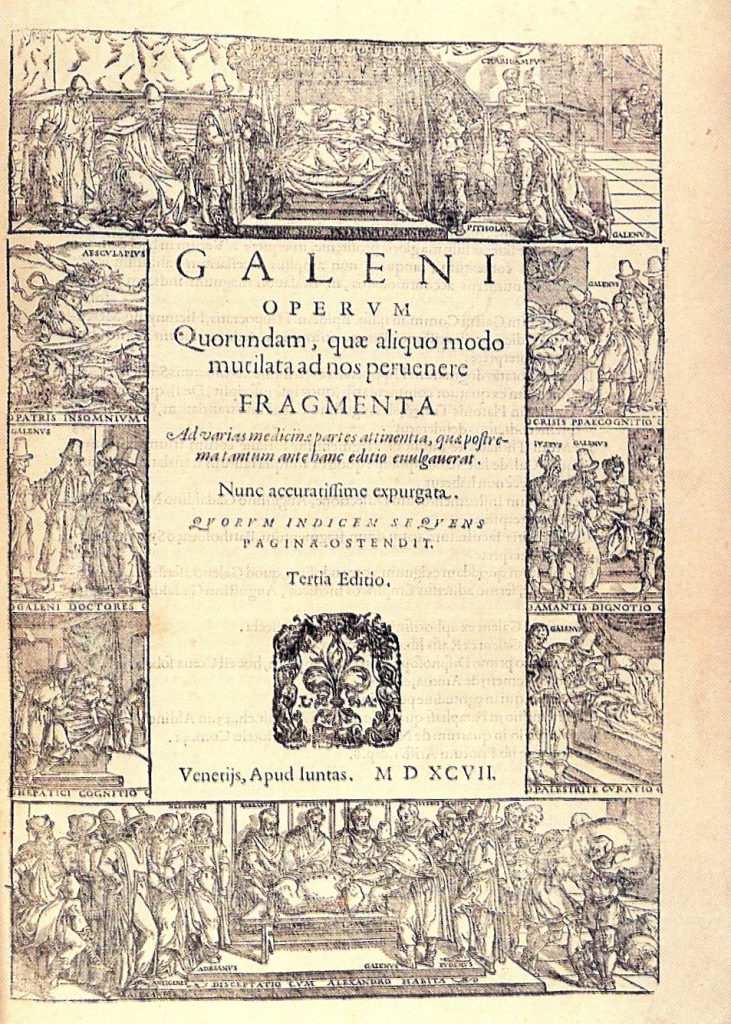
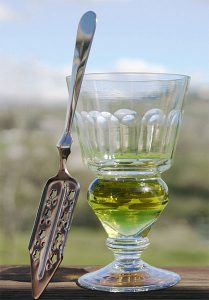
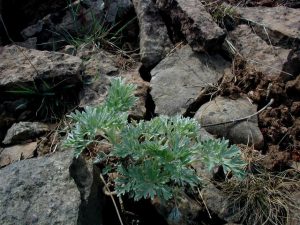
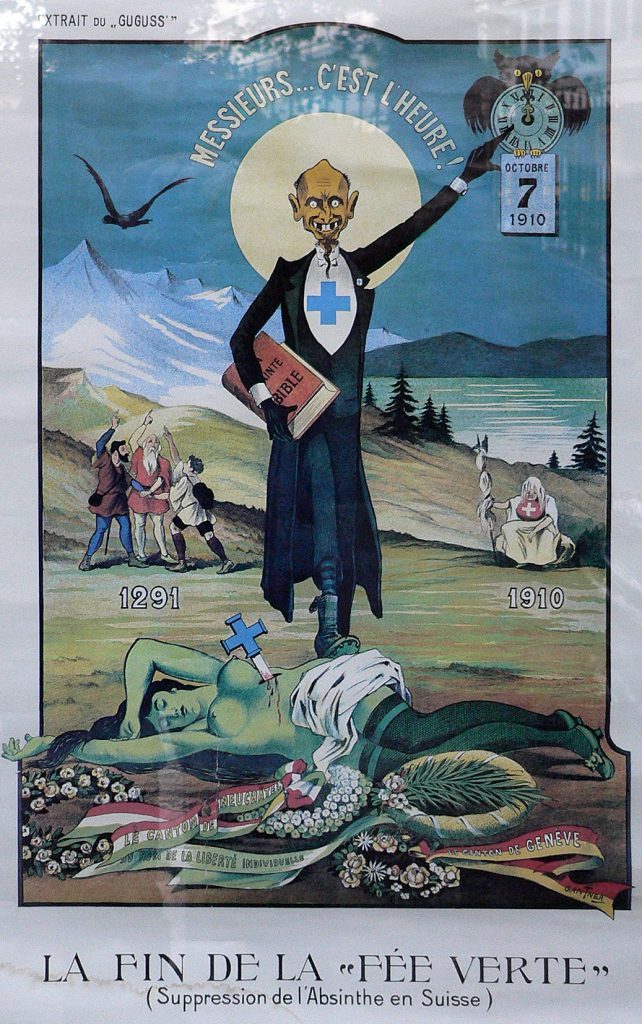
Die Pflanze produziert in hochkonzentrierter Form Bitterstoffe, als Hauptkomponente das Absinthin. Ihre ätherischen Öle enthalten Thujon, das vielen aus den Prozentangabenauf Absinth-Flaschen bekannt sein dürfte und das hauptursächlich verantwortlich gemacht wird für die heilenden und gesundheitsschädlichen Wirkungendes Absinths. Aufgrund der in Deutschland geltenden Grenzwerte für den Thujon- und damit auchden Wermutgehalt in Absinthschnäpsen ist es selbst standfesten Trinkern kaum möglich, ohne einen tiefen Alkoholrausch die psychotropen Effekte des Wermuts zuergründen. Hält man sich aber an die mittelalterlichen Anweisungen zur Räucherprozedur, wie sie das Speyerer Kräuterbuch oder Hildegard von Bingen formulieren, so entfallen die überlagernden Nebeneffekte durch Alkohol.
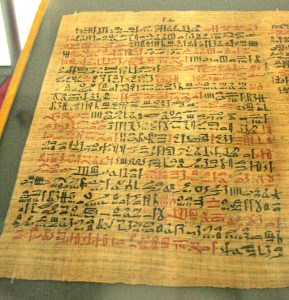
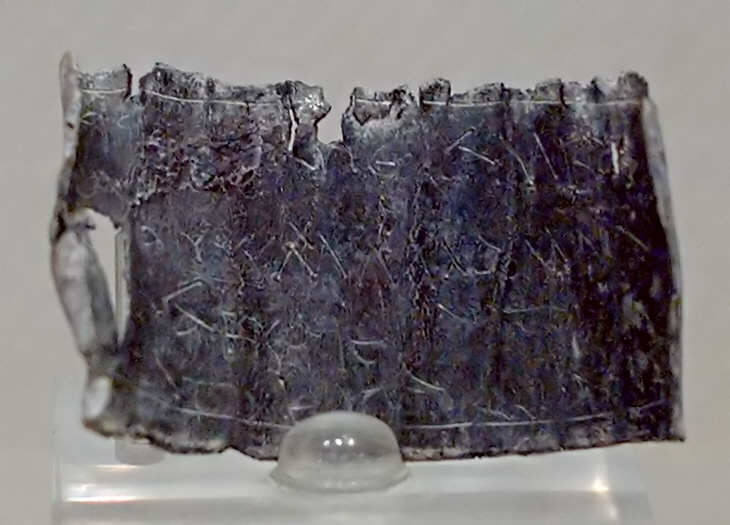
Im Altertum wurde die Wermutpflanze für ein sehr weites Indikationsspektrummedizinisch eingesetzt, so gegen Menstruationsbeschwerden, Leber- und Nierenschäden, Gelbsucht, Verdauungsbeschwerden und vieles andere mehr. Bereits eines der ältesten erhaltenen Schriftstücke der Menschheit, der ägyptische Papyrus Ebers (ca. 1600 v. Chr.), nennt gleich mehrfach den Wermut als medizinisch-magische Pflanze („Somi“ bzw. „Saam“).
Die Autoren der griechischen Antike verweisen häufig auf die ägyptische bzw. kleinasiatisch-griechische kulturelle Verbreitung der Pflanze. Dioskurides berichtet von ihrer rituellen Funktion bei den Ägyptern, Theophrast erzählt von den Schafen am Pontus, die durch das Fressen von Artemisia ihre Galle verlören. In Griechenland war Wermut wohl die wichtigste unter den der Jagd- und Waldgöttin Artemis geweihten Artemisia-Arten, auch wenn bei den griechischen und römischen Autoren nicht immer ganz klar ist, um welche Artemisia-Art es sich handelt und zudem die Etymologie des Pflanzennamens nicht eindeutig geklärt werden kann.
Artemis, die Zwillingsschwester des Apollon und die Tochter der Leto gehörte zu den 12 ursprünglichen olympischen Gottheiten. Bei ihrer Geburt auf Delos duftete der Sage nach die gesamte Insel und Schwäne umkreisten den Ort. Als jungfräulich-nymphenhafte und gleichzeitig auch fruchtbringende Gestalt ist Artemis insbesondere assoziiert mit den Anwendungsgebieten des Wermuts in den medizinisch-mythologischen Bereichen der Menstruation, Schwangerschaft und Geburt. Ihre Lieblingstiere sind der Hirsch, der Eber und der Wolf.
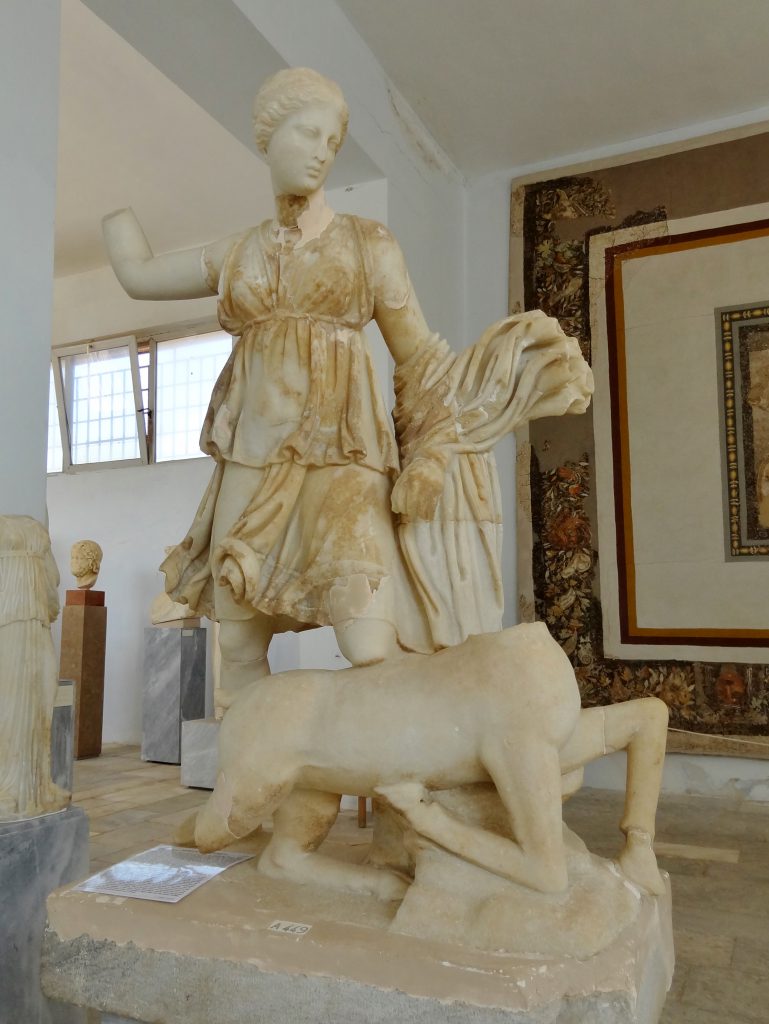
In ihrer Rolle als Beschützerin der jungen Mädchen (arktoi genannt, d.h. „Bärinnen“) entwickelt Artemisia auch Unglück bringende Qualitäten. Den Jäger Aktaion verwandelt sie strafend in einen Hirsch, als er sie und die mit ihr wandelnden Nymphen indiskret beim Bade überrascht; Aktaion wird daraufhin von seinen 50 Hunden zerrissen, die ihn in Tiergestalt nicht mehr erkennen können. Auf diese Weise ist Artemisia – und mit ihr der Absinth – mit Zauberformeln und Verwünschungen verbunden.
Der für die nachantike, sowohl islamische wie auch christliche Weiterführung der griechisch-römischen Kräuterrezepturen wichtigste Mediziner und Pharmakologe ist Galenos von Pergamon. In seinen humoralpathologischen Erörterungen geht er von vier Elementen in der Natur, vier Säften im menschlichen Körper und vier Qualitäten der heilenden Substanzen aus. Dem Wermut schreibt er die Qualität warm und trocken zu und als Sekundärqualität die Bitterkeit. Diese therapeutische Einschätzung des Wermutkrauts wird dann im Mittelalter übernommen, u.a. durch Hildegard von Bingen, Konrad von Megenberg und den italienischen Kräutergelehrten Pierre Andrea Mattioli.
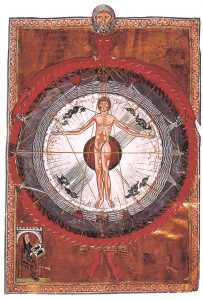
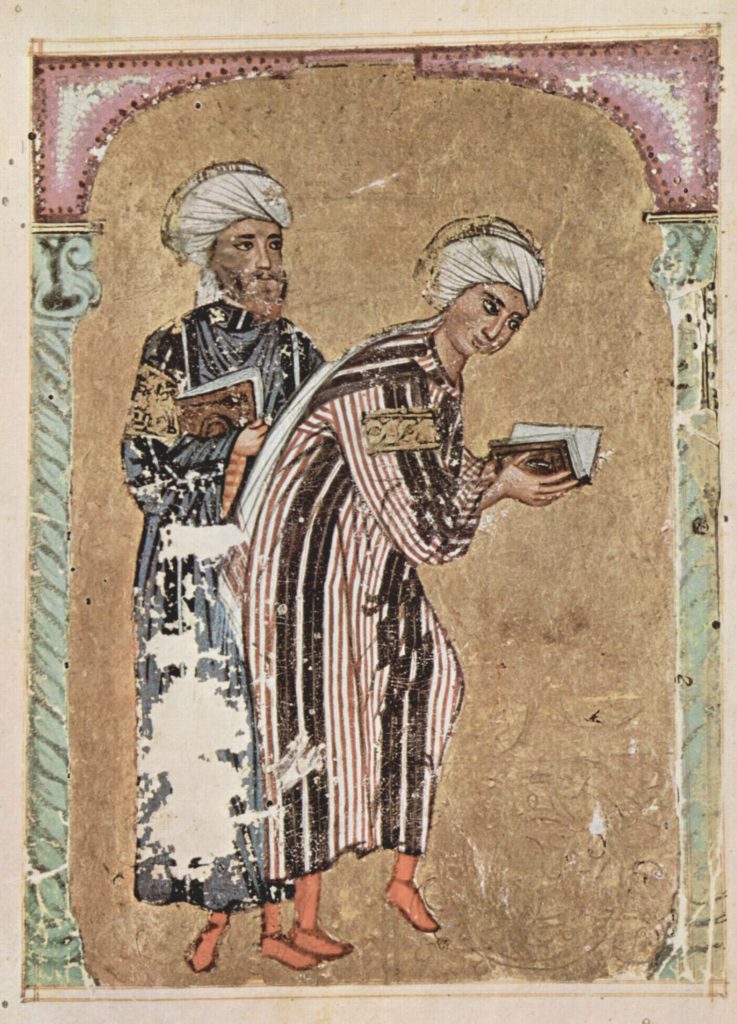
In Hildegard von Bingens medizinischer Kräuterkunde nimmt der Wermut eine zentrale Stelle ein, geradezu die einer klassischen Universalmedizin. Sie verband dabei die Volksmedizin mit den Anweisungen aus der griechisch-römischen Antike bzw. den im 9. Jahrhundert durch arabische Gelehrte angefertigten Übersetzungen der alten Texte. Viele Jahrhunderte bevor man im spätnachmittäglichen Paris von der „l’heure del’absinthe“ zu sprechen begann, wurde das Kraut bereits alkoholischen Getränken zugefügt. Hildegard und das Speyerer Kräuterbuch geben Anweisungen zu Wermut-Tränken, -Salben, -Pflastern, -Umschlägen – und Räucherungen. Darüber hinaus empfiehlt sie es gegen Hexen und Dämonen als wirksames Mittel. Nicht nur im Rheinland, auch im Heimatland der Göttin Artemisia, in Griechenland, erhielt sich eine medizinisch-spirituelle Verbindung zu der geweihten Pflanze.
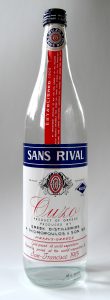
Als zu Beginn des letzten Jahrhunderts die Hinzufügung von Artemisia absinthium bei der Schnapsbrennerei auch in Griechenland eingeschränkt wurde, verschaffte das dem Ouzo einen großen Auftrieb (ähnlich wie beim Pastis in Frankreich). Man sprach damals von „Absinth ohne Wermut“.
Zu den Künstlern
Katerina Fotinaki (Sängerin, Liedermacherin)
studierte klassische Literatur an der Universität von Athen und Gesangstechnik am Institut of Vocal Arts mit dem Bariton Spyros Sakkas. Sie ist die künstlerische Leiterin von etlichen Projekten in Griechenland und erhielt viele Preise in Kompositionswettbewerben. 2006 zog Katerina nach Paris, eingeladen von der Komponistin Angelique Ionatos, und kreierte mit ihr drei verschiedene Shows sowie eine CD /DVD ihrer Duette. Katerina war viele Jahre Stipendiatin von „Cité des Arts“. Im Jahr 2011 gewann sie den 1. Preis für den National Songwriting Contest in Athen und begann ihre solodiskografische Karriere mit der CD Tzitzikia (Accords Croisés /Harmonia Mundi), die von der französischen Presse mit großer Begeisterung aufgenommen wurde (eine fff-Bewertung von Télérama Musik Magazine, 4. beste CD des Jahres 2014 für Le Monde). Neben griechischer Musik und Poesie studierte Katerina Fotinaki zeitgenössische Musik mit dem Komponisten Bernard Cavanna am Gennevilliers Konservatorium. Seit 2014 unterrichtet sie am Nationaltheater Nordgriechenland.
Evi Filippou (Perkussionen)
begann im Alter von 7 Jahren Schlagzeugunterricht zu nehmen. Sie spielte u.a. mit dem Bolshoi-Ballet Orchestra, dem Cyprus Symphony Orchestra und dem Orchester des Konzerthauses Berlin. Evi ist ein Gründungsmitglied des Opera Lab Berlin, ein unabhängiges Ensemble, welches sich im Musiktheater spezialisiert hat, und mit dem Evi ein Stück von Salvatore Sciarrino in der Staatsoper Berlin uraufführte. 2015 trat sie als Solistin in der Serie Welcome young Artists! in Athen auf. Zusammen mit dem Saxophonisten Hayden Chisholm spielte Evi Filippou 2016 das Duo-Album Blowslap ein.