Deutsch
Ein olfaktorisches Konzert – 2. April 2017, 21 Uhr (Einlass 20 Uhr) – Mit Arkady Shilkloper (Waldhorn, Alphorn, Flügelhorn) und Vadim Neselovskyi (Klavier, Melodica) – Fabio Dondero und Dominik Breider (Incense burning): Birke (Deutschland) und Bernstein (Lettland) – Palais im Roten Salon in der Volksbuehne, Berlin, LINK VOLKSBUEHNE
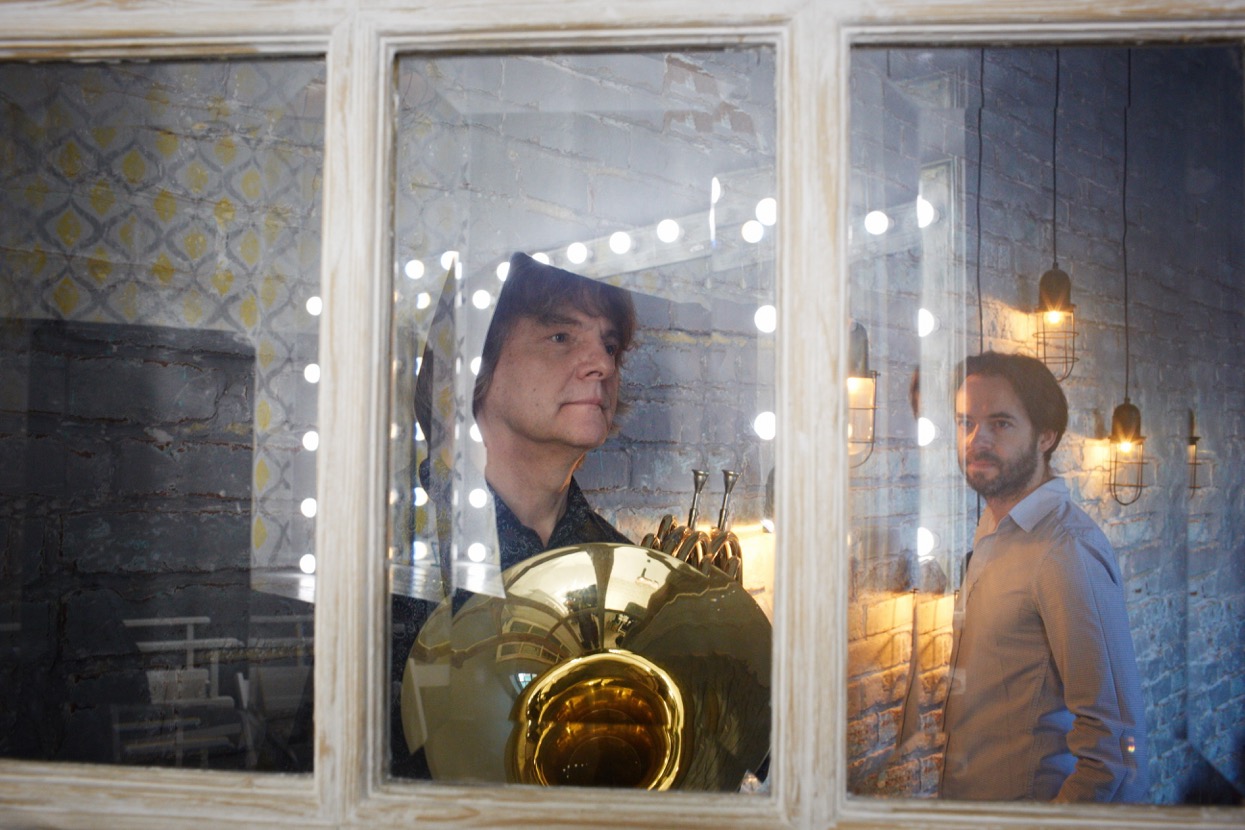
Arkady Shilkloper und Vadim Neselovskyi bilden bereits seit mehreren Jahren ein für Jazzverhältnisse ungewöhnliches Duo. Horn und Klavier, diese kammermusikalische Besetzung, die bewusst auf jegliche Ryhthmusunterstützung wie z.B. Bass oder Schlagzeug verzichtet, zeichnet eine sehr eigenwillige Musikalität aus, die sich aus verschiedensten Einflüssen nährt: europäische Klassik, russische und ukrainische Folklore, Jazz, u.v.m.. Die Zusammenarbeit der beiden Ausnahmekünstler hat bereits zwei CD’s hervorgebracht: Krai (2013) und Last Snow (2014).
Simultan zum Konzert werden Birke und Bernstein verräuchert.
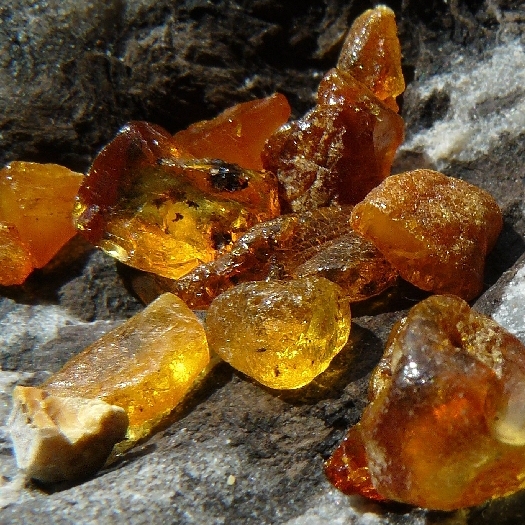
Bernstein (aus mittelniederdeutsch: Börnesteen, d.h. „Brennstein“) ist ein fossiles Harz, welches von einer ausgestorbenen, bis heute nicht identifizierten Pflanzenart stammt. Die bei weitem häufigste Bernsteinart ist das Succinit, von dem es im Baltikum nach einer Schätzung noch mehr als 640.000 t geben soll.
Seit Jahrtausenden wurde Bernstein im Ostseeraum zu Schmuck verarbeitet oder als Rohstoff in die Kulturen des Mittelmeerraums exportiert. In Ägypten fand man über 6000 Jahre alte kunsthandwerkliche Gegenstände aus baltischem Bernstein. Kaiser Nero verbrauchte es in Massen. Ebenso wie noch heute in Indien und in den Ritualen der Sufis wurde Succinit aufgrund seiner wohlriechenden ätherischen Öle auch verräuchert.
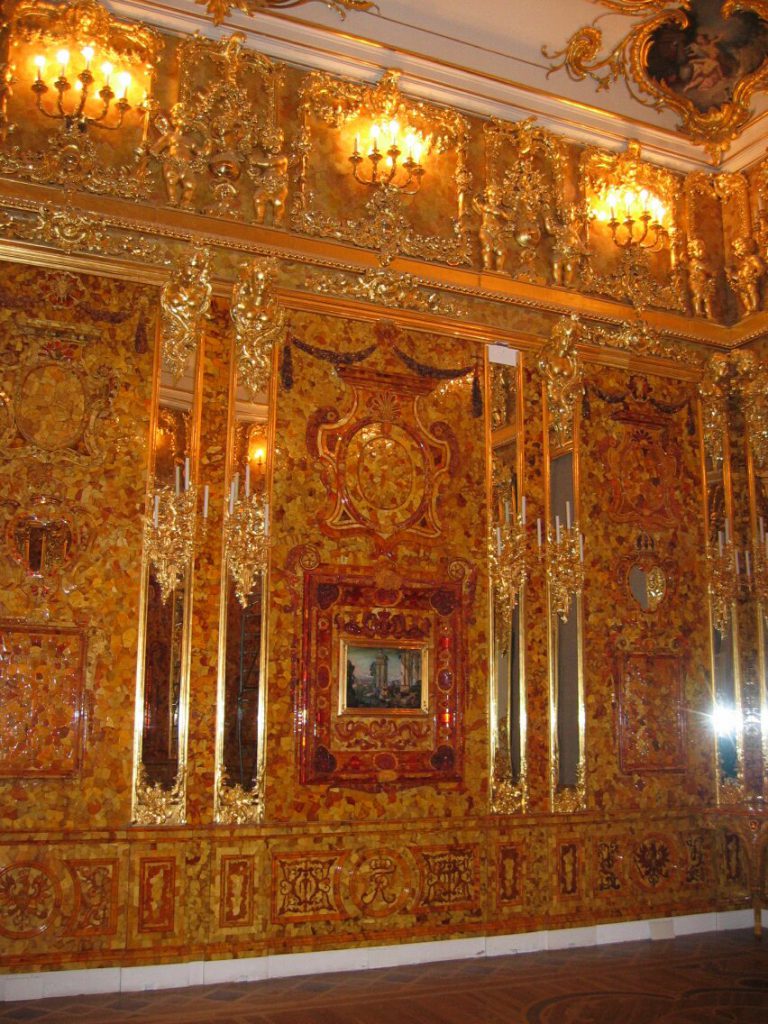
Schon Aristoteles vermutet eine pflanzliche Herkunft. Aber erst Mitte des 18. Jahrhunderts gelingt dem russischen Gelehrten W. Lomonossow der wissenschaftliche Nachweis des Bernsteins als fossiles Baumharz.
Durch Reibung lädt sich Bernstein elektrostatisch auf und wurde daher schon in der Antike zur Reinigung der Luft von Staubteilchen eingesetzt. Das altgriechische Wort für Bernstein ist ḗlektron (ἤλεκτρον, übersetzt etwa: „hellgold“) und der Namensgeber für unser Wort Elektrizität. Die Ostseeinseln, von denen aus die alten Bernsteinstraßen nach Süden zogen, nannte man in Griechenland die „Elektriden“.
Seine außergewöhnlichen Eigenschaften – Brennbarkeit, Lichtdurchlässigkeit (in poliertem Zustand), Elektrostatik, Färbung – prädisponierten das Succinit in vielen Kulturen zu einem mythischen Stein, dem Gold des Nordens, Tränen der Heliaden, Bernsteinschloss in der litauischen Geschichte um Jūratė und Kastytis.
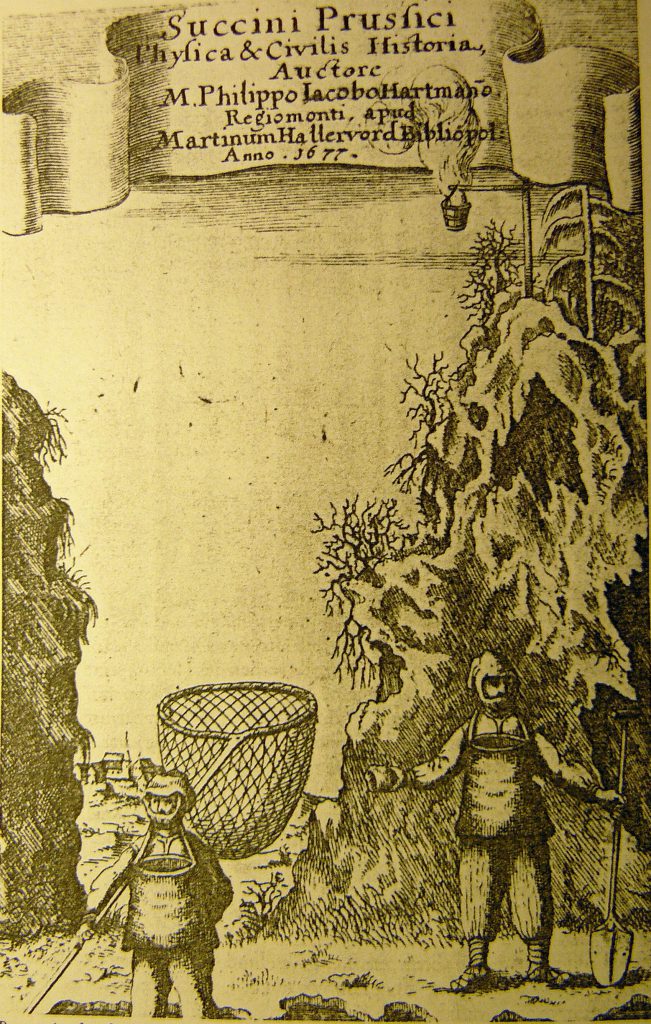
Darüber hinaus enthält Bernstein oftmals Inklusen ausgestorbener Tier- und Pflanzenarten (etwa 4500 pro Tonne im Bitterfelder Succinit), die – von Martial bis zu Jurassic Park – schon immer die wissenschaftliche und poetische Phantasie anregten.
„Der Bernstein birgt und zeigt die Biene doch darbey;
Es scheint ob sie bedeckt durch ihren Honig sey.
Sie hätte nicht gekundt ein schöners Grab erwerben,
Vermuthlich hat sie hier gewündscht also zu sterben.“
(Martial: De ape electro inclusa – Auf eine Bien im Bernstein verschlossen)
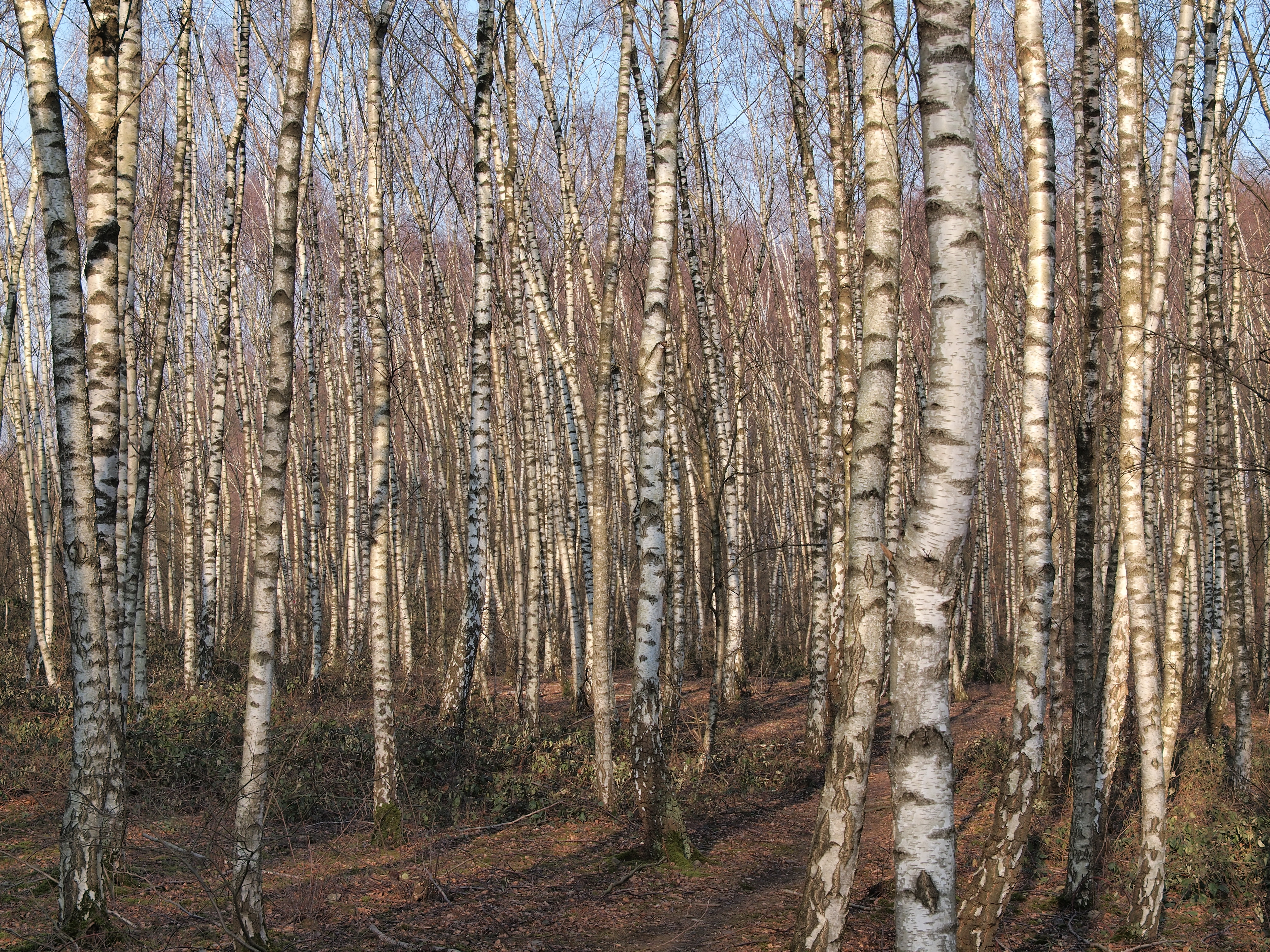
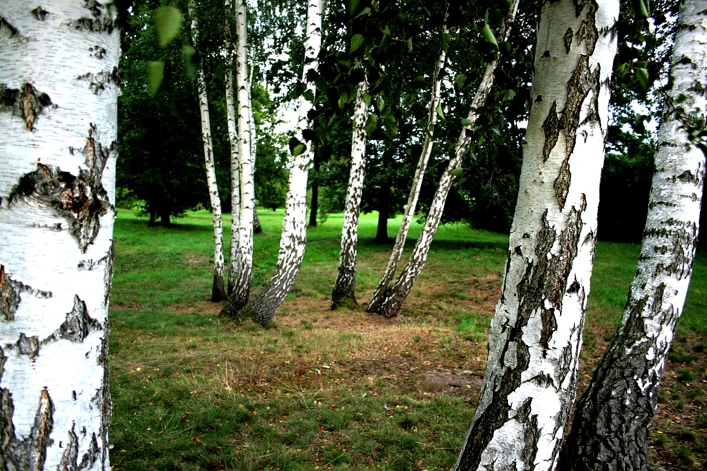
Die Birke (Betula) bildet eine eigene Pflanzengattung, deren ca. 100 Arten auf der Nordhalbkugel – von Europa über Russland und Asien bis Japan und Nordamerika vorkommen. Birken sind oft Pionierpflanzen und gedeihen sowohl auf trockenen wie nassen Böden, in Heidegebieten, auf Dünen wie auf Moor – sogar auf Häusern und Ruinen. Neben Espe und Kiefer gehörten sie zu den ersten Bäumen, die nach der letzten Eiszeit Wälder bildeten.
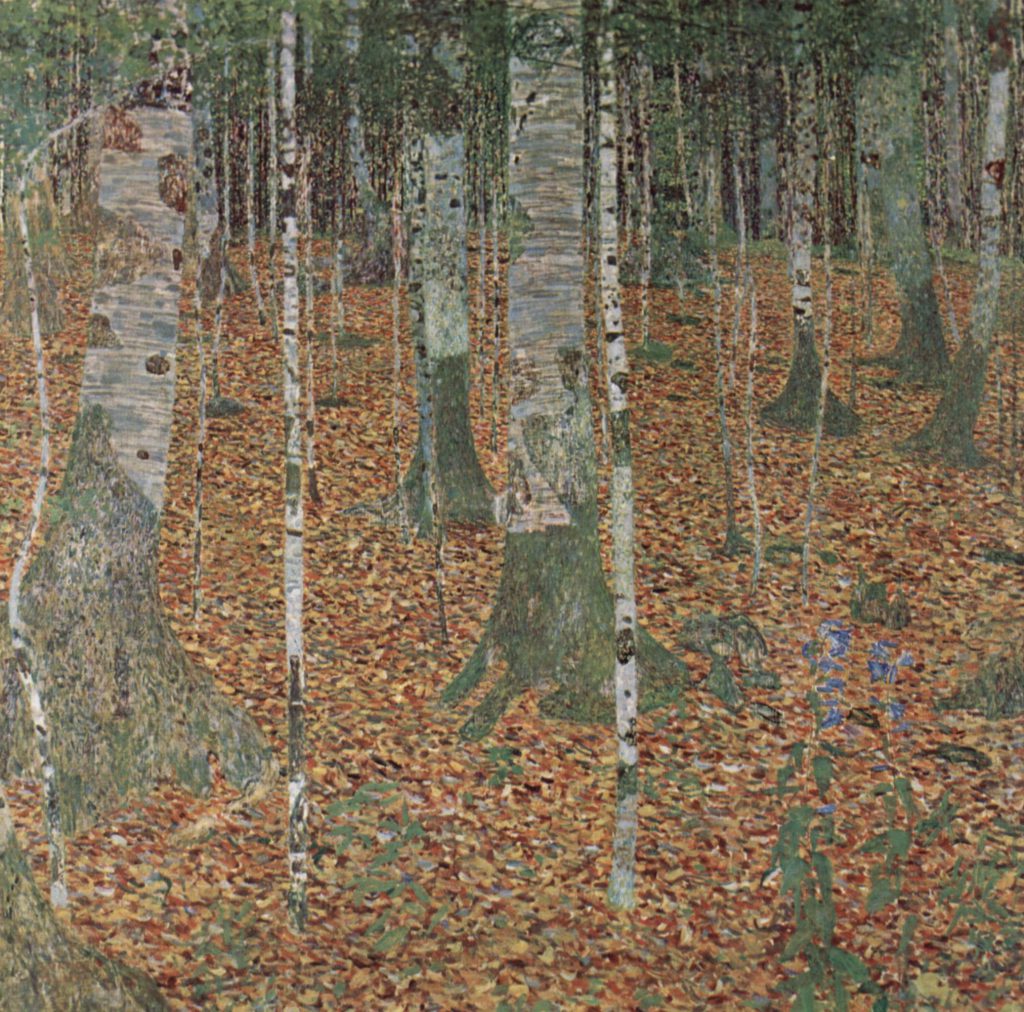
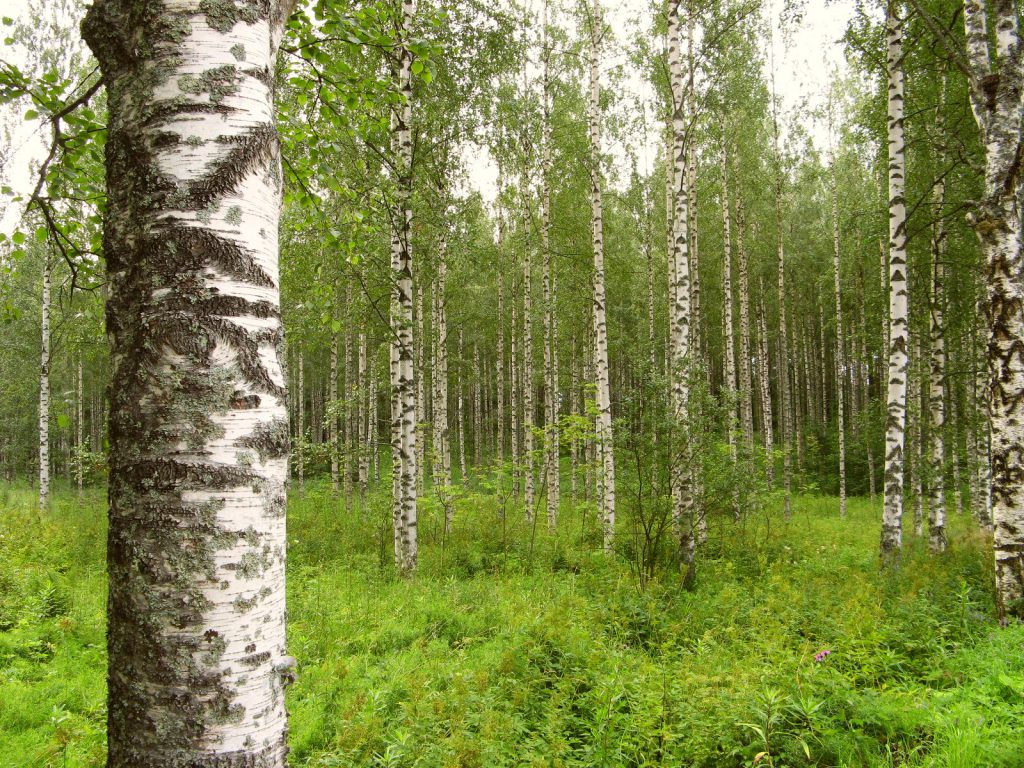
Bis heute ist die Birke ein Baum, der im magischen wie alltäglichen Leben fast überall in Gebrauch geblieben ist: als klassischer Maibaum und bei Fronleichnamsprozessionen, zur Herstellung von Besen und Birkenpech, als Schutzbaum insbesondere zur Markierung unfallträchtiger, unbeleuchteter Kurven, da Birkenrinde auch bei einbrechender Dunkelheit gut zu sehen ist, als Symbol der Fruchtbarkeit und unverzichtbares Ingredienz sexual-magischer Praktiken des Mittelalters, zur Herstellung antiseptischer Brotboxen und zur Selbstkasteiung in der Sauna. Neuerdings wieder beliebter wird auch der hocheffektive kariesabtötende Birkenzucker Xylit in der Zahnheilkunde. Der untere Teil der Birkenrinde ist sogar essbar und kann wie Spaghetti zubereitet werden.
„Die birke ist ein baum der freude und der weidenden schäfer, mit deren laub sie sich schmücken, in deren schatten sie lagern, in deren weisze, weiche rinde sie namen einschneiden.“
(Deutsches Wörterbuch der Gebrüder Grimm)
Arkady Shilkloper, (Horn)
Multinstrumentalist (Waldhorn, Flügelhorn, Alphorn und andere). Ehemaliges Mitglied des Bolshoiorchester und der Moskauer Philharmoniker. Wendet sich Anfang der 80er Jahre zum Jazz hin, gründet 1990 zusammen mit Michail Alperin und Sergey Starostin das Moscow Art Trio. Konzerte und Aufnahmen u.a. mit Vienna Art Orchestra, Rabih Abouh- Khalil, Sergey Letov, Elvin Jones, Christian Muthspiel, Vadim Neselovsky, Sergey Nakariakov und vielen anderen. Shilkloper tritt regelmässig auch als Solist mit Orchestern auf. Er lebt in Berlin.
Vadim Neselovskyi (1977) ist ein ukrainischer Jazzpianist, Komponist und Hochschullehrer. Vadim Neselovskyi besuchte das Konservatorium in Odessa. 1995 kam er als jüdischer Kontingentflüchtling nach Unna-Massen und erwarb den Bachelor an der Hochschule für Musik Detmold. Nach dem Diplom am Berklee College of Music erwarb er den Master am Thelonious Monk Institute in New Orleans. Er arbeitete u. a. seit Mitte der 2000er-Jahre mit Gary Burton (Next Generation) und Christian Finger; 2009 nahmen ihn Herbie Hancock und Dee Dee Bridgewater mit auf eine Tour durch Indien. 2007 legte er sein Debütalbum Spring Song mit Eigenkompositionen vor, an dem die holländische Sängerin Vera Westera mitwirkte. 2011 entstand in Stamford sein Soloalbum Music for September (Sunnyside Records). 2013 spielt er im Trio Bez Granitz mit Bodek Janke (Schlagzeug) und Alexander Morsey (Bass); 2014 war er mit Jeff Denson auf Tournee. Neselovskyi ist Assistant Professor am Berklee College of Music.