
 Deutsch
Incense of Music Nr. 21 – Ein olfaktorisches Konzert – 13. Oktober 2017, 19:00 Uhr – PEOPLE OF THE WIND – James Wylie: Saxophon; Fausto Sierakowski: Saxophon; Alexandros Rizopoulos: Perkussionen + Evi Filippou: Perkussionen – Fabio Dondero und Dominik Breider (Incense burning): Sandelholz und amerikanische Zeder. Biergarten Jockel, Ratiborstrasse 14c, 10999 Berlin
Wir freuen uns das Konzert Nr. 21 von Incense of Music anzukündigen, diesmal im Biergarten Sockel in Kreuzberg: ein Doppelprogramm mit grossartigen Künstler, die Musik aus Süd Europa/ dem Mittleren Osten und Jazzimprovisationen präsentieren werden. Wie üblich werden wir dabei exzellente Pflanzen räuchern, diesmal Sandelholz und amerikanische Zeder.
PEOPLE OF THE WIND
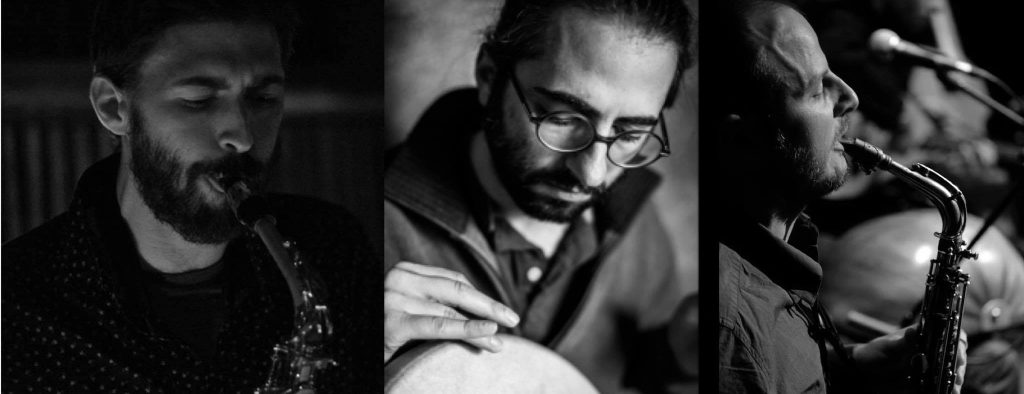
Die Saxophonisten Fausto Sierakowski (Frankreich) und James Wylie (Neuseeland) gründeten zusammen mit dem Perkussionisten Alexandros Rizopoulos (Griechenland) das Trio People of the Wind in Thessaloniki im Jahr 2016, um die musikalischen Traditionen des Balkans und des Nahen Ostens mit ihrem primären Instrument zu interpretieren, das Saxophon. Die Anpassung der musikalischen Sprachen des Ostens an ein westliches Instrument wie das Saxophon ist die Frucht ihrer Leidenschaft für diese Klänge. Die Musiker, fasziniert von dieser Musik und ihren traditionellen Gesellschaften, stellen mit ihrer Bearbeitung eine Frage im Raum: was ist die Rolle der Musik in unseren jeweiligen Kulturen? Mit einem sich ständig weiterentwickelnden Repertoire konzentriert sich dieses Konzert auf Musik, die vom Duo von Daouli (Perkussionen) und Zurna (Trichteroboe) inspiriert ist. Diese Instrumentierung findet man in traditionellen Zeremonien von Griechenland bis Iran. Dieses Repertoire zielt nicht nur darauf ab, Anpassungen von traditionellen Stücken vorzustellen, möchte darüber hinaus auch andere traditionelle Melodien und Originalkompositionen mit dieser Instrumentierung neu interpretieren, und dabei hoffen, unser eigenes musikalisches Erbe zu konfrontieren, zu bereichern und zu erneuern.
James Wylie wuchs in Wellington auf, studierte bis 2010 Jazz Saxophone am New England Conservatory in Boston bevor er 2011 nach Berlin zog. Er trat mit Anthony Coleman, Gunther Schuller, Hayden Chisholm, Max Andrzejewski, Thimios Atzakas, Antonis Anissegos, Michalis Siganidis, Elias Stemeseder, Sam Rivers, Wayne Shorter, Jonathan Crayford, Matthias Bauer, Jorrit Djikstra, Anna Webber, Bob Moses und Cecil McBee auf und wirkte bei mehreren CD Aufnahmen mit. Seit 2012 lebt er in Thessaloniki, wo er die Musik Griechenlands, des Irans, der Türkei und des Nahen Ostens studiert. Er spielt die Lyra und die iranische Kamancheh. Mit dem ‘Ziad Rajab Trio’ trat er 2015 beim Musikfestival in Moers und dem Salzburger Jazz Festival auf. In Rom spielte er beim Errichetta Festival (2016) mit seinem Ensemble ‘Lost Cities’, für das er selbst die Musik komponiert.
Fausto Sierakowski, in Paris geboren, in Rom aufgewachsen, studierte ab 2010 Contemporary Improvisation am New England Conservatory bevor er 2014 nach Berlin zog. Er trat mit Musikern wie Matt Moran, Anthony Coleman, Joe Morris, Tom Rainey, Satoshi Takeshi, Hayden Chisholm und Axel Dörner auf und wirkte bei einigen Studioaufnahmen mit. Seit 2016 studiert er in Griechenland bei Evgenios Voulgaris klassische, osmanische Musik. Er ist weiterhin Organisator des Errichetta Festivals (Rom).
Alexandros Rizopoulos (1982, Ioanina, Grecia) ist ein griechischer Schlagzeuger. Er studierte mit Zohar Fresco, Nikos Vargiamidis, Elias Papadopoulos und Sokratis Sinopoulos an der Makedonia Universität in Thessaloniki. Neben der akademischen Ausbildung hat er mit renommierten Familien traditioneller Musiker aus ganz Griechenland gelernt und aufgeführt. Er hat mit seinen eigenen Projekten (Motel Selenik, Motivasyon, Alenti Trio, Zurlia Trio, Marakaibo und Lizeta Kalimeri) in der Türkei, Spanien, Serbien, Italien, Holland, Frankreich, Ungarn, Brasilien und in den bedeutendsten Konzerthallen Griechenlands gespielt.
Evi Filippou
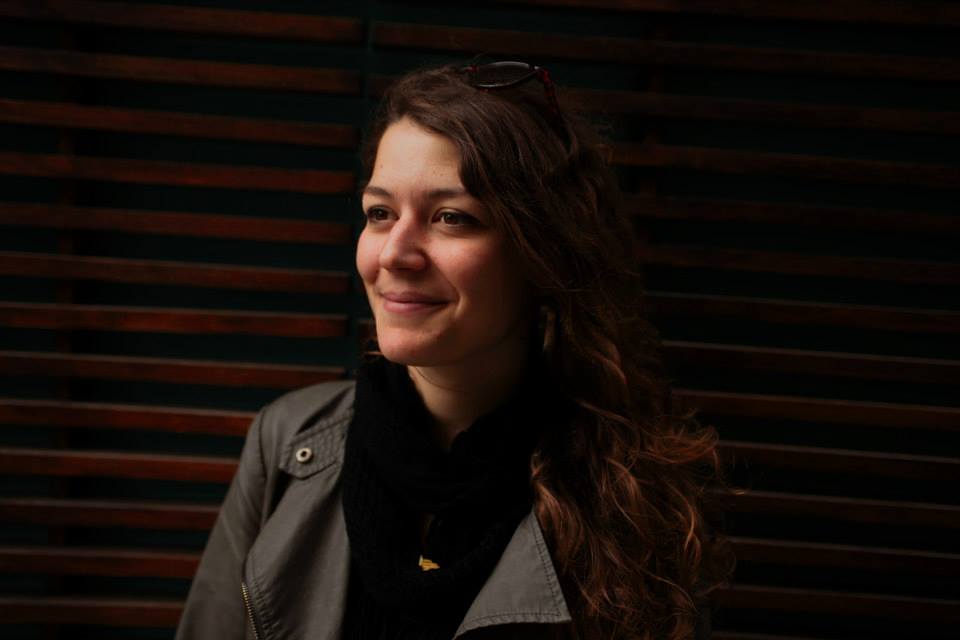
Evi Filippou begann im Alter von 7 Jahren Schlagzeugunterricht zu nehmen. Im Jahr 2009 gab sie ihr erstes Konzert in Athen mit einem Stipendium der Freunde der Musik. Zwei Jahre später schloss sie mit einem ersten Preis und zog nach Berlin, um ihr Bachelor-Studium an der Hochschule für Musik Hanns Eisler zu starten. Sie spielte u.a. mit dem Bolshoi-Ballet Orchestra, dem Cyprus Symphony Orchestra und dem Orchester des Konzerthauses Berlin. Evi ist ein Gründungsmitglied des Opera Lab Berlin, ein unabhängiges Ensemble, welches sich im Musiktheater spezialisiert hat, und mit dem Evi ein Stück von Salvatore Sciarrino in der Staatsoper Berlin uraufgeführt hat. Im Jahr 2015 hat sie ein Solokonzert in der Serie Welcome young Artists! in Athen gespielt. Zusammen mit dem Saxophonisten Hayden Chisholm gründete sie ein Duo, das zeitgenössische sowie Originalkompositionen spielt. Sie treten damit auf der ganzen Welt auf und haben soeben ihr Duo Album Blowslap aufgenommen. Evi spielt auch in vielen Pop-, Jazz- und Theaterprojekten mit.
SANDELHOLZ

Der Sandelholzbaum (Santalum album) ist eine Pflanzenart innerhalb der Familie der Sandelholzgewächse (Santalaceae).Das ursprüngliche Verbreitungsgebiet dieses Halbschmarotzers ist nicht sicher bekannt. Der Sandelholzbaum wird in vielen tropischen Gebieten angebaut und vielseitig genutzt. Der Sandelholzbaum wächst als immergrüner, kleiner Baum, der Wuchshöhen in Australien von bis zu 4 Metern und in Indien von bis zu 20 Metern erreicht. Der zylindrische Stamm kann einen Umfang von über 1,5 Metern erreichen. Das natürliche Verbreitungsgebiet von Santalum album reicht nach Angaben der IUCN von Indien (Karnataka, Tamil Nadu) über China und den Philippinen bis zu den Kleinen Sundainseln. Santalum album gedeiht im natürlichen Verbreitungsgebiet weit verstreut in laubabwerfenden Trockenwäldern. Anbaugebiete des Sandelholzbaumes gibt es heute in vielen tropischen Gebieten, beispielsweise auf Sri Lanka, im südlichen Indien, in China, Taiwan, Australien und Indonesien. Das Sandelholz ist hoch geschätzt für seinen Duft und wird zur Herstellung von Parfüms und Kosmetika verwendet. Aus dem Kernholz wird das Sandelholzöl destilliert. Das Holz wird für Schnitzarbeiten geschätzt. Ein ätherisches Öl wird aus den unterirdischen Pflanzenteilen und dem Kernholz extrahiert. Sandelholzöl wird in Parfüms, Kosmetika, Seifen und für medizinischen Anwendungen verwendet. Holzspäne dienen als Räuchermittel. Das Kernholz findet wegen des enthaltenen Sandelholzöls zur Parfümherstellung und als Räuchermittel für religiöse Zeremonien Verwendung. Hauptproduzent des Sandelholzes ist Indien. Infolge des Raubbaues sind die Preise für das Holz zwischen 1990 und 2009 von 3800 Euro pro Tonne auf 85000 Euro gestiegen.
Weihrauchzeder
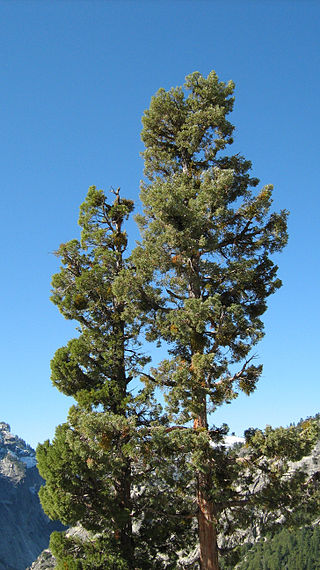 Die Weihrauchzeder, Kalifornische Weihrauchzeder oder Kalifornische Flusszeder (Calocedrus decurrens) bildet eine der vier Arten der Gattung der Weihrauchzedern (Calocedrus). Kennzeichen dieser Art sind die aus sechs Schuppen aufgebauten, länglichen, einjährigen Zapfen, die Thujen-ähnlichen Zweige und die orangefarbene, längsrissige Borke älterer Bäume. Die Weihrauchzeder fällt durch mächtige, säulenartige Stämme auf, im Freistand zudem durch schmale, bis zum Boden reichende dichte Kronen. Das natürliche Verbreitungsgebiet umfasst die US-amerikanischen Bundesstaaten Kalifornien und Oregon sowie den mexikanischen Bundesstaat Baja California. Die Weihrauchzeder ist in den Vereinigten Staaten Hauptlieferant für Holz, das zur Herstellung von Bleistiften verwendet wird. Die Weihrauchzeder ist ein immergrüner Baum und erreicht Wuchshöhen von 60 und mehr Metern, als Maximum werden 69 Meter angegeben. In großen Höhenlagen bleiben die Bäume klein oder wachsen strauchartig. Die Weihrauchzeder erreicht ein hohes Alter von 300 bis 500 Jahren, auch ältere Bäume mit einem Alter bis 1000 Jahre sind belegt. Sie zählt jedoch zu den eher langsam wachsenden Bäumen.