Deutsch
Petitgrain (Citrus aurantium)
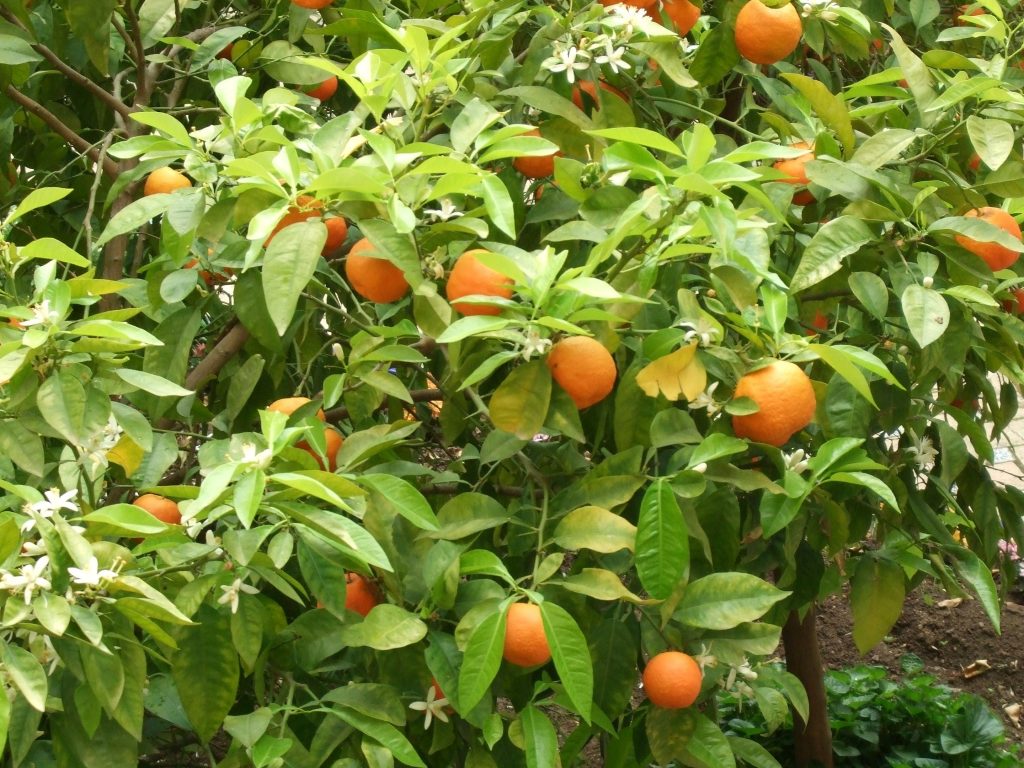
Petitgrain is an essential oil obtained through steam distillation of the leaves and green twigs of the bitter orange tree (Citrus aurantium ssp. amara). Unlike neroli oil, distilled from the blossoms of the same tree, or bitter orange oil, pressed from the fruit's rind, petitgrain comes exclusively from the green foliage. The most common commercial grade, "petitgrain bigarade," is obtained from the bitter orange; rarer variants such as petitgrain citronnier (from lemon) or petitgrain mandarine (from mandarin) play a far smaller role in perfumery. Its main production regions today are Paraguay and France. In trade, a further distinction is often made between the greener, more herbaceous Paraguayan petitgrain and the finer, more floral French petitgrain, produced chiefly in Provence.
The name derives from the French "petit grain" — "little grain" — referring to an older distillation method that used the tree's small, unripe fruits, before the current practice of distilling leaves and twigs instead took over. In the perfumery of the southern French town of Grasse, petitgrain has long been valued as a more economical alternative to precious neroli oil, with a related but distinct character of its own, and found wide use as an affordable raw material in classic men's fragrances and eau de colognes such as the legendary 4711. Practically speaking, the oil is mostly obtained as a byproduct of the routine pruning of bitter orange plantations, which makes petitgrain unusually resource-efficient compared with many other fragrance raw materials. Perfumery treatises as early as the 18th century already distinguished it explicitly from the costlier neroli oil.
Burned as incense, petitgrain releases a green, woody-orange scent with a subtle, slightly bitter freshness — more restrained and less sweetly floral than neroli, but more grounding. It is valued for its balanced interplay of calm and clarity, and is used in modern aromatherapy for stress relief without a sedating effect. This very balance is precisely what makes petitgrain popular today in "clean," understated unisex compositions as well. Anyone who finds neroli too intense often discovers in petitgrain a gentler, equally versatile alternative from the very same botanical family. Petitgrain thus remains a versatile, grounding companion for everyday incense use.
Used in the following concerts