
 Deutsch
Ein multisensorisches Konzert – 13. Januar 2018, 20 Uhr – Arkady Shilkloper: Waldhorn, Flügelhorn, Alphorn, Muschelhorn – Alexandra Goloborodko und Alexandra Yurieva-Civjane (International Cultural Project Butterbrot): Konzept, Installation und Performance “The Forest of Symbols” – Fabio Dondero und Dominik Breider (Incense burning): Nordtanne und Fichtenharz. Vinogradov Galerie: Chodowieckistr. 25, 10405 Berlin
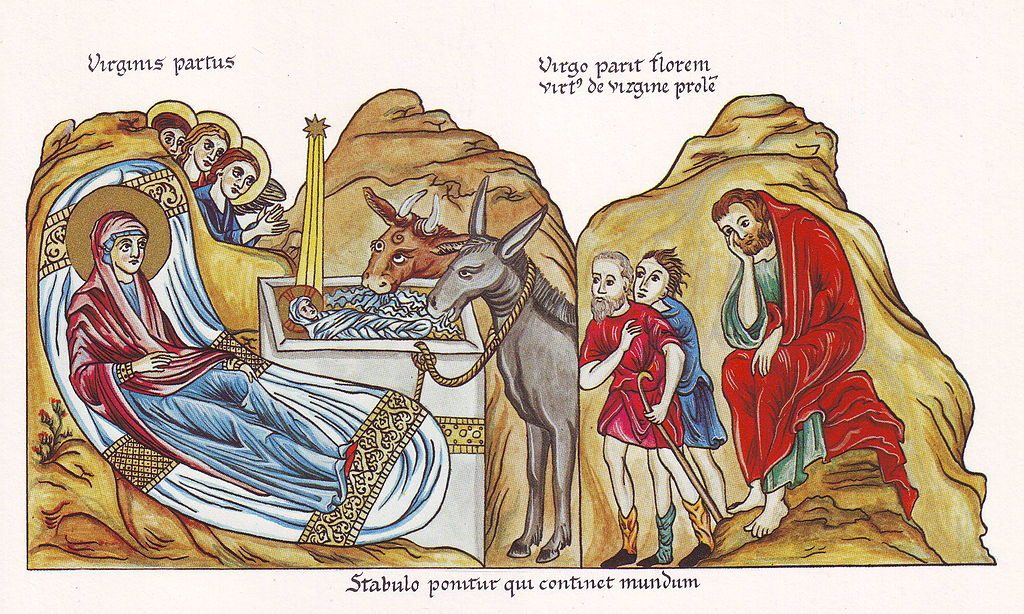
Incense of Music geht in das neue Jahr und wagt etwas Neues. Das Konzert am 13. Januar findet in einer Kollaboration zwischen International Cultural Project Butterbrot und Incense of Music statt. Der Weihnachtsbaum ist zu einer Projektionsfläche für die Umwälzungen unserer Feier- und Konsumkultur avanciert. Für die Performance The Forest of Symbols werden die abgelebten, auf der Straße gesammelten Bäume (wieder-) verwendet, ein Bild, welches die Schattenseiten der Glorifizierung der Tanne illustriert. Im Zentrum des Geschehens steht eine Rauminstallation von Aleksandra Yurieva-Civjane und Alexandra Goloborodko, die zum sogenannten Alten Russischen Neujahr in der Galerie Vinogradov aufgebaut wird. Die multisensorische Performance startet mit dem Auftritt von Arkady Shilkloper (Waldhorn, Flügelhorn). Die Künstler*innen interagieren über diverse Medien wie Videoprojektionen, Lichteffekte, Audioaufnahmen, aromatische Essenzen und instrumentale Musik mit dem Publikum. Am nächsten Tag sind alle herzlich eingeladen die Ausstellung anzuschauen, Tee zu trinken und sich für das kommende Jahr gemeinsam inspirieren zu lassen.
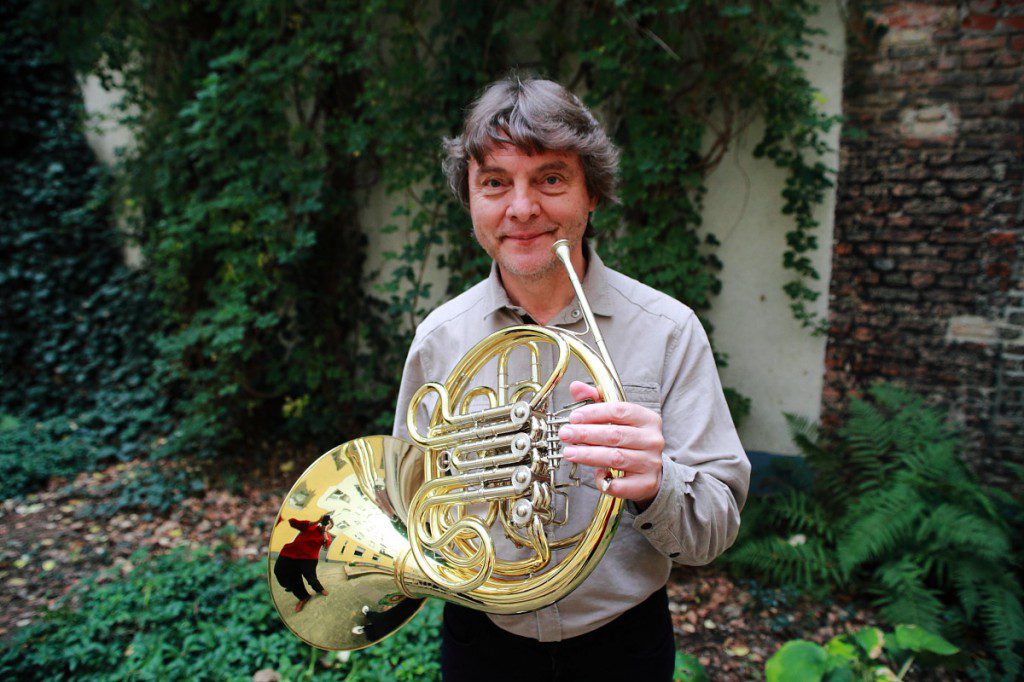
Arkady Shilkloper, Multinstrumentalist (Waldhorn, Flügelhorn, Alphorn und andere). Ehemaliges Mitglied des Bolshoiorchester und der Moskauer Philharmoniker. Wendet sich Anfang der 80er Jahre zum Jazz hin, gründet 1990 zusammen mit Michail Alperin und Sergey Starostin das Moscow Art Trio. Konzerte und Aufnahmen u.a. mit Vienna Art Orchestra, Rabih Abouh- Khalil, Sergey Letov, Elvin Jones, Christian Muthspiel, Vadim Neselovsky, Sergey Nakariakov und vielen anderen. Shilkloper tritt regelmässig auch als Solist mit Orchestern auf. Er lebt in Berlin.
International Cultural Project BUTTERBROT ist eine Initiative der Kuratorinnen Alexandra Goloborodko und Aleksandra Yurieva-Civjane. Das Projekt wurde 2009 mit den Schwerpunkten junge zeitgenössische Kunst, interkultureller Austausch, Wissenstransfer und deutsch-russische Beziehungen begonnen. Besonderes Anliegen der Kuratorinnen ist es, einen multidisziplinären, kontextbezogenen Zugang zu den aktuellen Problematiken zu suchen. Zeitgenössische Kunst wird dabei in ihrer unmittelbaren Wechselwirkung und dem unentbehrlichen Zusammenhang mit anderen Disziplinen betrachtet. Im Rahmen des Projektes BUTTERBROT werden bewusst keine Veranstaltungsformen festgelegt. Vielmehr bringen sich bestimmte Formate und Themen in der Arbeit an jedem einzelnen Projekt gegenseitig hervor. Durch die Zusammenarbeit mit diversen Institutionen, KuratorInnen und nicht zuletzt dem Publikum ergeben sich neue Netzwerke, Themen und Fragestellungen, die ihrerseits wiederum neue Dynamiken und Energien generieren, welche weit über den Projektzeitraum hinaus wirken.
Alexandra Goloborodko lebt und arbeitet in Berlin, hat Grafik und Kulturwissenschaft in Moskau studiert, ist Absolventin der Russischen Staatlichen Geisteswissenschaftlichen Universität (RGGU) und der Internationalen Akademie für Wirtschaft und Verwaltung – Institut für Werbung und Design. Seit 2014 ist sie Studentin des Instituts für Kunst im Kontext, UdK Berlin (Masterstudiengang Art in Context). Seit 2005 ist sie als Künstlerin und Kuratorin bei Kunstprojekten in Moskau und Berlin vertreten (u.A. in Kooperationen mit Kunstquartier Bethanien Berlin, Design Fabrik Flakon Moskau, Acud Kunsthaus Berlin). Sie arbeitet in dem Bereich Kulturelle Bildung, organisiert und moderiert künstlerische Bildungsprogramme für junge Menschen, u.A. in Dissens – Pädagogik für Kunst im Kontext e.V.
Aleksandra Yurieva-Civjane (1983) ist in Riga geboren, lebte seit 1986 in Moskau und seit 2003 in Berlin. Sie hat Psychologie in dem Moskauer Pädagogischen Institut MOSPI und Psychologie und Medien- und Kulturwissenschaft an der Heinrich Heine Universität Düsseldorf studiert. 2011 besuchte Aleksandra den Kurs „Ausstellungsorganisation / Kuratieren“ an der UdK Berlin. Seit 2009 arbeitet Aleksandra als unabhängige Kuratorin mit Galerien und anderen Kunst- und Kultureinrichtungen, wie z.B. Galerie Seitz & Partner Berlin, Kulturamt Neukölln Berlin, Goethe Institut Moskau. Zurzeit lebt sie in Düsseldorf.
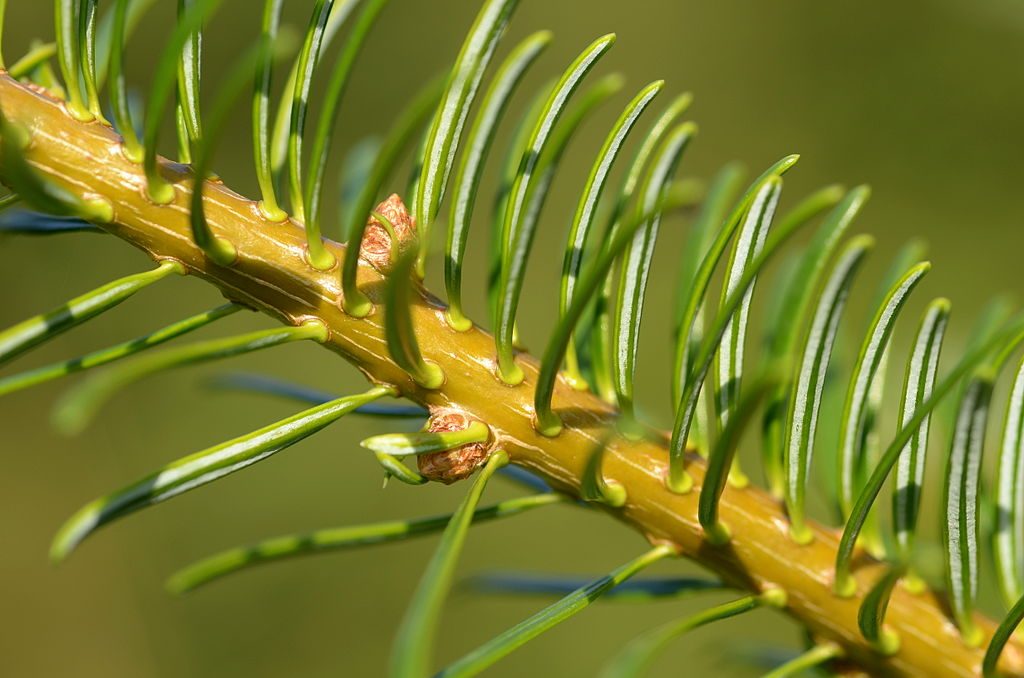
Die Nordmann-Tanne (Abies nordmanniana), standardsprachlich Nordmanntanne, auch Nordmanns Tanne und Kaukasus-Tanne genannt, ist eine Pflanzenart aus der Gattung Tannen (Abies) in der Familie der Kieferngewächse (Pinaceae). Die Nordmanntanne ist heute die meistgenutzte Baumart als Weihnachtsbaum. Benannt wurde sie im Jahre 1842 nach dem finnischen Biologen Alexander von Nordmann (1803–1866), nachdem er sie 1835 im Kaukasus nordöstlich von Borshomi (im heutigen Georgien) entdeckt hatte. Die Nordmann-Tanne ist ein mächtiger, geradstämmiger, immergrüner Baum, der Wuchshöhen von 40 bis 60 Meter und Stammdurchmesser bis 2 Meter erreicht. Sie kann ein Höchstalter von 500 Jahren erreichen. Die Nordmann-Tanne ist im westlichen Kaukasus und im Ostpontischen Gebirge in Georgien, Russland, der nordöstlichen Türkei und Aserbaidschan heimisch. Ihr Verbreitungsgebiet bildet keine zusammenhängende Fläche. Die Gesamtfläche des Verbreitungsareals im Ostpontischen Gebirge umfasst circa 13.200 Hektar. Sie wächst in kühl-humidem Klima auf tiefgründigen, humosen Lehmböden in Höhenlagen zwischen 900 (Einzelbäume auch schon ab 400) und 2.100 Metern. Dabei bevorzugt sie Nordhänge. In Mitteleuropa wird die Nordmann-Tanne kaum forstlich angebaut, da sie unter strengen Wintern und Spätfrost leidet. Sie ist aber ein beliebter Parkbaum und wird plantagenmäßig als Weihnachtsbaum angebaut. Wichtigster Weihnachtsbaumproduzent ist Dänemark mit rund 4.000 (Groß-)Produzenten und einem Bestand von gut 100 Millionen Nordmann-Tannen, von denen jährlich etwa 5 Millionen exportiert werden.

Die Fichten (Picea) sind eine Pflanzengattung in der Familie der Kieferngewächse (Pinaceae). Die einzige in Mitteleuropa heimische Art ist die Gemeine Fichte (Picea abies), die wegen ihrer schuppigen, rotbraunen Rinde fälschlich auch als „Rottanne“ bezeichnet wird. Die Fichten bilden alleine die Unterfamilie Piceoideae. Fichten sind immergrüne und einstämmige Bäume. Sie erreichen in der Regel Wuchshöhen von 20 bis 60 Meter, in Ausnahmefällen über 80 Meter, wie etwa Picea sitchensis. Die Baumkrone ist kegelförmig bis walzlich. Der Stammdurchmesser beträgt bis zu 1 Meter, maximal bis 2,5 Meter; bei einzelnen Arten treten Extremwerte von bis zu 4 Metern auf. Die Fichten haben als Gattung eine holarktische Verbreitung. Nur in Mexiko und auf Taiwan reicht ihr Verbreitungsgebiet bis zum nördlichen Wendekreis. Verschiedene Fichtenarten sind bestandsbildend in der borealen Nadelwaldzone und in der Nadelwaldstufe vieler Gebirge in den klimatisch temperaten, submeridionalen und meridionalen Teilen Eurasiens und Nordamerikas. Fichten zählen auf der Nordhalbkugel zu den wichtigsten forstwirtschaftlich genutzten Baumarten. Nur in Resten werden noch Naturwälder genutzt, meist sind es bewirtschaftete oder künstlich geschaffene Reinbestände. In Mitteleuropa ist die Gemeine Fichte der Brotbaum der Forstwirtschaft. Zum Anwendungsspektrum gehört vor allem die Verwendung zur Papier- und Zellstoffherstellung, als Bau- und Möbelholz für den Innenbereich sowie die Nutzung als Brennholz. Das Wort picea wurde von den Römern im Sinne von „harzhaltiges Holz: Fichte“ verwendet (Vergil, Aeneis 6,180), aber auch, wenn die Gemeine Kiefer gemeint war (Plinius der Ältere, Historia naturalis 16,40ff.). Es ist eine Substantivierung des Adjektivs piceus = „pech-, harzhaltig“, das zu pix, Genitiv picis, gehört, „Pech, Harz“. Dieses wird auf die indogermanische Wurzel *pik- „Pech, Harz“ zurückgeführt. Dieser Wurzel nahe steht die Wurzel *pit- „Fichte“. Beide Wurzeln werden meist mit den indogermanischen Wörtern für „Fett, Saft, Trank“ in Verbindung gebracht. Es ist jedoch auch eine Verbindung mit *(s)pik-, *(s)pit- „spitz, stechend“ denkbar.