Incense of Music 71/ Biłat + Jasinska, Matsuno
Incense of Music 71
A multisensory concert – Friday, 27th March 2026, 8 pm
Julia Biłat: cello
Zuza Jasinska: voice
Keisuke Matsuno: guitar, electronics
Incense burning: Eucalyptus, Dittany
PANDA Platforma in der Kulturbrauerei, Knaackstr. 97, 10435 Berlin
Join us for a unique sensory experience that brings together two distinct musical voices for a special double set. Julia Biłat is a Berlin-based cellist, composer, and sonic explorer. In her solo performances, she transcends the conventional concert format, weaving together deeply personal cello improvisations with elements of performance art. Her work is a profound exploration of the body, voice, and space, creating a captivating and introspective sound world. Zuza Jasinska & Keisuke Matsuno present a dialogue of voice and guitar. Zuza, a vocalist and composer, blends folk-pop intimacy with jazz inflection and the fearless spirit of experimental improv. Her evocative voice is met by Keisuke's intricate and sensitive guitar work, creating a sound that is both delicate and powerful. A carefully selected, curated incense blend will accompany the auditory journey and deepen the evening's atmosphere with its botanical aromas. Eucalyptus, for its clear, invigorating freshness, and Dittany (Burning Bush), for its purifying, mentally-sharpening tradition, will be smoldered. Let the music fill your ears and the fragrance transport your mind. This event is not recommended to people sensitive to smoke.

Julia Biłat is a Berlin-based, classically trained cellist, improviser, and composer. She is dedicated to her exploratory, genre-bending practice at the intersection of improvisation, composition, and performance art. As a cellist, she participates in various classical, jazz, improvisation and performance projects such as Stegreif.Orchestra, Camila Nebbia's The Hanged One or Fabiana Striffler's Archiotic Quintet. Commissioned by Stegreif.Orchestra, she has composed and co-directed several productions (most recently, #bechange Hildegard von Bingen, 2022/2023). In recent years, Julia Biłat has focused on a solo format, in which she combines performance art with solo cello improvisations, creating structures where the body and voice - along with spatial awareness - play an important role. With her solo project she has performed at the Butohpolis Festival in Warsaw, Poland, at the Into The Open Festival in Kuehlhaus, Berlin and at the Intermittenze Festival in Catania, Italy among others.

Zuza Jasinska: "I am a vocalist based in Berlin, Germany. I compose and sing music like folk-pop, jazz, and experimental improv. I I was raised in Poland, in a city called Toruń, nestled by the Vistula River and famous for its gingerbread. There’s a moment caught on camera from when I was just a little bean—my mom turning to my dad and saying, “I’m telling you, she’ll be singing.” And here we are. I shaped my style by mimicking the sounds around me—it got so out of hand that I started calling myself a chameleon. Copy, paste, repeat. I loved it. Today, I sound more like me. I stopped copying, and it turned out pretty well. For now, that’s it. I’ll add more later."

Keisuke Matsuno plays the guitar. And he creates sounds & noise through self-made analog audio signal processing. He also writes instrumental songs about the small things in life. And does other things that inspire him. What inspires you? Keisuke plays solo, with his trio (w/ Andrea Parkins & Steve Heather), his quartet (w/ Evi Filippou, Alexander Binder, Hanno Stick), Wood River, Hues, Smashing Humans, The Killing Popes, Jim Black Quartet, John Zorn’s Bagatelles, Trio Schmetterling,…
https://keisukematsuno.tumblr.com/

Eucalyptus, originally native to the forests of Australia, is a distinctive, fast-growing, and evergreen tree. It is cultivated worldwide in warm regions and is particularly known for its long, leathery, and often sickle-shaped leaves, which are rich in essential oils. These oils not only give the plant its unmistakably fresh, camphor-like scent but are also the reason for its versatile uses. As incense, the dried leaves of eucalyptus release their powerful effect when smoldering. As they burn, a clear, invigorating, and minty fragrance unfolds—one that has long been valued in various cultures. Traditionally, burning eucalyptus is believed to have a strong purifying and clarifying effect on the air and atmosphere of a space. Above all, however, it is associated both symbolically and practically with the respiratory system: the rising smoke is said to clear and support free breathing—a property drawn from traditional folk medicine. Beyond this physical aspect, the scent is also considered mentally stimulating and conducive to concentration, making it suitable for meditation or focused work. In modern incense practice, eucalyptus is often blended with warmer resins such as frankincense or with citrus notes to balance its intense, cool character. Due to its potent effect, only a small amount should be burned at a time, and this should be done in well-ventilated spaces. The smoke can be irritating for people with asthma, young children, or pets, so special caution is advised here. In this way, eucalyptus as an incense connects ancient knowledge with a powerful, tangible presence that remains relevant to this day.

Dittany, also known as the "Burning Bush" or "Gas Plant," is an impressive, rare, and protected perennial plant native to warm, limestone-rich regions of Southern and Central Europe. Botanically, it belongs to the rue family (Rutaceae). It is characterized by its upright, glandular flower spikes in pink or white and its feathery, citrus-scented leaves. The entire plant is rich in essential oils, which on hot summer nights can form a cloud-like, flammable atmosphere around the plant—giving rise to its biblically inspired name, "Burning Bush." As incense, dittany is a highly traditional but now rarely used and protected plant. In the past, primarily the dried and crushed roots and seeds were used for smudging. The smoke has an intensely aromatic, spicy-bitter scent, with a clearer, lemony to camphor-like note compared to its more famous relative, frankincense. It is often described as "purifying" and "mentally sharpening." Since antiquity, dittany has been regarded as a powerfully protective and cleansing incense. It was burned to ward off negative influences and to bless spaces and people.

Incense of Music 70/ Notte, Nussbaumer
Incense of Music 70
A multisensory concert – Friday, 27th February 2026, 8 pm
Sophie Notte: cello, voice, performance
Georg Nussbaumer: composition, performance
Incense burning: propolis, peony
PANDA Platforma in der Kulturbrauerei, Knaackstr. 97, 10435 Berlin
A collaboration of Berlin based cellist Sophie Notte (cello/performance) and Austrian artist Georg Nussbaumer (composition/performance/installation): on the formation and decay of harmonies – flies and hair – echoes of music from the past – tiny cows and a dragon – egg – caterpillar (larva) – pupa – butterfly (imago) – pair – flock – swarm... and back to egg. A diptych (with side panels) consisting of two chamber music compositions for violoncello and other sound sources, based on major 19th-century compositions. However, these are not arrangements; rather, the originals are melted down and thus become formless material for new creations, while retaining their tone, their ‘smell’. In both pieces, the cello is a central carrier of unfolding arches and vaults, within which—expanded in dimension by enveloping sonic and installation-based elements—further spaces of association open up. An alchemical process with an open outcome. Goldless and ephemeral. Propolis and peony will be smoldered. For guests who are particularly sensitive to smoke, this event is not recommended.

Sophie Notte (*1991) is a cellist and performer. She grew up in Trier and studied cello in Saarbrücken, Berlin and Rostock. She now lives in Berlin and has been a permanent member of Solistenensemble Kaleidoskop since 2020, with which she feels deeply connected. Over the past few years, she has collaborated with artists and composers such as Achim Freyer, Georg Nussbaumer, Pol Pi, Wojciech Blecharz, François Sarhan, and Stefan Streich, and has performed at various festivals and venues, including Musiktheatertage Wien, MAERZ Musik, Musikinstallationen Nürnberg, Donaufestival, Athens Epidaurus Festival, Burgtheater Wien, Kampnagel, Berlinische Galerie, Auditorio de Tenerife, and Centre Pompidou. Besides working with Kaleidoskop, she is currently involved in a production of Schubert’s Winterreise arranged for three female performers and directed by Achim Freyer, as well as in a cello duo formation with Mathis Mayr focusing on contemporary repertoire.

Georg Nussbaumer (*1964) lives in Vienna and is regarded as a virtuoso "Gesamtkunstwerker" whose works are located between composition, installation art, performance and theatre. Large- format scenic works, which constitute multi-layered pictorial sound spaces and combine thematic and motivic stylistic elements to form large holistic structures, are juxtaposed with reduced sound installations or even non-sounding processes, which often deal with music, its history and effect and ultimately with its production. He works with highly specialized performers and musicians just as naturally as with an audience getting drunk or chewing gum, with archers, freedivers, a motorcycle club or hundreds of singers from rural amateur choirs. His work is shown internationally at festivals, theatres and exhibitions such as Donaueschingen Music Festival, Steirischer Herbst, Maerzmusik, soundscape Vilnius, Ring Festival Los Angeles, Opera Dagen Rotterdam, Teatr-e Shahr Tehran, Beethovenfest Bonn, and many more. For the European Capital of Culture Bad Ischl 2024, he realized projects with choirs, shooters, marching bands, and a bell-laden railway carriage.

Propolis, often termed "bee glue," is a remarkable natural substance with a long history beyond the hive. It is a complex resinous mixture that honeybees produce by combining gathered plant resins and saps—primarily from tree buds like poplar and conifer—with their own enzymes and beeswax. This sticky, antimicrobial compound is used to seal cracks, sterilize the hive interior, and mummify intruders, acting as the colony's chemical immune system. When used as incense, raw propolis—in the form of dried granules, chunks, or occasionally powdered—reveals a deeply aromatic and therapeutic profile. The scent of burning propolis is profound, complex, and evocative. Its primary character is richly resinous, balsamic, and woody, with a foundational note reminiscent of poplar buds, storax, and warm honey. Upon heating, it releases a smoky, slightly pungent quality, layered with subtle hints of vanilla, cinnamon, and a faint medicinal sharpness (due to its natural flavonoids and phenolic compounds). The overall impression is one of a warm, ancient forest, beehives in the sun, and profound depth. For burning, it is best to use a charcoal disc or an electric incense warmer. Only a small piece (the size of a pea or two) is needed, as the fragrance is potent and the smoke can be dense. It is often blended with complementary incenses like frankincense, myrrh, cedarwood, or dried citrus peel to balance its intensity and add complexity. Propolis has been valued since antiquity not just as a medicine but also as a ritual substance. Its use as incense is rooted in its powerful protective and purifying properties. In various folk traditions, the smoke of propolis was believed to:
*Cleanse and sanitize the air during illness or epidemics, leveraging its natural antimicrobial virtues.
*Create a sacred or guarded space for ritual and meditation, invoking a sense of safety and spiritual hygiene.
*Promote grounding, resilience, and healing, with its warm, enveloping scent fostering an atmosphere of recovery and wellness.
Energetically, it is associated with protection, boundaries, health, and the wisdom of the collective (much like the hive itself). It is considered an incense for clearing stagnant energy, strengthening personal aura, and fostering a deeply rooted, calm environment. In summary, propolis incense offers a unique, primal, and deeply grounding aromatic experience. It connects the user to ancient traditions of hive wisdom, forest resilience, and ceremonial cleansing, making it a powerful tool for those seeking a profound and protective sensory journey.

The peony (Paeonia) is an impressive, long-lived perennial, best known for its large, opulent, and often fragrant blooms. For millennia, it has been a symbol of wealth, honor, feminine beauty, and healing in many cultures. When used as incense, it is traditionally the dried and crushed root, or more rarely the petals, that are burned. The smoke releases a floral-spicy, earthy, and slightly sweet fragrance profile, with subtle peppery or minty nuances and a woody depth. This meditative and warm scent is considered balancing, calming, and protective, and is believed to create a sensual, comforting atmosphere. In European folk magic, peony was burned to ward off evil spirits and for protection, while it is also associated with healing, self-love, sensual openness, and gently making contact with the spiritual world. In practice, it is often used in small amounts blended with other materials like rose petals or sandalwood and is particularly suited for meditative smudging in a calm setting. It is important that it comes from controlled, non-toxic cultivation. In summary, as an incense, peony combines ancient symbolic power with a warm, grounding floral scent and is a subtle companion for moments of self-care, cleansing, and creating a sense of sanctuary.
Incense of Music 69/ Younes, Hamedi
A multisensory concert – Friday, 30th January 2026, 8 pm
Mevan Younes, Buzuq
Elham Hamedi, Kamancheh
Fabio Dondero (Incense): Myrrh, Lavander
PANDA Platforma in der Kulturbrauerei, Knaackstr. 97, 10435 Berlin

Echoes from Mesopotamia
A Musical Dialogue Prepare for a musical journey to the cradle of civilization, where the spirit of ancient Mesopotamia is channeled through the strings of two master musicians. Mevan Younes on the buzuq and Elham Hamedi on the kamancheh engage in a profound dialogue, exploring the vast emotional landscape of Kurdish and Mesopotamian heritage. The evening begins with the resonant, metallic pluck of the buzuq. Mevan Younes coaxes intricate, rhythmic patterns from its long neck, each note buzzing with a vibrant, earthy energy. His playing is both percussive and melodic, building complex architectures of sound that recall the sun-baked landscapes and resilient spirit of its people. The buzuq speaks in the language of fire, dance, and the unyielding passage of time. Then, the voice of the kamancheh enters. Held upright and bowed with profound sensitivity by Elham Hamedi, its sound is the evening's response to the buzuq's day. It is a voice of poignant beauty and lyrical sorrow—a soaring, weeping melody that seems to touch the very soul. Elham coaxes microtones and delicate ornaments from its strings, navigating the intricate pathways of Kurdish maqams (modes) with breathtaking precision. The kamancheh speaks of longing, of history, and of the deep, flowing rivers of the region. Together, they do not merely play in unison; they converse. They argue, they mourn, they celebrate. Through composed pieces and spirited improvisations, they explore the rich tapestry of their shared musical heritage. The buzuq lays down a rhythmic, harmonic foundation, over which the kamancheh paints stories in shades of joy and melancholy. Their interplay is a testament to the diversity and depth of this ancient tradition, at once fiercely rhythmic and heartbreakingly tender. A Note on the Atmosphere: Enhancing this auditory journey, a subtle fragrance lingers in the air—the sacred, resinous depth of myrrh echoing the buzuq's ancient roots, and the ethereal, herbal calm of lavender mirroring the kamancheh's soulful cry. This scent is but a whisper, a ghost in the hall, designed to deepen the immersion into the soundscape without ever distracting from its power. This is more than a concert; it is an invitation to witness a living tradition. It is a rare opportunity to experience the echoes from Mesopotamia, not as relics from a museum, but as a vibrant, evolving conversation between two exceptional artists and their instruments.

Mevan Younes
Born in the multicultural city of Al Hassak north of Syria, the musician has become specializes in a traditional oriental instrument with Buzuq. Already at the age of seven began his musical education at his Father, where he initially learned mainly the Kurdish music. Later, Mevan then sat at the College of Music in Damascus Damascus Higher Institute of Music) continued his musical education and completed his studies under the Care of Professor Askar Ali Akbar in 2011. During this time he also took up the work as Buzuq teacher on. Mevan is a member of the Syrian Arab National Orchestra and has been a guest in the past numerous events such as the Morgenland Festival in Osnabrück or the Rskilde Festival in Denmark. Involvement in international events led Mevan into various countries such as Turkey, Tunisia, Ghana, Kurdistan, Denmark, France and Germany. Since 2015, Mevan Younes lives in Germany Greater Berlin, where he has his other pursued musical education and together in various bands and ensembles is active. Among other things, Mevan is part of the Ugarit trio and the Berlin Orient ensemble.

Elham Hamedi
(1987, Mahabad) is a Kurdish musician, singer, and composer specializing in the Persian kamancheh. She studied Classical Persian Music at the University of Art in Tehran and later taught at the Diyarbakir Academy of Music. Since 2020, she has been studying composiMon at the Barenboim-Said Academy in Berlin with Stefan Winkler and Arnulf Herrmann. Her performances as both an instrumentalist and singer have taken her to Malaysia, the Middle East, Russia, and Europe, including a recent appearance in Oslo and a live RBB broadcast from Berlin’s Luisenkirche. In 2019, she received second prize in the ISAM ComposiMon CompeMMon, and in 2024, she presented a widely acclaimed solo recital at the Ostheimer Organ FesMval.

Myrrh: The Sacred Resin
As a plant, myrrh comes from small, thorny trees of the genus Commiphora, native to the dry, arid regions of Northeast Africa and the Middle East. The treasured resin is not the wood or sap, but a fragrant gum that naturally oozes from the bark to heal wounds. Harvesters make deliberate cuts to encourage more of this valuable secretion, which hardens into tear-shaped, reddish-brown granules. As an incense, myrrh is legendary. When burned, it releases a rich, complex aroma that is simultaneously earthy, bittersweet, and slightly medicinal. Its scent is deeply ancient and spiritual, evoking images of temple rites, sacred ceremonies, and caravan routes. Unlike floral scents, myrrh provides a profound, grounding base note. It is known for its purifying, meditative qualities, and has been used for millennia to create a solemn, contemplative atmosphere.

Lavender: The Calming Bloom
As a plant, lavender is a beautiful and resilient shrub native to the Mediterranean region, easily recognized by its slender, silvery-green leaves and tall spikes of tiny, vibrant purple flowers. It thrives in sunny, rocky landscapes, and its iconic colour is named after the plant itself. The essence of lavender is contained in tiny oil glands on its flowers, which release their fragrance when touched or warmed by the sun. As an incense, lavender offers a distinctly herbal, floral, and slightly sweet aroma. When burned, its scent is calming and clean, known to ease the mind and promote a sense of peace and relaxation. Unlike heavy, resinous incenses, lavender's smoke is often lighter and more airy. It is used to purify a space, relieve stress, and encourage restful sleep, making it a staple for creating a serene and balanced atmosphere.
Incense of Music 68/ Bart, Friedman, Hoppe
A multisensory concert – Saturday, 22nd November 2025, 8 pm
Danielle Friedman, piano
Ariel Bart, harmonica
Lisa Hoppe, double bass
Fabio Dondero (Incense burning): birch and rosemary
PANDA Platforma in der Kulturbrauerei, Knaackstr. 97, 10435 Berlin

Prepare for an evening of captivating soundscapes and aromatic immersion as three exceptional musicians grace the stage at Panda Platforma for a unique multisensory concert. Harmonica player and composer Ariel Bart, pianist Danielle Friedman, and double bassist Lisa Hoppe will come together to create an unforgettable musical journey, enhanced by the subtle scents of birch and a surprise incense from the Mediterranean. This special event will weave together the diverse and innovative styles of the three Berlin-based artists. Ariel Bart is known for redefining the chromatic harmonica, blending jazz with Middle Eastern influences to create music that is both cinematic and emotionally resonant. Danielle Friedman, a pianist and composer, navigates the spaces between jazz, classical music, and lyrical free improvisation, her compositions marked by a keen sense of rhythm and movement. Lisa Hoppe, a composer and improviser on the double bass, brings a wide spectrum of musical language to her performances, ranging from free improvisation and jazz to modern chamber music. The concert will be a part of Panda Platforma's "Incense of Music" series, which seeks to create a deeper listening experience by incorporating the sense of smell. The chosen scents of birch and a yet-to-be-revealed Mediterranean fragrance will complement the musical performance, with the earthy aroma of birch grounding the audience in the present moment while the Mediterranean notes evoke a sense of warmth, travel, and storytelling, mirroring the musicians' own diverse backgrounds and musical explorations. Panda Platforma, a non-profit organization located in the Kulturbrauerei, is a well-established hub for a wide array of cultural events, including experimental music, jazz, and global beats. This multisensory concert is a testament to the venue's commitment to offering innovative and immersive artistic experiences.
Ariel Bart is a harmonica player and composer, currently based in Berlin. She has made the chromatic harmonica her primary focus, developing a distinctive voice through her compositions. Her debut album, In Between (spring 2021, Ropeadope Records), introduced her innovative sound, which she further expanded in her second release, Documentaries (Ropeadope Records).

Danielle Friedman is an Israeli pianist and composer and improviser based in Berlin. Her music flows between Jazz, Classical, and lyrical as well as rhythmic free improvisation, riddled with imagination. She studied at The Center For Jazz Studies in Tel Aviv, and received a full scholarship to finish her Bachelor's in Fine Arts at The New School for Jazz and Contemporary music in New York.

Lisa Hoppe is a double bassist, composer and improviser, based in Berlin. Her musical works contain a variety of genres and non-genres: Ranging between free improvisation, jazz in all shapes, modern chamber music and chanson, she is always striving to put the melodic qualities of the double bass into contemporary context. She writes for music theater and works with several projects in Germany and Switzerland. Her album Faking An Imperfect Utopia with her band YSOP was nominated for German Jazz Price in 2024.

The birch (Betula genus) is a deciduous tree instantly recognizable by its striking, luminous white bark. Its name, derived from an ancient root word for "bright," perfectly captures the shimmering quality of its bark, which often peels in thin, paper-like layers on younger trees. As a resilient pioneer species, the birch is one of the first trees to grow in disturbed or barren land, making it a powerful symbol of renewal. With its delicate, often weeping branches and small, triangular leaves that emerge in a vibrant green, it is one of the earliest harbingers of spring. When used as incense, burning its bark, wood, or leaves releases a fresh, woody, and subtly sweet fragrance that is both calming and uplifting. The smoke is traditionally believed to possess strong purifying properties, ideal for clearing away stagnant, negative energy and making space for the new. A birch burning is thought to awaken the spirit, foster creativity, and provide courage for fresh starts. It imbues a space with a sense of harmony and comfort, acting as a gentle balm for the soul and perfectly embodying the tree's spirit of regeneration and bright new beginnings.

Rosemary is a perennial evergreen shrub native to the dry, rocky coastal areas of the Mediterranean region. It is a member of the mint family, Lamiaceae, and is scientifically known as Salvia rosmarinus, which translates to "dew of the sea," a poetic name reflecting its habitat. The plant is characterized by its robust, woody stems and needle-like leaves that are dark green and glossy on top with a distinctive silvery-white, fuzzy underside. These leaves are highly aromatic, releasing their potent fragrance when brushed against or crushed. During its blooming season, rosemary is adorned with small, delicate flowers that can range in color from pale blue and white to pink, making it an attractive plant for both herb gardens and ornamental landscaping. It is exceptionally drought-tolerant and thrives in full sun and well-drained soil. Beyond its visual and olfactory appeal, rosemary has a long and storied history in culinary, medicinal, and ceremonial practices, dating back to ancient civilizations. As an incense, rosemary is valued for its powerful cleansing and invigorating properties. The dried leaves are either burned loose on a charcoal disc or bundled into smudge sticks, often combined with other herbs like sage or lavender. When ignited, it produces a moderate amount of aromatic smoke that carries a robust, clean, and camphoraceous scent. The primary note is a refreshing, pine-like aroma, underpinned by earthy, woody, and slightly peppery tones. This complex fragrance is known for its ability to purify the atmosphere, both literally and symbolically. It is traditionally used to clear a space of negative energies, to promote protection, and to enhance mental clarity. The smoke is believed to stimulate the mind, improve memory and concentration, and ward off mental fatigue, a belief even referenced in Shakespeare's Hamlet. Furthermore, the incense is used in rituals to encourage healing, promote restful sleep when used moderately, and provide a general sense of upliftment and alertness. The experience of burning rosemary incense is often described as bringing the crisp, revitalizing air of a sun-drenched Mediterranean hillside into a room.


Incense of Music 67/ Yannick Rafalimanana
Incense of Music 67
A multisensory concert – Friday, 24th October 2025, 8 pm
Yannick Rafalimanana, Klavier
Fabio Dondero (incense): oud and cypress
Program: works by Debussy, Rachmaninov, Dessau, Ciurlionis, Satie
PANDA Platforma in der Kulturbrauerei, Knaackstr. 97, 10435 Berlin

Experience an immersive evening with acclaimed French pianist Yannick Rafalimanana in Panda Platforma's "Incense of Music" series. As his celebrated interpretations fill the room, projections of paintings by great masters will illuminate the stage. This unique concert creates a total sensory experience, enhanced by the subtle aroma of curated incense. Join us for a powerful dialogue between music and art—a journey where sound, sight, and scent merge into one.

French pianist Yannick Rafalimanana has developed an international concert career as a recitalist and chamber musician. Recent performances have taken him to halls all over the world, including the Berlin Philharmonie, the Elbphilharmonie Hamburg, Wigmore Hall, Konzerthaus Berlin, Köln Philharmonie, the Vienna Konzerthaus, the Shanghai Symphony Orchestra Chamber Hall, and the Kennedy Center in Washington. He has made chamber music with countless artists, including Kim Kashkashian, Steven Isserlis, Noah Bendix-Balgley, Arnold Steinhardt, and Itzhak Perlman. As a soloist, he has appeared with the Berlin Konzerthaus Orchestra, the Orchestre CNR de Lille, Orchestre Impromptu, the Ensemble Parisien. He has worked under the batons of Péter Eötvös, Maxime Pascal, Jean Deroyer, Lucie Leguay and Zolt Nagy. Yannick regularly appears at a wide variety of summer festivals, including the Perlman Music Program, the Great Lakes Chamber Music Festival, Schleswig-Holstein Musikfestival, Festspiele Mecklenburg-Vorpommern, Osterfestspiele Baden-Baden, Sommerliche Hitzacker Musiktage , OCM Prussia Cove and Krzyzowa-Musik Festival. Yannick is the winner of numerous awards and prizes, including the Borromeo Quartet Guest Artist Award, the Bruxelles J-Musiciens Competition, the Brest Piano Competition, and the International Ravel Academy's Rotary-Lions Competition. As the first prize winner of the 2012 Tufts/New England Conservatory Soloist Competition, he made his U.S. concerto debut in Symphony Hall in Boston, playing the Schumann Concerto with the Boston Pops Orchestra and Keith Lockhart. Born in Lille, he began his musical studies at the Conservatory of Lille under the tutelage of Alain Raes. He later graduated from the Paris Conservatoire with first prizes in piano performance, chamber music, and collaborative piano performance. His teachers there included Bruno Rigutto, Michael Levinas, and Jean-Claude Pennetier. His chamber music and collaborative piano coaches included Francois Salque, Michel Moraguais, David Walter and Jean Koerner. Yannick then moved to Boston, where he obtained a graduate diploma from the New England Conservatory in piano performance and a master of music in chamber music as a student of Vivian Weilerstein. Yannick has been teaching Chamber Music at the Folkwang University of Arts in Essen from 2015 to 2018. In 2022, he launched a concert series in his Berlin neighborhood called “Yannick’s Salon” bringing Chamber Music masterpieces to the local audience of Weissensee.

Agarwood, also known as oud, aloeswood, or eaglewood, is a fascinating and highly prized natural product with a rich history in various cultures, particularly in Asia and the Middle East. Its allure stems from both the unique botanical origins of the plant and the exquisite, complex aroma it produces when burned as incense. Agarwood doesn't come from a specific species of tree, but rather from a genus of trees called Aquilaria, primarily found in the rainforests of Southeast Asia. What makes agarwood so special is not the tree itself, but a unique and somewhat mysterious process that occurs within its heartwood. The Aquilaria are evergreen trees that can grow quite large, sometimes reaching heights of over 30 meters. They typically have smooth bark, simple leaves, and small, fragrant flowers. The magic happens when the Aquilaria tree is infected by a specific type of mold, Phialophora parasitica, or is otherwise stressed or injured (e.g., by lightning, insect infestation, or even human intervention). In response to this attack, the tree produces a dark, aromatic resin as a defense mechanism. This resin permeates the heartwood, transforming the pale, odorless wood into the dark, dense, and fragrant agarwood. The quality of agarwood varies greatly depending on the species of Aquilaria, the type and extent of infection, the age of the tree, and the specific environmental conditions. High-grade agarwood is often dark brown or black, heavy (due to the high resin content), and has a rich, complex aroma even before burning. It can take decades, or even centuries, for the resin to fully develop, making naturally formed agarwood incredibly rare and expensive. Due to its high demand and the slow, natural process of its formation, many Aquilaria species are now endangered. This has led to the development of sustainable harvesting methods, including inoculation techniques to induce resin formation in farmed trees, and strict regulations on wild harvesting. When agarwood is burned as incense, it releases a captivating and highly complex aroma that is deeply revered across many cultures. Aromatic Profile: The scent of agarwood is incredibly nuanced and can vary significantly depending on its origin and quality. However, common descriptors include: A rich, deep, and often aged wood scent, distinct from common woods like sandalwood or cedar. Hints of honey, vanilla, or amber, providing a warm and inviting sweetness. Notes of leather, tobacco, or a subtle spiciness that adds depth.A subtle, intriguing animalic or musky undertone that gives it a luxurious and sometimes slightly wild character. In some rare varieties, faint hints of dried fruit or delicate floral notes might be detected. Agarwood has been used for millennia in religious ceremonies, meditations, and spiritual practices in Buddhism, Hinduism, Islam, and other traditions. It's believed to purify the air, calm the mind, and facilitate spiritual connection. It is one of the most sought-after and expensive ingredients in high-end perfumery, often forming the base note for "oud" fragrances, which are incredibly popular in the Middle East and increasingly worldwide. Due to its rarity and exquisite aroma, agarwood is often associated with luxury, wealth, and status. It's given as a prestigious gift and used in homes to signify elegance and refinement. In some traditional medicine systems, agarwood is believed to have therapeutic properties, including acting as a stimulant, tonic, or even an aphrodisiac. Agarwood is available in various forms: Wood Chips/Shavings: The most direct form, often burned on a charcoal disc to slowly release its fragrance. Ground agarwood, which can be burned directly or mixed into other incense blends. Oil (Oud Oil): A highly concentrated essential oil distilled from agarwood, used in perfumery and as a personal fragrance. Incense Sticks/Cones: While less common for pure, high-grade agarwood, it can be incorporated into manufactured incense products, often blended with other ingredients. In essence, agarwood is a testament to nature's incredible ability to transform, turning a tree's defense mechanism into one of the world's most cherished and evocative aromas. It bridges the gap between the botanical world and the realms of spirituality, luxury, and sensory pleasure.

Cypress, a conifer with ancient roots, offers a distinct presence both in the landscape and in the world of aromatic materials. It's revered for its longevity and the unique, grounding scent it provides when used as incense. Cypress refers to several species within the Cupressaceae family, most commonly the Mediterranean Cypress (Cupressus sempervirens), known for its slender, columnar form, and various species of False Cypress (Chamaecyparis). Appearance and Habitat: Cypresses are evergreen trees, often characterized by their dense, scale-like leaves and small, woody cones. They typically thrive in temperate regions, often found in rocky, well-drained soils. The Mediterranean Cypress, in particular, is iconic in landscapes across Southern Europe, the Middle East, and North Africa, frequently seen in cemeteries, parks, and along roadsides, often reaching impressive heights and living for centuries. Wood Characteristics: The wood of cypress trees is known for its durability, resistance to rot and insect infestation, and its pleasant, slightly aromatic quality. This made it a valued material for construction, shipbuilding, and furniture-making throughout history. Symbolism: Due to its longevity, evergreen nature, and association with sacred spaces, cypress has long been a symbol of immortality, grief, and remembrance in many cultures. Cypress as an Incense: A Grounding and Cleansing Aroma When cypress wood, resin, or essential oil is used as incense, it releases a clean, refreshing, and deeply grounding aroma. Aromatic Profile: The scent of cypress incense is typically: Fresh and Woody: A crisp, forest-like wood scent, reminiscent of a coniferous forest after rain. Resinous/Piny: It carries a distinct resinous or pine-like quality, but often smoother and less sharp than some true pines. Earthy/Slightly Smoky: A subtle earthiness or a light, clean smokiness can be present, adding to its grounding effect. Clean/Camphorous (less common): Some varieties might have a very faint, refreshing camphoraceous note. Cultural and Spiritual Significance: Purification and Protection: Cypress incense has traditionally been used in various cultures for cleansing and purification rituals, believed to clear negative energies and create a sacred space. Meditation and Focus: Its grounding and calming aroma makes it popular for meditation, enhancing focus and promoting a sense of inner peace. Grief and Remembrance: Reflecting its symbolism as a tree, cypress incense is often used in ceremonies related to grief, remembrance, and contemplation of mortality, offering a sense of solace and connection. Respiratory Support: In aromatherapy, the essential oil of cypress is sometimes used for its perceived benefits in supporting respiratory health, and this quality can subtly translate when diffused as incense. Forms of Incense: Cypress is most commonly found as: Essential Oil: Used in diffusers or incorporated into incense blends. Wood Chips/Powder: Burned directly on charcoal or as part of a loose incense mixture. Incense Sticks/Cones: Blended into manufactured incense, often alongside other complementary forest scents. In summary, cypress, both as a resilient plant and a fragrant incense, offers a profound connection to nature's enduring spirit. Its aroma provides a refreshing, woody embrace that grounds the senses and purifies the atmosphere.

Incense of Music 66/ Artem Yasynskyy
A multisensory concert – Friday, 12th September 2025, 8 pm
Artem Yasynskyy, piano
Fabio Dondero (Incense burning): grapefruit and dammar
Program:
Works by John Cage, Valentin Silvestrov, Alexander Scriabin, Maurice Ravel
PANDA Platforma in der Kulturbrauerei, Knaackstr. 97, 10435 Berlin
Panda platforma is proud to present a unique concert experience that transcends the traditional recital. On September, 12th, acclaimed pianist Artem Yasynskyy will take the audience on an immersive journey through the works of John Cage, Valentyn Silvestrov, Maurice Ravel, and Alexander Scriabin. This is more than just a concert; it is an exploration of synesthesia, where senses merge and influence one another. As Yasynskyy navigates the atmospheric soundscapes of Silvestrov and the mystical harmonies of Scriabin—a composer famously obsessed with the relationship between color and sound—the air will be filled with the bright, uplifting scent of grapefruit incense. The sharp, citrusy aroma is chosen to provide a vibrant counterpoint to the impressionistic colors of Ravel and a moment of clarity within the conceptual spaces of Cage. This carefully curated sensory pairing invites the listener to experience the music in a completely new dimension. Join us for an unforgettable evening in the intimate setting of Panda platforma, where music is not only heard, but felt and smelled.

Artem Yasynskyy was born in 1988 in Donetsk, Ukraine. He gave his first concert at the age of eight. He graduated with honors in piano from the Prokofiev State Music College in Donetsk, during which time he achieved numerous competition successes. Since 2010, he has been residing in Bremen, where he completed both a postgraduate and a master ‘ s program at the University of the Arts Bremen. Starting from 2015, Artem has been teaching piano as a lecturer at the University of the Arts Bremen. In the summer of 2021, Artem won the 2nd Prize and five additional awards at the Sydney International Piano Competition. He is also the recipient of the Gold Medal at the Cincinnati World Piano Competition in Ohio, USA. He has received awards in prestigious international piano competitions such as the Gina Bachauer Piano Competition in Salt Lake City, Utah, the Sendai International Music Competition in Japan, the Gian Battista Viotti International Piano Competition in Vercelli, Italy, and the Horowitz International Piano Competition in Kyiv, Ukraine, among others. He has performed with orchestras including the Utah Symphony in Salt Lake City, the Cincinnati Symphony Orchestra, the Calgary Philharmonic Orchestra, the National Orchestra of Ukraine, the Kharkiv Philharmonic Orchestra, the Kyiv National Philharmonic Orchestra, the Carlo Coccia Symphony Orchestra, the Sendai Philharmonic Orchestra and others. In 2016, Artem performed a solo recital at the New York Carnegie Hall.

The grapefruit (Citrus × paradisi) is a subtropical citrus tree known for its large, sour to semi-sweet fruit. It is an evergreen hybrid, originating as an accidental cross between a pomelo and a sweet orange. The tree produces glossy, dark green leaves and large, fragrant white flowers. The fruit's peel, which ranges from yellow to reddish-pink, is rich in essential oils, and it is from this peel that its characteristic fragrance is captured. The scent of grapefruit is vibrant, zesty, and unmistakably citrusy. It combines a sharp, tangy sweetness with a slightly bitter, green undertone from the peel. This complex profile creates a very fresh, clean, and powerfully energizing aroma that is instantly recognizable and mood-lifting. When used as incense, grapefruit is powerfully uplifting and clarifying. It is excellent for purifying the atmosphere, dispelling heavy or stagnant energy, and sharpening the mind. Its bright, crisp scent helps to combat mental fatigue, boost concentration, and inspire a cheerful, optimistic outlook, making it ideal for work, creative sessions, or to start the day with focus and positivity.

Dammar is a unique resin that comes from a variety of trees, primarily from the Dipterocarpaceae family, found in Southeast Asia, particularly in countries like Indonesia and Malaysia. It is valued both for its botanical origins and the clear, uplifting scent it produces when burned as incense. Dammar as a Plant: A Source of Clear Resin Dammar resin is collected from several species of trees, most notably those in the genera Shorea, Hopea, and Canarium. The Dammar Tree: These are typically large, tropical rainforest trees that can grow to impressive heights. They have straight trunks and broad canopies. The resin itself is a natural exudation from the bark, often appearing as solidified, pale yellowish to clear "tears" or lumps on the tree's surface. Resin Formation and Collection: The trees produce dammar resin as a protective response to injury or to seal wounds. The resin is collected by tapping the trees or by gathering the solidified lumps that have naturally fallen to the ground. Unlike some other resins that darken with age, high-quality dammar remains relatively light in color, sometimes almost translucent, hence its name, which can be derived from a Malay word meaning "light" or "torch." Traditional Uses: Beyond incense, dammar resin has historically been used in varnishes, lacquers, and as a stabilizer in food products. Its clarity and protective qualities made it popular in art conservation and for sealing wooden objects. Dammar as an Incense: A Zesty, Sunny Fragrance When dammar resin is burned as incense, it releases a distinct and highly appealing aroma that is often described as bright and uplifting. Aromatic Profile: The scent of dammar incense is typically: Bright and Citrusy: Often described with notes of lemon, lime, or other fresh, zesty citrus fruits. Sweet and Balsamic: A warm, slightly vanilla-like sweetness that complements the citrus notes, without being cloying. Lightly Woody/Resinous: A subtle, clean resinous undertone that reminds one of fresh sap or bright wood, rather than deep, aged wood. Uplifting/Clean: The overall impression is one of freshness, clarity, and an invigorating, joyful quality. It's generally considered a "lighter" resin scent compared to frankincense or myrrh. Cultural and Spiritual Significance: Cleansing and Invigoration: Dammar is frequently used for space clearing, believed to purify the atmosphere and invite positive energy. Its bright scent is thought to uplift the mood and clear the mind. Creativity and Inspiration: Its stimulating yet calming properties make it a favorite for fostering creativity, focus, and inspiration, often used during artistic endeavors or meditation. Joy and Optimism: Due to its cheerful aroma, dammar is often burned to promote feelings of joy, optimism, and lightness of spirit. Blends: Dammar blends exceptionally well with other resins (like frankincense) and woody incenses, adding a bright top note to more complex mixtures. Forms of Incense: Dammar is almost exclusively used as: Raw Resin: The most common form, small lumps or "tears" that are burned directly on a charcoal disc. Powder: Ground resin, which can be used in loose incense blends. In essence, dammar, from its light-colored resin to its vibrant aroma, embodies clarity and positivity. It's an excellent choice for those seeking an uplifting and refreshing incense experience that invigorates the senses and brightens the spirit.

Incense of Music 65/ Gordoa, Thieke, Vorfeld, Kakaliagou
Incense of Music 65
A multisensory concert – Friday, 4. July 2025, 8 pm
Michael Thieke: clarinet
Elena Kakaliagou: French horn
Michael Vorfeld: percussion
Emilio Gordoa: vibraphone
Incense burning: Priprioca
PANDA Platforma in der Kulturbrauerei, Knaackstr. 97, 10435 Berlin
Experience a unique convergence of sound and scent featuring Michael Thieke (clarinet), Elena Kakaliagou (French horn), Michael Vorfeld (percussion), and Emilio Gordoa (vibraphone). As these master improvisers weave intricate and exploratory soundscapes, the air will be gently suffused with the earthy, grounding aroma of burning Cyperus articulatus (Piri-Piri). This ancient plant, known for its traditional use in clearing and connecting, will provide an olfactory dimension to the concert, aiming to deepen the listening experience and create a truly immersive, synesthetic environment where Thieke's nuanced clarinet, Kakaliagou's evocative French horn, Vorfeld's innovative percussion, and Gordoa's resonant vibraphone meld with the subtle fragrance, inviting a profound, contemplative journey.

This ensemble immerses itself in the intimate world of sound and adventure music, seeking to break through its own patterns in order to flood the listener with the fascination of the unpredictable. The quartet — Kakaliagou-Thieke-Vorfeld-Gordoa — was founded in Berlin in 2015 and consists of four active musicians from the European experimental and improvised music scene.
Emilio Gordoa is a Mexican sound artist, percussionist, and composer whose work focuses on sound and performance as primary means of expression. Based in Berlin since 2012, his projects include solo and ensemble performances, sound installations, and compositions for film, theater and dance. He has collaborated with a wide range of artists, including Jérôme Noetinger, Ingrid Schomliner, Yuko Kaseki, Burkhard Beins, Don Malfon, John Butcher and Sabine Vogel. Gordoa’s approach combines experimental percussive techniques with electronic elements, leading to invitations to present his work around Europe, Australia, New Zealand, Mexico, Brazil among other countries. He founded WildSonic platform for experimental music and he’s artistic director of FILEC Festival in Mexico.
https://www.emiliogordoa.com/
Michael Vorfeld is a musician and media artist, plays percussion and self-designed string instruments and realizes electroacoustic sound pieces. He works in the field of experimental, improvised music and sound art, realizing installations and performances with light and sound, and working with photography and film. In addition to his solo activities, he is a member of various ensembles and collaborates with artists who work in many different art forms. Based in Berlin, his list of activities includes numerous concerts, performances and exhibitions in Europe, America, Asia and Australia.
http://www.vorfeld.org/
Elena Kakaliagou is a Greek-Austrian French horn player based in Berlin. Her work is deeply rooted in contemporary classical music, experimental sound, and free improvisation. Kakaliagou is renowned for her exploration of extended techniques on the horn, pushing the instrument's conventional boundaries to create a vast palette of sounds, from delicate whispers and multiphonics to raw, textural noises. She is a highly sought-after collaborator and a core member of several prominent ensembles, including the brass trio Zinc & Copper and the renowned new music ensemble zeitkratzer. Kakaliagou has worked with a diverse range of international musicians and composers, and her performances have taken her to numerous international festivals and venues, establishing her as a distinctive and innovative voice in the experimental music scene.
Michael Thieke ia a Berlin-based clarinetist/composer/performer equally at home across a broad range of musical environments, such as experimental song forms, collectively composing projects, improvising collectives, and music on the fringes of jazz. He is exploring the minutiae of sound, timbre and noise, with a particular interest in microtonality and related sound phenomena. The qualities of slowness are another field of his research. He has a preference for long-term collaborations and collective work. Some of his current Projects are: The International Nothing , Voutchkova/Thieke Duo , The Pitch , Der lange Schatten , Splitter Orchester, Magda Mayas Filamental , loading lift and move, Bruine, Porta Chiusa, The Clarinet Trio, The Magic I.D. , Marino/Thieke, milesdavisquintetorchestra!, Mur des Murmures.

Cyperus articulatus, often known by the name Piri-Piri or in German also as Gelenk-Zypergras (Jointed Flatsedge), is a plant species from the sedge family (Cyperaceae). It is widespread in tropical and subtropical regions worldwide and typically grows in moist areas, along riverbanks, or in swamps. Its slender, round, and distinctly jointed (articulated) stems are characteristic. The plant, particularly its rhizomes, has a long tradition in the folk medicine of various cultures, especially in South America and Africa, where various medicinal properties such as fever-reducing, digestive-aiding, or calming effects are attributed to it. For incense purposes, the dried rhizomes of Cyperus articulatus are primarily important, which are often traded as "Piri-Piri roots." When burned as incense, the roots develop an earthy, woody, slightly spicy, and sometimes also somewhat sweet fragrance, which is often perceived as calming and centering. Traditionally, Piri-Piri is used for energetic cleansing rituals to free spaces or people from negative energies. It is also said to build a protective aura. In shamanic contexts, especially in the Amazon region, it is used to deepen the connection to nature, plant spirits, or the spiritual world and to promote grounding. It can also help to clear the mind and support concentration during meditation or rituals. Furthermore, in some traditions, it is used for love spells or to strengthen relationships, often in combination with other plants. Piri-Piri is thus a versatile incense plant, valued for both its aromatic and its spiritual-energetic properties, especially in indigenous cultures of South America.
Incense of Music 64 - The Donavazi Project
Incense of Music 64
A multisensory concert – Friday, 13. June 2025, 8 pm
Mazyar Younesi: piano, voice
Rouzbeh Fadavi: drums
Fabio Dondero (Incense burning): Boswellia
PANDA Platforma in der Kulturbrauerei, Knaackstr. 97, 10435 Berlin
Join us for an immersive evening where sound and scent merge into a unique artistic journey. The Donavazi Project from Iran brings a contemporary approach to Persian musical traditions, weaving intricate piano and drum compositions that transcend time and place. This special concert will be enhanced by the ancient aroma of Boswellia incense, creating a deep sensory connection between music, space, and perception. As the melodies unfold, the rich fragrance will amplify the emotional and meditative dimensions of the performance. This event is not recommended for people who are sensitive to smoke.
The Donavazi Project was established in 2021 by Mazyar Younesi, a pianist, and Rouzbeh Fedavi, a drummer. The project travels over the melody, structure, and various motifs of Iranian music using the piano and drums. These instruments have a broad sonic range and versatile coloring capabilities, allowing for a new approach to performing and interpreting Iranian music. With the inspiration of Iranian musical forms and logics, the project seeks to challenge the limits of music within a traditionbased framework and take listeners on a unique journey.
https://youtu.be/e5i0grTZP6c?si=QEHAADOopHEPa93F
CHARGHAHI
In the Radif music of Iran, each Dastgah and Avaz is characterized by features that convey a unique atmosphere and different ambiance to the listener. This ambiance is a distinctive sonic space defined by musical intervals and the music's nuances, accents, rises, and falls. The Dastgah-e Chahargah comprises four main "Gāhs" or maqams, each with its specific name: Daramad, Hesār, Zābol, and Mokhālef. Chahargahi Album is a collection of personal interpretations of the Dastgah-e Chahargah. The execution of this project adheres to the principles of Iranian Chamber Music in terms of phrases, forms, and rhythmic-melodic-harmonic parts while aiming to expand the emotional dimensions of Chahargah. The harmonies sometimes discover meaning in the overtones of metallic percussion instruments and other times in the modulations of the piano, transforming this collection into a novel experience in Iranian music.
MEMBERS

Mazyar Younesi is an Iranian pianist, composer, conductor, and singer. He began his musical journey by learning the tombak and later taught himself the setar, studying the Radif of Iranian music. He chose piano as his primary instrument and continued his M.A. in composition at the University of Tehran. Since 2008, Mazyar Younesi has been involved with the Austrian Cultural Forum, performing classical singing and later experiencing choral and orchestral conducting. Additionally, he has served as the artistic director and conductor of the Iran-Austria Symphony Orchestra (AISO) since 2014. He is composing for numerous films, series, and animations, and Performing at various festivals in different countries has allowed him to collaborate with international musicians.In 2021, Maziar Younesi started the Donavazi Project with Rouzbeh Fadavi.

Rouzbeh Fadavi, composer, rhythm designer, and drummer, began his musical journey at 17 with the guitar but ultimately chose the drums as his primary instrument. He graduated in architecture and has participated in numerous projects as a composer and drummer, including Diminished Quartet, Tenor Trio, Zaffron Collective, and others. He has also composed music for theater, participated in various international music festivals, and collaborated with international musicians. In 2021, Roozbeh Fadavi started the Donavazi Project with Mazyar Younesi.
GUEST
Roshanak Rafani, 1994, Iran A multi-dimensional Berlin-based percussionist, Roshanak Rafani's diverse background in both Iranian and Classical music has enabled her to transcend conventional genre boundaries, nurturing her artistic curiosity. Specializing in instruments such as Daf and 2 Tombak, she has showcased her talents internationally, performing solo and as part of ensembles like the Mahbanoo Ensemble. A graduate of percussion performance from the Barenboim-Said Akademie in Berlin, Roshanak boasts extensive experience performing with esteemed orchestras such as the Austro-Iranian Symphony Orchestra (AISO), Junge Philharmonie Berlin, Deutsches Kammerorchester Berlin (DKO), and the West-Eastern Divan Orchestra under the direction of Daniel Barenboim. In the contemporary music sphere, Roshanak has collaborated with various musicians and ensembles, including the Pierre Boulez Ensemble, Lugano Percussion Ensemble, and Cymin Samawatie.
https://youtu.be/BWDIc1p-GgU?si=9elV7_13yH8JI7aR
Frankincense, also known as olibanum, is an aromatic resin obtained from trees of the genus Boswellia. This ancient substance has been highly valued for its use in incense, perfumes, and traditional medicine. The resin is harvested by making small incisions in the tree bark, allowing the sap to ooze out and harden into beads of frankincense. Known for its rich, earthy aroma with hints of citrus and spice, frankincense has been used in religious and cultural ceremonies for thousands of years. It is believed to possess various therapeutic properties, such as reducing stress, promoting relaxation, and enhancing meditation practices. High-quality frankincense is primarily sourced from regions like Somalia and Oman, where the unique climate and soil conditions contribute to its distinctive fragrance and beneficial qualities.

Incense of Music 63 - CÀLÓR
Incense of Music 63
A multisensory concert – Friday, 9. May 2025, 20 Uhr
CÀLÓR
Camilla Battaglia: vocal, electronics
Julius Windisch, piano, keys
Lisa Hoppe, double bass
Lukas Akintaya, drums
Fabio Dondero (Incense burning): Breuzinho and Pinus pinaster
PANDA Platforma in der Kulturbrauerei, Knaackstr. 97, 10435 Berlin
Experience CÀLÓR: A Multisensory Concert Like No Other
Step into a world where sound, scents, texture, and emotion intertwine. CÀLÓR, an ensemble of visionary musicians, invites you to a one-of-a-kind multisensory concert—a fusion of jazz, electronics, and immersive storytelling that will awaken your senses. Through a dynamic interplay of acoustic and electronic soundscapes, CÀLÓR crafts a visceral journey, where music transcends mere hearing and becomes something to feel, see, and experience deeply. Expect pulsating rhythms, ethereal textures, and evocative improvisations that push the boundaries of live performance. Join us for an evening of sound and sensation. This is more than a concert—it’s an experience.


Camilla Battaglia, singer and composer born in 1990, has her musical roots in jazz music with which she grew up musically and which she has expanded over the years towards various contaminations. In 2010 she released her first record as a vocalist and for the next two years she tested herself in contests as a soloist and as a band leader with satisfaction and devoted herself to live concerts activity. In 2012 she graduated in philosophy at Università Statale di Milano and immediately enrolled at the Siena Jazz University where she graduated in 2016 in Jazz Vocals with full marks. That year she begun the itinerant path of the EUJam - European Master Program - thanks to which she studied at the Rhythmic Music Conservatory in Copenhagen, the JIB in Berlin and the Conservatorium Van Amsterdam, graduating in 'contemporary composition and music performance' in 2018 in Copenhagen with a project for large ensemble -ELEkTRA- dedicated to archetypal female figures from ancient history and mythology. The encounter with different artists and performing realities led her to the creation of two albums as a composer ("Tomorrow" in 2016 and "EMIT" in 2018), collaborating with international artists from Europe and the States (David Binney, Ambrose Akinmusire, Mederic Collignon, Patrice Heral, Kresten Osgood, Mike McCormick, Gianluca Petrella, Stefano Battaglia, Paolo Damiani) and experimenting in very different contexts: from the jazz big band (Orchestra della Sardegna), orchestra (Orchestra ONGTJ from 2015 to 2017); solo performances and multimedia interactions; from the acoustic sound spectrum to the electroacoustic and pure electronic one. The project for voice and live electronics, Perpetual Possibility, was previewed for the Musicus Concentus Festival in Florence in 2019 and then landed in Berlin thanks to an artistic residency promoted by Scope Berlin that put it in relation with interactive work by light artist Martin Mayer. The collaboration with Mayer was consolidated during another residency in Modena (October 2020), where they worked on a performance for electro-acoustic sextet and light art with music dedicated to the poems of E.E. Cummings. The solo project has been hosted in many different realities in the city of Berlin (from theaters to art galleries) and in jazz and contemporary music events in Italy.
https://camillabattaglia.bandcamp.com/

Julius Windisch is a German jazz and improvisational musician (piano, synthesizer, composition). Windisch grew up in Offenburg, where he played in the school big band until graduating from Schillergymnasium. From 2014 to 2017, he studied at the Bern University of the Arts with Django Bates and Colin Vallon before continuing his master's studies at the Rhythmic Music Conservatory in Copenhagen, the Jazz Institute Berlin, and the Conservatorium van Amsterdam, completing them in 2019. In 2015 and 2016, he was a Lyra Foundation scholarship recipient in Zurich. In recent years, Windisch has performed across Europe with his own bands. With his quartet—including saxophonist Sölvi Kolbeinsson, bassist Felix Henkelhausen, and drummer Max Santner—he released the album Chaos on Hout Records in 2020, receiving positive reviews. In 2021, he introduced “exciting and richly colorful music” on Deutschlandfunk with his trio, featuring Igor Spallati and drummer Fermín Merlo. Their blend of "lyrical, fragile moods and powerful, energetic passages" was highly praised. That same year, they released the album Pros and Cons on Double Moon Records. Additionally, Windisch recorded Collective Consciousness with Fabian Dudek, Dan Peter Sundland, and Moritz Baumgärtner. He also founded a trio with Leif Berger and Simon Jermyn, which was expanded for a 2021 tour with cellist Elisabeth Coudoux, resulting in the album Live at Loft (Bandcamp, 2022). In 2023, he toured in a quartet with Coudoux, Jermyn, and drummer Mariá Portugal. With his band Immerweiter (featuring Pascal Klewer, Sofia Eftychidou, and Marius Wankel), he released the album In Its Own Pace (Boomslang Records, 2023). Windisch has also performed with Peter Bruun, Kresten Osgood, Philipp Gropper, Bernhard Meyer, and Tristan Renfrow. His playing can be heard on Moritz Stahl’s album Traumsequenz (2024).

Lisa Hoppe (*1988 in Rotenburg (Wümme)) is a German jazz musician (double bass, also electric bass, composition). Hoppe attended the Ratsgymnasium in her hometown, where she was part of the orchestra and big band. She also played in the band Gemeinschaftspraxis. She began studying jazz double bass at the University of the Arts Bremen and continued her studies in Bern from 2012, earning her bachelor’s degree in 2013 and her master’s degree in 2015. She remained active in Bern before exploring the New York City music scene in 2017. Today, she is based in Berlin. Since 2014, Hoppe has been a member of the chamber music trio Esche, alongside Luzius and Laura Schuler, releasing three albums together. In 2018, she founded her own band, Third Reality, with saxophonist David Leon and guitarist Tal Yahalom. Their debut album, The Mighty Unlikely, released on JazzHausMusik, received positive reviews. This was followed by the EPs The Lightness of Change (2020) and Dinner with Abstract Poetry (2022). In a different lineup, she also released the EPs Will This Computer Ever Sing to Me Like My Mother? and 4 Songs About Healing. Hoppe has performed at renowned festivals, including XJAZZ, the Aarhus Jazz Festival, Cully Jazz Festival, and Schaffhauser Jazz Festival. She has collaborated with numerous musicians, such as Rich Perry, Tyshawn Sorey, Ben Monder, Rudresh Mahanthappa, Dmitri Tymoczko, Jessica Pavone, Samantha Boshnack, Devin Gray, Louna Dekker Vargas, Nick Dunston, Philipp Gropper, Bernhard Bamert, Daniel Weber, Emanuele Maniscalco, Philipp Schlotter, Fred Bürki, and Marena Whitcher. Hoppe has also contributed to albums by Das Seltene Orchester, Janetts Jazzmusik-Baukasten, Marc Jufer Trio, Niculin Janett Quartet, Of Dwarfs and Other Creatures, Webers Hebel, and Zéphyr Combo. In 2015, she was a finalist for the ZKB Jazz Prize with the trio Me&Mobi. Her unconventionally arranged quintet Ysop, featuring vocalist Gaya Feldheim Schorr, violinist Laura Schuler, trombonist Julia Rüffert, and pianist Danielle Friedman, was awarded the BeJazz TransNational Prize in 2022.

Lukas Akintaya (*1991 in Lüneburg, Germany) is a German jazz musician, composer, creative producer, and educator, recognized for his dynamic presence in the European-American improvised music scene. His artistic endeavors span solo projects and collaborations across dance, theater, performance, and installation arts. Akintaya's musical journey began at the age of six with classical drum training. As a teenager, he gravitated towards improvised and groove-based music. After completing his secondary education in 2011, he pursued studies at the University of the Arts Bremen under Prof. Wolfgang Ekholt. In 2013, he transitioned to the Jazz Institute Berlin, where he studied with Prof. John Hollenbeck, Jim Black, and Greg Cohen, earning his bachelor's degree in 2017. During 2015-2016, Akintaya enriched his education with an Erasmus semester at the Paris Conservatory (CNSMDP) under Dré Pallemaerts. From 2018 to 2020, supported by a DAAD scholarship, he completed his Master of Music at New York University, studying with Drew Gress, Alan Ferber, Kevin Hays, and Ari Hoenig. In 2013, Akintaya co-founded the Holon Trio with pianist Povel Widestrand and bassist Mathias Højgaard Jensen. The trio released two albums, "Holon" (2016) and "Shields Down" (2019), and performed extensively on international stages. Their innovative approach earned them the European Burghauser Young Jazz Prize in 2015. In 2019, Akintaya launched HUES, a project reflecting his experiences in New York. The debut album, "HUES," released in 2021 on Skirl Records, showcases genre-blending compositions that traverse contemporary jazz, indie, experimental rock, ambient, and electronic music. The ensemble features notable musicians such as Keisuke Matsuno, Simon Jermyn, Jeremy Viner, Billy Drewes, and Elias Stemeseder. LUKAS AKINTAYA Beyond his ensemble work, Akintaya is active in Berlin's vibrant arts scene, engaging in interdisciplinary collaborations that merge music with dance, theater, and visual arts. His creative output is characterized by atmospheric soundscapes, melodic compositions, personal poetry, and politically engaged storytelling.
https://www.lukasakintaya.com/

Breuzinho (also known as breu branco) is a natural resin from the Protium tree species, native to the Amazon rainforest. It has been used for centuries by Indigenous peoples and traditional healers for its aromatic, spiritual, and medicinal properties. Breuzinho has a rich, earthy, and slightly citrusy scent with balsamic and woody undertones. Some describe it as a mix of pine, frankincense, and vanilla. Often burned in rituals to clear negative energy and enhance meditation. Traditionally used for its expectorant properties to ease breathing and soothe the respiratory system. The calming fragrance can reduce stress, improve concentration, and uplift the mood. The resin can be burned on charcoal, in an incense burner, or infused into candles and essential oils. Breuzinho is often compared to frankincense and copal, making it a great natural alternative for those who enjoy resin-based incenses with grounding and purifying effects.

Pinus pinaster, commonly known as the Maritime Pine or Cluster Pine, is a species of pine tree that originates from the Mediterranean region, particularly found in southern Europe, western Asia, and parts of North Africa. It is a tall, evergreen tree that typically reaches heights of 20-30 meters but can occasionally grow even taller in ideal conditions. The tree has long, slender needles that grow in clusters of two, which give it a distinct, soft appearance. Its bark is thick and rough, often reddish-brown in color, and it produces large, woody cones that mature over time. Maritime Pine is highly adaptable and thrives in coastal areas, where it is often found in sandy, dry soils. It is particularly resilient to drought, making it an important species for reforestation in arid regions and often planted in forest plantations. Due to its tolerance for diverse environmental conditions, it plays a significant role in maintaining the ecological balance of the Mediterranean forests. In addition to its ecological importance, Pinus pinaster has a wide range of practical uses. Its wood is valued for its strength and is commonly used in construction and furniture-making, as well as for producing paper. The tree’s resin is harvested for the production of turpentine and other essential oils, which are used in various products, including aromatherapy and health-related goods. Beyond these, the essential oils derived from its needles and wood are also used for their invigorating and therapeutic properties. The versatility and wide-ranging benefits of Pinus pinaster make it an important tree both ecologically and economically.
Incense of Music 62/ Alcàcer, Dahlgren
Incense of Music 62
A multisensory concert – Friday, 4. April 2025, 20 Uhr
Pedro Alcàcer Doria: theorbo, lute
Chris Dahlgren, viola da gamba
Fabio Dondero (Incense burning): Labdanum
Join us for a unique multisensory concert, where sound and scent intertwine to transport you to another time. Two masterful musicians will weave an intimate tapestry of sound, filling the space with the warmth of historical strings and the lingering fragrance of ancient resins.
"A Different Shape of Viol' is a set of original compositions for solo bass Viola da Gamba that break away from the Baroque sound and style mostly associated with the instrument. The listener is offered a new and fresh approach to this instrument's enchanting sound that brings the past, present and future together.
PANDA Platforma in der Kulturbrauerei, Knaackstr. 97, 10435 Berlin

Chris Dahlgren (*1961 in New York City) is an American jazz bassist and polyinstrumentalist. Dahlgren, who grew up in Denver, played the cello as a child before switching to the bass. He studied jazz at the University of Cincinnati College-Conservatory of Music until 1986 and composition and experimental music at Wesleyan University until 2003, studying with Anthony Braxton, Alvin Lucier, and Christian Wolff. He also took composition lessons with La Monte Young and double bass lessons with Dave Holland, Barry Green, and François Rabbath. He then performed as a sideman with musicians such as Joe Lovano, Charles Tolliver, Red Rodney, Tricia Woods, and Herb Ellis and toured with the folk-rock group Over the Rhine. In 1996, he released his debut album Slow Commotion. Since 1998, he has been a member of the Jazz Mandolin Project. In his group Lexicon, he played with Gebhard Ullmann, Antonis Anissegos, and Eric Schaefer. Since 2003, he has been teaching ensemble playing at the Hochschule für Musik "Hanns Eisler" in Berlin.

Born in 1982 in Mexico City, Pedro Alcàcer Doria began his musical education at an early age under the influence of his father, the Catalan jazz musician Francesc Alcàcer, and was born into a creative family. He studied jazz guitar with Francisco Lelo de la Rea and immediately began learning classical guitar and composition with Hector Ramos. He completed his studies in classical guitar at the renowned "Escuela Nacional de Música-UNAM" and continued his studies with renowned teachers such as Isabelle Villei, Eloy Cruz, and Antonio Corona, specializing in Renaissance and Baroque repertoire. In 2006, he moved to Barcelona, Spain, where he obtained the "Berufstitel" for Renaissance and Baroque plucked instruments at the Conservatory of Girona under the renowned teacher Xavier Diaz-Latorre. He then continued his studies at the University of the Arts in Bremen, where he studied lute with Joachim Held and Lee Santana and earned his degree. As a passionate musician, he continued his instrumental improvement with Evangelina Mascardi in Italy while working intensively as a soloist and continuo player. He has worked with important conductors such as Gabriel Garrido, Alessandro di Marchi, Marco Mencoboni, Paolo Faldi, Riccardo Doni, Horacio Franco, Cristoph Hammer, Carlos Aranzay, Gerhard Oppel, Burak Özdemir, and others, and has performed at prestigious festivals and forums in Italy, Germany, Spain, France, Czech Republic, Belgium, Netherlands, Brazil, and Mexico. He currently lives in Berlin and collaborates with various realities of early music in Europe. The artist is known for his profound experience and artistic sensitivity, which he has acquired through collaborations with outstanding musicians and teachers from all over the world. His international experience and high qualifications make him an outstanding artist in his field.

Labdanum is a fragrant resin derived from the leaves and twigs of Cistus ladanifer and Cistus creticus, two rockrose species native to the Mediterranean. It has been prized for centuries in perfumery, medicine, and incense due to its rich and complex aroma. Its scent is deep and amber-like, with warm, balsamic, and slightly sweet undertones. Notes of earth, leather, honey, dried fruits, smoky vanilla, and musk give it a distinctive character. This complexity makes labdanum an essential ingredient in oriental, chypre, and amber perfumes, where it adds depth, warmth, and longevity. Beyond perfumery, labdanum has long been used in incense and spiritual rituals for its calming and grounding properties. In ancient times, it was even collected by combing the resin from the beards of goats that grazed on Cistus shrubs. It also had medicinal applications, valued for its antiseptic and expectorant qualities. With its deep, enveloping scent, labdanum evokes mystery, warmth, and timeless elegance, remaining a treasured element in both modern fragrance creation and historical aromatic traditions.

Incense of Music 61 - Striffler, Buder
Incense of Music 61
A multisensory concert - Saturday, March 1st 2025, 8 pm
Fabiana Striffler: violin, voice
Hannes Buder, cello, voice, electronics
Fabio Dondero (Incense burning): Juniper
Join us for a concert with two exceptional artists and a classic of incense burning (Juniper). Don’t miss this night of unique, genre-defying sound—where jazz, avant-garde, and classical influences come together in an intimate performance that promises to captivate. For guests who are particularly sensitive to smoke, this event is not recommended.
PANDA Platforma in der Kulturbrauerei, Knaackstr. 97, 10435 Berlin

Fabiana Striffler is a musician (violin, vocals, composition) who moves between jazz and avant-folk. In 2022 she was nominated for the German Jazz Award for her music, and in 2021 she was awarded the German Jazz Award as part of the Andromeda Mega Express Orchestra. "Fabiana Striffler is a very talented violinist who plays directly from the heart. Her beautiful sound is a reflection of herself. Fabiana has a unique balance of keen intuition and intellect that allows her to make pure music no matter what creative situation she finds herself in.” (New York, Garry Dial, Grammy “live at the Village Vanguard”) In 2024, she released her fourth album with Paris-based cellist Karsten Hochapfel, La Plume Du Dimanche (Wopela), as well as the single Konferenzverschaltung for synthesizer and strings (Traumton). In 2023 and 2024, she released six more albums in collaborations with other artists, in which she increasingly contributed her voice in addition to her violin. Concerto Magazine: “Gustav Mahler might have composed such songs if a time machine had catapulted him into the early 21st century: mysteriously radiant, touching and full of unheard-of sounds...”. Residencies and scholarships have taken her to New York, Paris, Glasgow and Tallahassee. She received the Elsa Neumann Scholarship for her modern and improvising string quartet. She was sponsored by the Yehudi Menuhin Association for six years. She grew up in Italy and lived temporarily in Spain and France.
https://www.fabianastriffler.com/
Social: https://www.instagram.com/fabianastriffler/

Hannes Buder is a cellist, guitarist, and composer. He feels connected to the artists of the Art Brut, Abstract Expressionism and Minimal Music. "If I could make music the way Mark Rothko painted, I would be a happy man.“ He develops his own compositions and sounds utilising the cello, electric guitar and his voice. He feels related to outsider artists who create not within the confines of genre but following their own necessity of expression. His last solo albums were 'changes II' (2015 on Umlaut Records) and 'outside words' (2021 on Laaps Records). For over 20 years, Buder has regularily collaborated with dancers and theater ensembles, which is strongly reflected in the physicality of his playing. The album „Your Dramatic Joy“ appeared in 2023 in collaboration with Ernesto Rodrigues and others. "Wonderfully balanced sound-art, versatile, lively and uncompromising in its musical character.” (Süddeutsche Zeitung) „All the pieces are extremely fluid, unfolding their own well measured minimalism in instinctive constructions, which are clothed in austere Gothic traits, flowery Renaissance harmonies and deconstructions of an instinctive improvisation, which sublimates in a nervous and elegiac post-modernity, crowned by a pulsating, deeply human chorality.“ (Music won't save you, January 2022)
Website: http://hannesbuder.de/
New Album: https://laaps-records.com/album/outside-words
Social: https://www.instagram.com/hannesbuder/

Juniper (Juniperus spp.) is an evergreen shrub or small tree in the cypress family, known for its needle-like leaves and aromatic berries. It thrives in diverse climates, from dry rocky landscapes to alpine forests. Juniper berries, actually seed cones, are used in cooking, medicine, and gin production. Juniper has been used as an incense for centuries in various cultures for purification, protection, and spiritual practices. When burned, juniper releases a crisp, woody, and slightly sweet aroma with a hint of citrus and spice. Many indigenous and ancient cultures, including the Celts and Native American tribes, burned juniper to cleanse spaces of negative energy, much like sage or palo santo. In European folklore, juniper smoke was believed to ward off evil spirits, illness, and misfortune. It was often burned in homes or at entrances to create a protective barrier. The scent of juniper is known to stimulate the mind, promote clarity, and enhance focus, making it a popular choice for meditation, shamanic rituals, and divination. Juniper incense is thought to have antimicrobial properties and is used in some traditions to support respiratory health, reduce stress, and promote emotional balance. How to Use Juniper as Incense: Dried Juniper Sprigs or Berries: These can be burned directly on charcoal or added to incense blends. Juniper Resin: The resin, often combined with other resins like frankincense or copal, produces a rich, earthy scent when burned. Juniper Incense Sticks or Cones: Commercially available, these provide a convenient way to enjoy the cleansing properties of juniper. Burning juniper incense can create a grounding yet uplifting atmosphere, making it an excellent choice for rituals, meditation, or simply freshening a space with its refreshing, forest-like fragrance.
Incense of Music 60/ The Clarinet Trio
Incense of Music 60
A multisensory concert – Friday, 7th February 2025, 8 pm
The Clarinet Trio
Gebhard Ullmann, bass clarinet
Jürgen Kupke, clarinet
Michael Thieke, clarinet, alto clarinet
Fabio Dondero (Incense burning): Okoumé Resin, Siberian Pine Resin
PANDA Platforma in der Kulturbrauerei, Knaackstr. 97, 10435 Berlin
We are thrilled to present the Clarinet Trio as part of the Incense of Music concert series. For over 25 years, this groundbreaking ensemble has captivated audiences worldwide with their unique instrumentation—three clarinets, pure and unadulterated. Let yourself be enchanted by the magical sounds of the clarinet trio as the air fills with the warm, balsamic aromas of okoumé resin and the spicy freshness of Siberian pine resin. Experience how music and fragrance merge in harmonious symbiosis, creating an atmosphere that will deeply relax and inspire you. We look forward to your visit! For guests who are particularly sensitive to smoke, this event is not recommended.

Probably the most striking aspect of the Clarinet Trio's music is the instrumentation: three clarinets pure. No strings, no piano, no percussion. A trio in the classical sense, without concessions to entertainment knick-knacks. No electronics either, or cheap appeals to zeitgeist or whatever lifts the spirit. The three musicians create music of strong atmospheric density. Single long lasting tones appear from nowhere. Playing with the volume, drama can be sensed. Silence. Then again sounds that palpate the silence, but also offer that exact silence the space to it's own unfolding. The music is creatively composed and sensitively improvised. It can also growl, paint sounds and swing melodically. It needs no special effects. It impresses with its creative ideas and masterly playing technique. The Clarinet Trio since 25 years is considered one of the leading woodwind ensembles worldwide. Its CDs today are regarded as classics and genre-establishing. In 2022 the Clarinet Trio released the 6th CD entitled 'Transformations and Further Passages' for its 25th anniversary. It features German Jazz Compositions from the 1950s and 60s. Music by Albert Mangelsdorff, Karl Berger, Rolf and Joachim Kühn, E.L. Petrowsky, Jutta Hipp, Joki Freund, Manfred Schoof and others.
Okoumé Resin is a resin extracted from the Okoumé tree (Aucoumea klaineana), a tropical tree native to the rainforests of West and Central Africa, particularly in Gabon and Cameroon. This resin is known for its unique property of becoming liquid when heated, making it highly versatile in various applications. Okoumé resin is primarily used in the wood and furniture industry to seal and protect wood surfaces. It has good adhesion to wood and provides a durable, glossy finish. It is also used in the production of paints, coatings, and varnishes. In addition, it finds application in certain traditional medicinal uses and in the cosmetic industry. The resin is notable for its relatively low viscosity compared to other tree resins, making it easy to process. While it is not as aromatic as some other tropical resins, Okoumé resin is valued in industry for its versatility and sustainability as a natural product.

Siberian Pine Resin is derived from the Siberian Pine (Pinus sibirica), a species of pine that grows in the cold regions of Siberia. This resin is known for its unique, soothing scent and its numerous health-promoting properties. Siberian pine resin contains essential oils that have a calming effect on the nervous system and can help promote restful sleep. In traditional folk medicine, it is often used to treat respiratory conditions, coughs, and colds. It is also valued for its anti-inflammatory and antibacterial properties. The resin has a golden yellow to brown color and is frequently used in the production of natural remedies, salves, tinctures, and aromatherapy products. Its pleasant, resinous aroma is known to have a relaxing effect and is used in incense blends or as an essential oil to improve indoor air quality. Additionally, Siberian pine resin is used in cosmetics to enrich skincare products. Thanks to its versatile uses and positive effects on well-being, Siberian pine resin is a highly valued natural product.

Incense of Music 59 - Downes/ Stefansson/ Buck
A multisensory concert – Saturday, 11th January 2025, 8 pm
Kit Downes, piano
Thorbjørn Silas Stefansson, bass
Tony Buck, drums
Fabio Dondero (Incense burning): Elemi
Experience an unforgettable evening of experimental jazz as Kit Downes (piano), Thorbjørn Silas Stefansson (bass), and Tony Buck (drums) come together for an intimate and atmospheric performance at Panda Platforma. These three internationally renowned musicians will guide you through an immersive sonic journey, blending intricate improvisations with deep, meditative soundscapes. As part of this unique concert, the burning of Elemi incense will fill the air. Elemi, a resin derived from tropical trees, has been used for centuries for its calming and spiritual properties. With its fresh, citrusy, and slightly balsamic scent, Elemi enhances the atmosphere, creating a perfect setting for this deep musical exploration. This event is not recommended for people who are sensitive to smoke.
PANDA Platforma in der Kulturbrauerei, Knaackstr. 97, 10435 Berlin

Kit Downes is a BBC Jazz Award winning, Mercury Music Award nominated solo recording artist for ECM Records. He has toured the world playing piano, church organ and harmonium with his own bands (‘ENEMY’, ‘Troyka’ and ‘Elt’) as well as with artists such as Squarepusher, Bill Frisell, ‘Empirical‘, Andrew Cyrille, Sofia Jernberg, Benny Greb, Mica Levi and Sam Amidon. Kit performs solo pipe organ and solo piano concerts – as well as playing in collaborations with saxophonist Tom Challenger, cellist Lucy Railton, composer Shiva Feshareki, saxophonist Ben van Gelder and with the band ‘ENEMY’ (with Petter Eldh and James Maddren). He is also currently working with violinist Aidan O’Rourke, drummer Seb Rochford, composer Max de Wardener and in the organ trio ‘Deadeye’ with Reinier Baas and Jonas Burgwinkel. He has written commissions for Cheltenham Music Festival, London Contemporary Orchestra, Biel Organ Festival, Ensemble Klang at ReWire Festival, the Scottish Ensemble, Cologne Philharmonie and the Wellcome Trust. He also performed as part of the National Theatre production of ‘Network’ from 2017-2018, featuring actor Bryan Cranston. He has performed solo organ concerts at the Elb Philharmonie in Hamburg, Lausanne Cathedral, Flagey in Brussels, the Royal Albert Hall in London as well as the Southbank Royal Festival Hall, Rochester Jazz Festival (US), St Olafs Minneapolis (US), Stavanger Konserthus, Aarhus Philharmonic Musikhuset, Darmstadt Organ Festival, Stuttgart Organ Festival, Laurenskerke in Rotterdam, Orgelpark in Amsterdam, Kaiser Wilhelm Memorial Church at Berlin Jazz Festival, and the BBC Proms amongst many others. He holds a fellowship at the Royal Academy of Music in London, where he himself studied and now teaches. He has twice been awarded 1st place in Downbeat’s Critics Poll Rising Star for Organ and Keyboard categories respectively, and his ECM records ‘Obsidian‘, ‘Dreamlife of Debris‘ and ‘Vermillion‘ have been released to much critical acclaim.

Tony Buck is regarded as one of Australia’s most creative and adventurous exports, with vast experience across the globe. As a drummer, percussionist, improviser, guitarist, video maker and producer, he has been involved in a highly diverse array of projects but is probably best known around the world as a member of the trio “The Necks”. Apart from The Necks he has played, toured or recorded with Jon Rose, Otomo Yoshihide, John Zorn, T. Cora, Phil Minton, Haino, Even Parker, The Machine for Making Sense, Lee Ranaldo, Ne Zhdall, The EX, Clifford Jordan, Ground Zero … Following studies and early experience in Australia he spent time in Japan, where he formed “Peril” with Otomo Yoshihide and Kato Hideki before relocating to Europe in the mid-nineties. Some of the more high profile projects he has been involved with include the band Kletka Red, and touring and recording with, among others, The EX, The Exiles, and Corchestra, and involvement with most of the international improvisation and new music community and festivals. He also creates video works for use with live music performance and has had pieces shown in Tokyo, Belfast, Berlin, New York and Sydney. Current projects include a LIVE solo adaption of the UNEARTH music, incorporating installations, video, drums and guitar; “Spill” with Magda Mayas; “Transmit” (a guitar driven post-rock project); New York based trio “Glacial” (with David Watson and Lee Ranaldo); “Circadia” (with Kim Myhr, David Stackenas and Joe Williamson); a long standing duo with Axel Doerner as well as a continuing in ad hoc and improvised performance settings.

Thorbjørn Stefansson, a renowned double bassist and composer, is widely recognized as a versatile artist within the European improvised music scene. He is an integral part of both the Danish and German jazz scenes and has collaborated with numerous national and international artists. Thorbjørn is involved in several projects and released the debut album with the trio Dream Big Fish in 2024. Other releases include "Sun Ark" (2024), "Nissen Mosh - Precious" (2022), and "Rasmus Holm Quartet - Fatamorgana" (2021). In 2021, he received the JIB-Jazz-Prize for "Outstanding Soloist". Thorbjørn has toured in Denmark, Germany, Switzerland, the Netherlands, and the USA, performing at internationally acclaimed jazz festivals, as well as appearing live on radio broadcasts such as Radio Brandenburg Berlin (RBB), Deutschlandfunk Kultur, P8 Jazz, and Radio Jazz Denmark.

Elemi is a fragrant resin obtained from trees in the Canarium genus, native to tropical regions, particularly in the Philippines and other Southeast Asian countries. It has been used for centuries in perfumes, incense, and traditional medicine. Elemi resin has a fresh, lemony, and slightly spicy scent with balsamic undertones. It is often described as both uplifting and calming, making it ideal for use in rituals or meditation. Known for its healing and purifying properties, Elemi has also been applied in aromatherapy to promote mental clarity, reduce stress, and aid in emotional balance. In ancient times, it was used in ointments and embalming practices, similar to myrrh and frankincense. Its soft, sticky texture is often used in making incense, where its rich, grounding aroma creates a soothing and spiritual atmosphere.
Incense of Music 58 - Lyatoshynsky Trio
A multisensory concert – Saturday, 30th November 2024, 8 pm
Lyatoshynsky Trio
Mykhaylo Zakharov, violin
Artem Yasynskyy, piano
Susanne Szambelan, cello
Fabio Dondero (Incense burning): birch, nard
Program:
Yevhen Stankovych - Trio for violin, cello and piano "Epilogy
Felix Mendelssohn - Bartholdy - Piano Trio n.1 d- moll, op. 49
Astor Piazzolla - Las Cuatro Estaciones Porteñas
PANDA Platforma in der Kulturbrauerei, Knaackstr. 97, 10435 Berlin
Join us for a Multisensory Concert at Panda Platforma, experience classical music like never before in the unique setting of Panda Platforma. The Lyatoshynsky Trio will perform an evocative program featuring Yevhen Stankovych's "Epilogy", Mendelssohn's Piano Trio No. 1, and Piazzolla's Las Cuatro Estaciones Porteñas. This concert will engage all your senses, making it an unforgettable evening of immersive music with the earthy aromas of birch and the soothing essence of nard, creating a calming and spiritually enriching atmosphere. Incense appeals to one of the most neglected senses in our modern times: the olfactory. It affects the human spirit, influences our perception, and invites new experiences and emotions. These qualities inspire “Incense of Music” to combine this ancient art with music in a synesthetic project and engage the senses. For guests who are particularly sensitive to smoke, this event is not recommended. Join us for an unforgettable night that should not be missed!

Lyatoshynsky Trio was founded in 2019 by winners and laureates of prestigious international competitions. The trio focuses on performing prominent works of chamber music, particularly by Ukrainian composers, and aims to disseminate unknown or rarely performed works. Their wide-ranging repertoire spans from cotemporary music to works by Boris Lyatoshynsky, Valentyn Sylvestrov, Myroslav Skoryk, Beethoven and Mendelssohn. Their debut performance at the Konzerthaus in Vienna featuring the world premiere of Myroslav Skorik' s Piano Trio was a great success. The trio has achieved significant success on the international stage, performing in various countries such as France, Austria, Germany, Lithuania, showcasing their commitment to bringing Ukrainian music to global audiences. This concert gave rise to subsequent performances in France, Austria, Germany and Lithuania including venues such as the Konzerthaus - Mozartsaal, the Ehrbar Sall and Arnold Schönberg Center in Vienna, the Opéra Comique in Paris, the Lviv National Philharmonic, the National Philharmonic of Ukraine in Kyiv, the Kharkiv State Opera and Ballet Theatre and the Klaipeda Concert Hall in Lithuania. In 2020 Lyatoshynsky Trio recorded its debut album, featuring two piano Trios by Borys Lyatoshynsky. The recording received wide acclaim and was among others broadcast on BBC Radio 3. In addition to their classical repertoire the Trio is constantly searching for new performance techniques and forms. In 2021 in Kyiv, the Trio performed in the multimedia project “Reflections. Lines of Fate ” which combined classical music together with 3D visualisations, offering a radically new take on the history of Ukrainian composers.
Mykhaylo Zakharov was born in Kharkiv, Ukraine. In 2005, he began his studies at the Graz University of Music in Austria with Prof. Boris Kuschnir, from which he graduated with honors, receiving his Master ' s Degree. Mykhaylo is an active chamber musician and has performed with renowned musicians such as Boris Kuschnir, Julian Rachlin, Nikolai Znaider, Alexey Igudesman, Jasminka Stancul, Gérard Caussé, Nobuko Imai, Franz Helmerson, M. Perényi, Orfeo Mandozzi in many countries of the world. As a soloist, he performed with the National Symphony Orchestra of Ukraine, Kharkiv Philharmonic Orchestra, Dubrovnik Symphony Orchestra (Croatia), Camerata Helvetica St. Gallen (Switzerland), Odesa National Philharmonic Orchestra (Ukraine), Capella Bydgostiensis Chamber Orchestra (Poland) and Kyiv Camerata. Mykhaylo has been awarded prizes from the “International Music Festival” (Bled, Slovenia), International Beethoven Wettbewerb (St. Pölten, Austria), and Fidelio Wettbewerb (Vienna, Austria). He has participated in various international music festivals, including Les Rencontres Festival (Switzerland), Kharkiv Music Fest (Ukraine), Kyiv Music Fest (Ukraine), Eilat Chamber Music Festival (Israel), Komitas Festival (Germany), the National Gallery Festival (Armenia) and Andrzej Nikodemowicz International Festival Time and Sound (Poland), UStream Festival (Austria). Founder of the Lyatoshynsky Trio.
Artem Yasynskyy was born in 1988 in Donetsk, Ukraine. He gave his first concert at the age of eight. He graduated with honors in piano from the Prokofiev State Music College in Donetsk, during which time he achieved numerous competition successes. Since 2010, he has been residing in Bremen, where he completed both a postgraduate and a master ' s program at the University of the Arts Bremen. Starting from 2015, Artem has been teaching piano as a lecturer at the University of the Arts Bremen. In the summer of 2021, Artem won the 2nd Prize and five additional awards at the Sydney International Piano Competition. He is also the recipient of the Gold Medal at the Cincinnati World Piano Competition in Ohio, USA. He has received awards in prestigious international piano competitions such as the Gina Bachauer Piano Competition in Salt Lake City, Utah, the Sendai International Music Competition in Japan, the Gian Battista Viotti International Piano Competition in Vercelli, Italy, and the Horowitz International Piano Competition in Kyiv, Ukraine, among others. He has performed with orchestras including the Utah Symphony in Salt Lake City, the Cincinnati Symphony Orchestra, the Calgary Philharmonic Orchestra, the National Orchestra of Ukraine, the Kharkiv Philharmonic Orchestra, the Kyiv National Philharmonic Orchestra, the Carlo Coccia Symphony Orchestra, the Sendai Philharmonic Orchestra and others. In 2016, Artem performed a solo recital at the New York Carnegie Hall.
Susanne Szambelan, cello. “Flawless intonation, fine mastery of colors and dynamics, nobility of the tone and intimacy of expression unites ” : with those words, Pizzicato Magazine describes Susanne ’ s debut album which she released in 2013 for the Polish label DUX, featuring Dvořák' s Cello Concerto. Polish cellist Susanne Szambelan was born in New York in 1993 and grew up in Poznan, Poland. At the age of 15 she made her debut with the Kaunas City Symphony Orchestra. This led to numerous solo performances throughout Europe. In 2014 Susanne moved to Berlin, where she completed her Bachelor ' s and Master ' s degrees at the Hochschule für Musik "Hanns Eisler " with Prof. Stephan Forck and Prof. Claudio Bohorquez. Her deep passion for chamber music led to collaborations with Daniel Hope, Boris Brovtsyn Noah Bendix-Balgley, Vogler Quartett, and frequent performances with the Karajan Academy of the Berlin Philharmonic. Susanne has performed at festivals such as the Krzyżowa- Music, Zermatt, and Santander Festivals. In the season 2021/24 Susanne is the scholarship holder of Villa Musica Rheinland-Pfalz. Her solo and chamber music performances were broadcast on ARTE Concert and Radio Deutschlandfunk Kultur. Plays a cello by Jean- Baptiste Vuillaume. Susanne is now based out of Berlin.

Birch is a deciduous tree belonging to the Betula genus, commonly found in temperate climates across North America, Europe, and parts of Asia. It is known for its distinctive white or silver bark that peels off in thin layers, giving the tree its characteristic appearance. Birch has long been associated with renewal and purification in various cultures. Its bark contains natural oils with a pleasant, slightly sweet and wintergreen-like scent, often used in traditional crafts, medicines, and for burning as incense. Birch wood is lightweight yet strong, commonly used for making furniture, tools, and even paper. In herbal medicine, birch leaves and sap are known for their anti-inflammatory, diuretic, and detoxifying properties, often used in teas and treatments for joint pain or skin conditions. The tree symbolizes growth, adaptability, and resilience, making it a beloved figure in both folklore and modern culture.

Nard, also known as spikenard (Nardostachys jatamansi), is a flowering plant native to the Himalayan regions of India, Nepal, and China. It has been prized for thousands of years for its fragrant essential oil, which is extracted from the roots and rhizomes of the plant. Nard has a strong, earthy, and musky aroma with sweet, woody undertones, making it a popular ingredient in perfumes, incense, and traditional medicinal preparations. In ancient times, nard was considered highly valuable and was often used in religious ceremonies, particularly in the Middle East and Mediterranean regions. It is frequently mentioned in historical texts, including the Bible, where it was used for anointing and as a symbol of luxury and devotion. Nard also has medicinal uses and is known for its calming and soothing effects. It has been used in Ayurvedic and traditional Tibetan medicine to relieve stress, anxiety, and insomnia, as well as to treat digestive and skin ailments. Its spiritual and therapeutic properties make it a revered plant in many cultures.

Incense of Music 57 - Anissegos, Bacikin
A multisensory concert – Thursday, 24th October 2024, 8 pm
Damir Bačikin, trumpet
Antonis Anissegos, piano
Fabio Dondero (Incense burning): laurel, Kyphi
Location: PANDA Platforma in der Kulturbrauerei, Knaackstr. 97, 10435 Berlin
You are cordially invited to PANDOMIMA with Damir and Antonis, a unique synthesis of contemporary music, modern jazz, and Slavic sounds. Experience melodies that are both memorable and infinite, in an evening filled with diverse musical influences that transcend boundaries. This multisensory event will feature incense burning during the concert, adding laurel and kyphi to the immersive atmosphere, blending the aromatic richness of ancient rituals with the refreshing essence of victory and purification. Incense appeals to one of the most neglected senses in our modern times: the olfactory. It affects the human spirit, influences our perception, and invites new experiences and emotions. These qualities inspire “Incense of Music” to combine this ancient art with music in a synesthetic project and engage the senses. For guests who are particularly sensitive to smoke, this event is not recommended. Join us for an unforgettable night that should not be missed!
Damir Bačikin

Damir Bačikin has firmly established himself as a versatile and accomplished trumpet player in Berlin. With a career spanning over 25 years, he captivates audiences with his unique and recognizable sound. From solo performances of new music to playing in classical chamber ensembles and orchestras, Damir continues to impress listeners with his unique sound. Originally from Serbia, Damir is a two-time winner of the Serbian national trumpet competition. In 2005, he moved to Berlin to study under Professor William Forman at the “Hans Eisler” Institute. His rigorous training and dedication have shaped him into the distinguished musician he is today. Damir has been a prominent figure in the field of new music for over 15 years. He has collaborated with esteemed composers such as Helmut Lachenmann, Vinko Globokar, György Kurtág, Fabian Levy, Daniel Ott among others. Playing as a member of the ensemble Unitedberlin (since 2009), he has performed over 100 concerts under the artistic direction of Vladimir Jurowski, both as Artist in Residence for the New music at the Konzerthaus Berlin and at various international festivals. During his student and early career freelancing years Damir collaborated on various recording projects, concert productions and the tours with the Solistenensemble Kaleidoskop, KNM Berlin, Zafraan ensemble Berlin, Stegreif Orchestra, but also with the international sound artists such as Matthew Herbert (UK), Ari Benjamin Mayers (USA), Rashad Newsome (USA), among others. Among the regular tours in Europe, Damir has played on the Tours in the US and Asia. Damir's latest performance as the soloist and his debut on German National Radio (Deutschlandradio Kultur) in late 2023 received high praise from the New Music Magazine Germany (Neue Musikzeitung), which described his rendition of Ligeti’s "Mysteries of the Macabre" as “breathtaking” and “stunningly theatrical.” Earlier, in year 2022, he performed the solo recital for the trumpet at the New Music Concert series “Unerhörte Musik” in Berlin, where critics wrote, “Ingenious wind players in the BKA theater…” and “Bačikin ignites with virtuosity…”, playing his own composition "EARWORM!" ( funded by the Berlin Senate, "Arbeitsstipendium" 2022), among the other new music composers of the German scene. Beyond solo performances, Damir frequently appears as a guest trumpeter with numerous prestigious orchestras. His most recent, three years collaboration as a principal trumpet player, was with the Radio Symphonic Orchestra Berlin. Some of his most cherished projects was in Gérard Grisey’s "Les espaces acoustiques", following is the opening of the Musikfest Berlin with the "Ais" Iannis Xenakis at the Berlin Philharmonic, and the orchestral Tour to the Enescu Festival appearing in the "World best Orchestras" category, conducted by Vladimir Jurowski. In Spring 2024, Damir won the trumpet audition for the Symphonic wind Orchestra with the Bundespolizei Berlin and he is very excited to join them in the fall this yer, since the Symphonic wind music is one of his favorite. This new chapter in his career promises to bring more exciting performances and opportunities to showcase his exceptional talent.
Antonis Anissegos

Antonis Anissegos, based since 1998 in Berlin, is working as a composer, pianist (interpreter/improviser) and electronic musician (alias “unu”). In 2024 he started the trio Air, Bee & Tree, with Dan Peter Sundland (el. bass) and Daniel Schröteler (drums) and also the duo aNo with the vocal artist and electronic musician Alex Nowitz. Among his current projects are: Trio IAMA (w/ Jannis Anissegos, Maria Anissegou), ΣΩΜΑ (w/ Thymios Atzakas), best before unu (w/ bestbefore), Grix (w/ Floros Floridis, Yorgos Dimitriadis), Card Castle (w/ Mike Majkowski, Christian Marien), NPC (w/ Oliver Potratz, Ivars Arutyunyan). Collaboration with the Berliner Ensemble (2018), the Neuköllner Oper (2017), Novoflot (since 2017) and the theatre ensemble “Werkgruppe 2” in Braunschweig (2015). Since 2015 a frequent guest of the Ensemble Adapter. Since 2014 member of Dine Doneff’s “Lost Anthropology” and Silke Eberhard’s “Potsa Lotsa Plus”. In 2013, concerts with Gebhard Ullmann’s “Berlin Suite” and a Japan Tour with ΣΩΜΑ & Shoji Hano. In 2012 he performed with the Deutsche Kammerakademie Neuss the solo part of Ali N. Askin’s prepared piano concerto. Since 2012 he is participating at the New Music Days in Ulm. He is a member of the European Music Project & Ensemble Junge Musik and he has worked for many years together with the violinist Julius Schwahn, the violinist Biliana Voutchkova and the cellist Maria Magdalena Wiesmaier. Member of the dance ensemble “adLibdances” (Katerina Papageorgiou aka Kat Vàlastur, 2007-2011). Since 2006 he is performing together with the butoh-dancer Yuko Kaseki as duo KAYA with many appearances in Germany, Switzerland and Greece. Their common dance-music piece “Umbra” in collaboration with the Theater Thikwa received many performances in 2009/10. Together with the video artist Erika Matsunami he presented in Kyoto Art Center (Japan) a workshop and the performance “rasenjou no jikan / deflection” (April 2005). Their duo OIO worked together till 2009 with performances in Berlin (Transmediale, Haus der Kulturen der Welt), Wuppertal, Venice (Biennale), Seoul (Exis Festival), Barcelona. Many concerts with the Taner Akyol Trio, the Kemal Dinc Ensemble and various projects with Nicolas Simion and Jürgen Grözinger over the last decade. Since the summer of 2006 he is holding an Improvisation Workshop at the Music Village in Agios Lavrentios in Greece. His Amoebas- and Lynx-recordings were awarded the “Studio Prize 2001 & 2005” from the Berlin Senat. In autumn 2002 he was also awarded the “Composition 2002” from the Berlin Senat for “Stirrings Still”, a work for chamber ensemble and voice, based on the last text by S. Beckett. In march 2003, his Berliner band was invited for concerts at the Tongyeong-International-Musicfestival in South Korea. In 2000, Mr. Anissegos won 1st price in the Neuköllner Oper Berlin Composition Competition, which uncluded a commission for a full length chamber opera with 15 performances (“Hundeherz”, by M. Bulgakow). He began studying the piano at the age of 7. In 1991, he received his Diploma in Piano Performance at State Conservatory of Thessaloniki (class of Eleni Xenariou). He continued piano (A. Laszlo) and composition (G. Orban) studies at the Ferenc Liszt Academy in Budapest, Hungary. In 1991-93 he collaborated with Manos Hadjidakis, who also offered him commissions for new compositions. From 1992 to 1995, he studied composition (K. Schwertzig) in Vienna and in Cologne (K. Meyer) from 1995 to 1997. During this time he studied also jazz piano with John Taylor. He received his compotition diploma in 1997, and continued post-graduate studied (W. Zimmermann) at the Berlin Academy (UdK), where he received his degree in 2002. Within the student period he took part in master classes by György Ligeti, Zoltan Kocsis, Imre Rohnmann, Pierre Laurent-Aimard, György Kurtag and Lev Vlassenko. His solo-, chamber-, orchester- and theatermusic-compositions where performed among others by Ensemble Modern, Ensemble Mosaik, Ensemble Cornucopia, Ensemble Piandaemonium, Ensemble DissonArt, Ensemble LUX:NM, State Orchestra of Thessaloniki, Colour Orchestra of Athens, Magdeburgische Philharmonie, Philharmonic Chamber Orchestra Brasov, Württembergische Philharmonie and Youth Orchestra of Thüringen. Concerts in Europe, Asia & America. Record releases of music by John Cage (“Time-Length Pieces”, Gligg records, 2012 & “Time-Length Pieces” on Wergo, 2014). He appears on over 60 recordings mainly in the field of contemporary creative music.

Laurel, known scientifically as Laurus nobilis, is an evergreen tree or shrub native to the Mediterranean region. It is best known for its aromatic leaves, which have been used for centuries in cooking, medicine, and as a symbol of victory and honor. The leaves of the laurel plant have a distinct, slightly spicy aroma and are commonly used as a culinary herb, particularly in Mediterranean cuisine. They can be used fresh or dried to flavor soups, stews, and sauces. In ancient times, laurel leaves were associated with the Greek god Apollo and were used to create wreaths for victors in athletic competitions, symbolizing achievement and status. This tradition continues today, with laurel wreaths representing success in various fields. Laurel also has medicinal properties; its leaves contain essential oils that may have anti-inflammatory and antimicrobial effects. Additionally, laurel is often used in aromatherapy for its calming and grounding qualities, making it a versatile and revered plant in both culinary and cultural contexts.

Kyphi is an ancient Egyptian incense blend, traditionally used in religious rituals and ceremonies. It is known for its rich and complex fragrance, often created from a combination of various aromatic ingredients, including resins (such as myrrh and frankincense), herbs, spices, and oils. Kyphi was typically prepared as a paste and could be shaped into cones or sticks for burning. The scent of Kyphi is both sweet and earthy, evoking a sense of calm and spiritual elevation. It was believed to have purifying properties and was often used in temples during worship, as well as for personal meditation and healing. The preparation of Kyphi varied over time and across different regions, with recipes sometimes including ingredients like wine, honey, and various floral elements, enhancing its aromatic profile. This blend not only served a ceremonial purpose but also held a place in daily life, used for its pleasing aroma and potential health benefits. Kyphi remains a symbol of ancient Egyptian spirituality and culture, representing the profound connection between scent and the divine.
(Deutsch) Incense of Music 56/ Filippou, Lucaciu
Incense of Music Nr. 54
A multisensorial concert- Friday, 7th September 2024, 8 p.m.
Evi Filippou: vibraphone; Robert Lucaciu: double bass; Zuza Jasinska: voice – Fabio Dondero (Incense burning): frankincense from Somalia and Oman
PANDA Platforma in der Kulturbrauerei, Knaackstr. 97, 10435 Berlin
We are thrilled to announce a unique and immersive concert experience featuring the exceptional talents of Evi Filippou on vibraphone and Robert Lucaciu on double bass. This special event will be enhanced by the evocative fragrances of frankincense from Somalia and Oman, creating an exquisite multisensory journey. This event is not recommended for people who are sensitive to smoke.

Incense appeals on the most neglected sense of modern times, the olfactory. It effects the human spirit, influences it’s perception, opens new experiences. These qualities suggest to combine this ancient art, present in any culture, with music in a synesthetic project between listening and smelling, enhancing the experience. 54 concerts, 91 musicians, 13 locations, wood, resin, barks, roots, leaves and flowers from 65 different plants. Until now. Smelling and hearing by their very nature adjust the concrete place of receptive aesthetics into the sensual center of the scene, the human being.
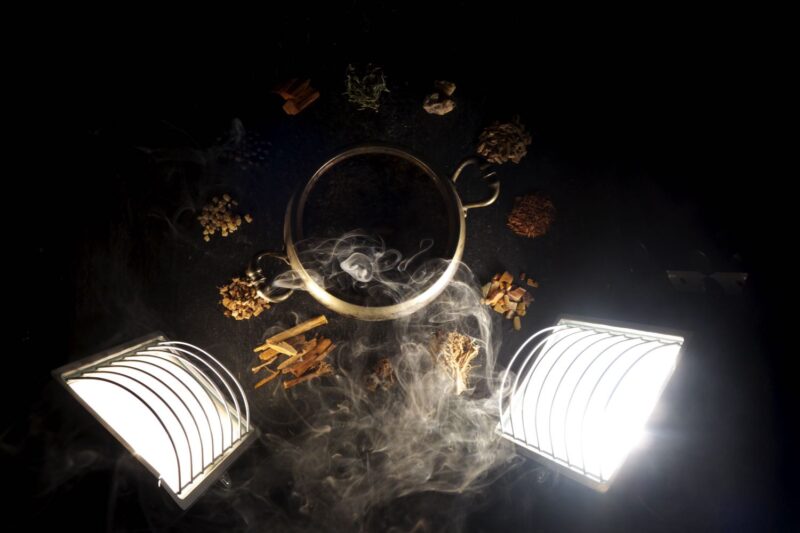
Frankincense, also known as olibanum, is an aromatic resin obtained from trees of the genus Boswellia. This ancient substance has been highly valued for its use in incense, perfumes, and traditional medicine. The resin is harvested by making small incisions in the tree bark, allowing the sap to ooze out and harden into beads of frankincense. Known for its rich, earthy aroma with hints of citrus and spice, frankincense has been used in religious and cultural ceremonies for thousands of years. It is believed to possess various therapeutic properties, such as reducing stress, promoting relaxation, and enhancing meditation practices. High-quality frankincense is primarily sourced from regions like Somalia and Oman, where the unique climate and soil conditions contribute to its distinctive fragrance and beneficial qualities.

The dynamic collaboration between the Greek vibraphonist and the German-Romanian double bass player has birthed an artistic partnership that defies the constraints of rigid genre categorizations. Their musical journey is an exploration that draws sustenance from a myriad of sources, ranging from the intricate compositions of 20th and 21st-century classical music to the spirited rhythms of jazz and the evocative tales woven within folklore traditions. This union of sonic exploration transcends the limits of predefined labels, for the essence of their work lies in the realm of boundless creativity.
The intertwining of their unique backgrounds results in an exquisite tapestry of sound, where the vibrancy of balkan heritage converges with the cosmopolitan influence of contemporary european musical landscapes. Like a delicate thread of free improvisation, their performances unfold in an unscripted dance that mirrors the flow of life itself. In this tapestry, notes cascade like rivulets of emotion, merging and diverging, encapsulating moments of sorrow, joy, and the indefinable spaces in between.
The duo's exploration resonates with a shared pursuit of personal expression. In a world colored by their diverse influences, they craft an auditory experience that is both timeless and contemporary—a testament to the way musical traditions and innovations intermingle at the rhythmic core of human experience.
Incense of Music 55 - Rondo Projects Edition Berlin No. 2
Incense of Music Nr. 55
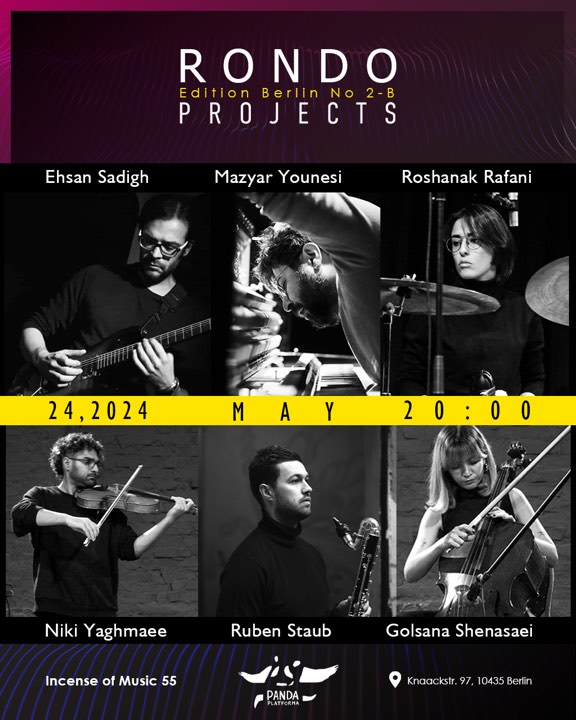
A multisensory concert – Friday, 24th May 2024, 8 pm.
PANDA Platforma in der Kulturbrauerei,
Knaackstr. 97, 10435 Berlin

In its 55th concert Incense of Music is presenting a musical project by Iranian musicians and their international collaborators. “Rondo Projects takes its name as a testament to a series of collaborative musical endeavors initiated by Ehsan Sadigh, an accomplished composer and guitarist, and Mazyar Younesi, a versatile composer and pianist. Together with the multifaceted percussionist Roshanak Rafani, they embarked on their musical journey in October 2023 in Berlin. Fostering a culture of continuous evolution, each edition of Rondo Projects sees the trio collaborating with diverse musicians and instrumentalists. The inaugural edition featured collaborations with Niki Yaghmaee, a skilled viola player, and Golsana Shenasaei, an adept cello player. In their upcoming Edition Berlin No. 2, the band will meet Ruben Staub, an aspiring Clarinet and Bass Clarinet payer. The music of Rondo Projects is the reflection of the lived musical experience of its members. The group places a significant emphasis on improvisation within the process of composition and on the stage, providing a platform for the musicians to stretch their creativity and explore new dimensions.”
Piano, Voice: Mazyar Younesi
Percussion: Roshanak Rafani
Viola: Niki Yaghmaee
Clarinet, Bass Clarinet: Ruben Staub
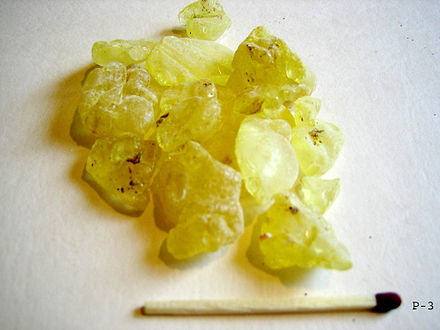
Mastic, also known as mastiha or mastix, is a resin obtained from the mastic tree (Pistacia lentiscus). It has been used for various purposes throughout history, including as a chewing gum, a flavoring agent in cooking, and notably as an incense. When used as incense, mastic resin emits a sweet, woody fragrance with subtle hints of pine and citrus. This aroma is often described as refreshing and uplifting, making it popular for use in religious ceremonies, meditation practices, and aromatherapy. In addition to its pleasant scent, mastic incense is believed to have various therapeutic properties. It has been traditionally used to promote relaxation, alleviate stress, and enhance focus and concentration. Some cultures also associate mastic incense with purification and spiritual cleansing rituals.
Galbanum is a resin obtained from the Ferula galbaniflua plant, native to the Middle East and regions around the Mediterranean. It has been used for centuries as incense due to its distinctive aroma and therapeutic properties. When burned as incense, galbanum emits a complex, green, and earthy fragrance with hints of balsamic sweetness. In ancient times, it was prized for its purported healing properties and was believed to have purifying and balancing effects on the mind and body. Overall, galbanum incense offers a rich and complex fragrance that can enhance various rituals and therapeutic experiences, providing a connection to nature and a sense of tranquility and well-being.
Ehsan Sadigh, 1980, Iran An accomplished Montreal-based artist specializing in guitar and composition, Ehsan Sadigh is a well-established composer, renowned for his contributions to film scores and ensemble performances. With numerous accolades for his musical scores both in Iran and abroad, Ehsan is the founder and leader of the Quartet Diminished, a contemporary jazz band with three albums published by Hermes Records. Collaborating with esteemed musicians like Colin Bass, Tony Levin, and Markus Reuter, their upcoming album, set for release by MoonJune Records in 2024, attests to Ehsan's continuous commitment to musical excellence. As an individual composer and performer, he has collaborated on various albums, including "AX" published by Discordian Records, where he worked alongside Vasco Trilla, a Spanish drummer, and the Barcelona-based saxophonist Liba Villavecchia.
Mazyar Younesi, 1983, Iran A Tehran-based versatile musician engaged in various musical activities, including composition, conducting, piano performance, and countertenor singing. He is a successful composer recognized for his involvement in orchestral and ensemble projects, as well as for his contributions to film and animation scores, which have garnered him several awards. Mazyar possesses a background in Iranian music, demonstrating proficiency with instruments such as Tombak and Setar. Additionally, his academic knowledge spans piano performance and composition. Since 2016, he has held the role of music director and conductor for the Austro-Iranian Symphony Orchestra (AISO). In the realm of contemporary jazz music, Mazyar serves as the composer and pianist for the Quartet Diminished. He has been showcased at the Show of Hands Festival in Iran and Turkey for the years 2017, 2018, and 2023.
Roshanak Rafani, 1994, Iran A multi-dimensional Berlin-based percussionist, Roshanak Rafani's diverse background in both Iranian and Classical music has enabled her to transcend conventional genre boundaries, nurturing her artistic curiosity. Specializing in instruments such as Daf and 2 Tombak, she has showcased her talents internationally, performing solo and as part of ensembles like the Mahbanoo Ensemble. A graduate of percussion performance from the Barenboim-Said Akademie in Berlin, Roshanak boasts extensive experience performing with esteemed orchestras such as the Austro-Iranian Symphony Orchestra (AISO), Junge Philharmonie Berlin, Deutsches Kammerorchester Berlin (DKO), and the West-Eastern Divan Orchestra under the direction of Daniel Barenboim. In the contemporary music sphere, Roshanak has collaborated with various musicians and ensembles, including the Pierre Boulez Ensemble, Lugano Percussion Ensemble, and Cymin Samawatie.
Incense of Music Nr. 54/ Hayden Chisholm Quartet
Incense of Music Nr. 54
A multisensorial concert- Friday, 17th May 2024, 8 p.m.
PANDA Platforma in der Kulturbrauerei,
Knaackstr. 97, 10435 Berlin
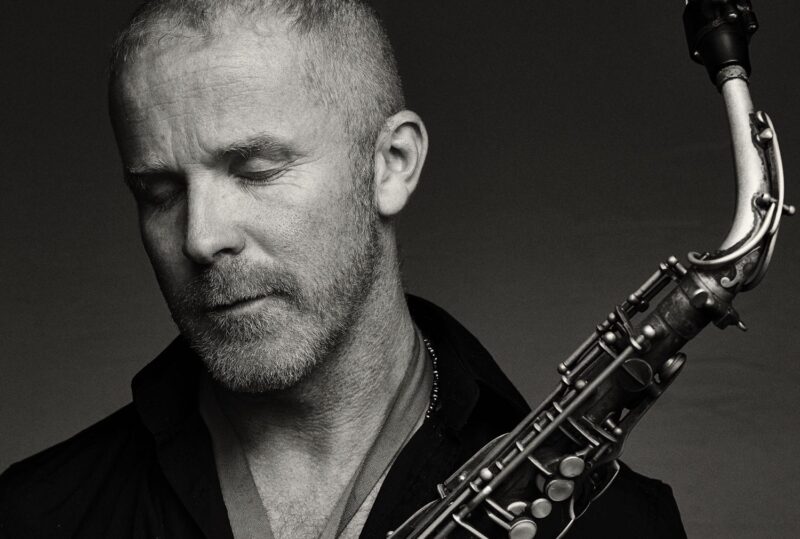
Hayden Chisholm, a masterful saxophonist and composer, brings a unique blend of influences to his music, transcending traditional boundaries to create an immersive sonic experience. Drawing inspiration from jazz, classical, folk, and world music traditions, Chisholm's compositions are marked by their depth, emotional resonance, and exquisite craftsmanship. As the protagonist of the 54th concert of the "Incense of Music" series, Chisholm and his quartet promise an evening of musical enchantment like no other. Picture yourself enveloped in a tapestry of rich harmonies, intricate melodies, and soul-stirring rhythms, all woven together with Chisholm's signature style and virtuosity. But the experience doesn't stop there. Just as music has the power to transport us to different realms, so too does scent. Imagine the air infused with fragrances carefully chosen to complement the music, enhancing every note and chord with an extra layer of sensory delight. From the earthy warmth of myrrh to the sweet freshness of rosebay, each scent harmonizes with the music to create a truly multisensory experience. So come, let yourself be carried away on a journey of sound and scent, as Hayden Chisholm and his quartet lead you through an evening of great sounds and beautiful fragrances. It's a concert you won't want to miss, a celebration of music and sensory wonder that will leave you spellbound long after the final note has faded away. For guests who are particularly sensitive to smoke,this event is not recommended.
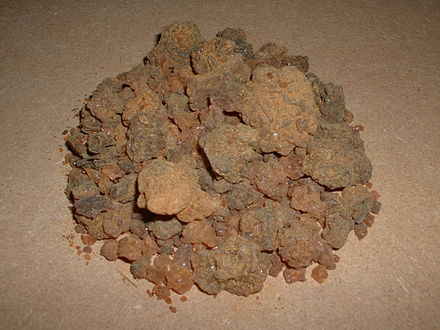
Myrrh is a resin derived from the Commiphora myrrha tree, native to regions of Africa and the Middle East. It has been used for thousands of years as incense, prized for its rich fragrance and various therapeutic properties. When burned as incense, myrrh releases a complex aroma that is both earthy and slightly sweet, with resinous undertones. The scent is often described as warm, spicy, and balsamic, with hints of wood and citrus. Myrrh incense has a long history of use in religious and spiritual ceremonies, as well as in traditional medicine and aromatherapy. In religious rituals, myrrh incense is often associated with purification, prayer, and meditation. It is believed to have a grounding and calming effect on the mind and spirit, helping to create a sacred atmosphere for worship and contemplation. Overall, myrrh incense offers a deep and complex fragrance that can evoke a sense of reverence, tranquility, and connection to the divine. Its rich history and therapeutic benefits make it a popular choice for use in various rituals and spiritual practices.
Rosebay, also known as rhododendron, is a flowering plant belonging to the genus Rhododendron. When burned as incense, rosebay emits a subtle yet enchanting fragrance that is floral, sweet, and slightly spicy. The aroma is reminiscent of fresh blossoms in a garden, with delicate undertones that evoke a sense of tranquility and beauty. In some cultural traditions, rosebay incense may be used for ceremonial purposes, such as in rituals celebrating the beauty of nature or invoking feelings of love and affection. Its aromatic properties may also be associated with purification and spiritual renewal, creating an atmosphere of purity and reverence. While rosebay may not be as commonly used as other types of incense, its unique fragrance and potential symbolic significance make it a captivating choice for those seeking to incorporate the beauty of nature into their spiritual practices.Incense of Music Nr. 53 - Nebbia, Parkins
Incense of Music Nr. 53
A multisensorial concert- Friday, 9th February 2023, 8 p.m.
Incense of Music is back with a highly experimental concert by a trio with Camila Nebbia, Andrea Parkins and a surprise guest.
Camila Nebbia: tenor saxophone
Knaackstr. 97, 10435 Berlin
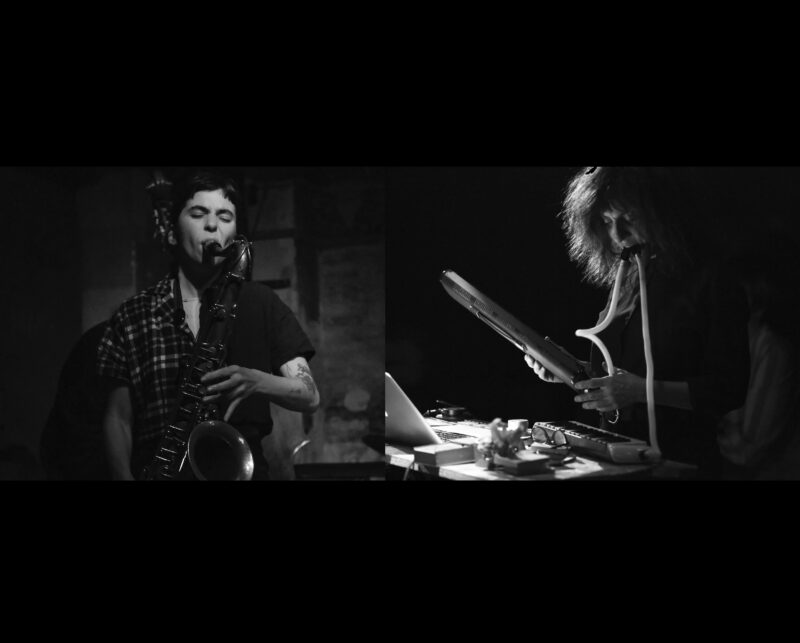
Andrea Parkins
Born: Pittsburgh, USA Lives: Berlin www.andreaparkins.com
Andrea Parkins is an electroacoustic musician, composer, and sound artist who engages with interactive electronics as compositional/performative process. Working with an array of sonic materials – electronically processed accordion, custom-built software, amplified objects, and electronic feedback – her performances and installations explore connections and slippages between the body, materiality, sound, site, and space.
Parkins’ projects include multi-channel sound performances and intermedia installations, electroacoustic solo and ensemble compositions; and sound for contemporary dance, experimental film and intermedia performance. She performs as a solo artist, and has collaborated with artists such as Ute Wassermann, Magda Mayas, George E. Lewis, Nels Cline, The Necks, choreographer Vera Mantero, and filmmaker Abigail Child, among others. Her performances and installations have been presented at venues such as the Whitney Museum of American Art, Café Oto, The Kitchen, Experimental Intermedia (NYC), Kunsthalle Basel, and Musée d’Art Moderne et Contemporain, Strasbourg. Festival appearances have included NEXT/Bratislava, Cyberfest/St. Petersburg, All Ears/Oslo, Jazz im Augusto/Lisbon, Music Unlimited/Wels, and many more.
Parkins’ recent projects include The Stray II, a site-responsive 8-channel spatial audio and visual installation that was featured at Momentum 12/The Nordic Biennale at Galleri F15 in Moss, Norway; her intermedia installation, Sonic Spaces for the Stray, presented in 2021 at ROM for kunst og arkitektur in Oslo; and her performance/installation, Two Rooms, Variation 1, for 40 loudspeakers and Solo Performer, premiered in 2016 at Akousma Festival in Montreal.
Andrea Parkins has been an invited resident artist at Rauschenberg Residency in Captiva, Florida; Elektronmusikstudion (EMS), Stockholm; Harvestworks Digital Media Arts Center (NYC); and by Frei und Hanseastadt Hamburg Kulturbehoerde. Her recordings are published by Important Records, Infrequent Seams, Confront Recordings, Atavistic, Henceforth Records and Creative Sources; and she can be heard as a contributor on numerous other labels. In 2022-2023, she is a fellow of the Berliner Förderprogramm Künstlerische Forschung / Berlin Artistic Research Grant Programme.
Recent Press:
“Sounding Objects: Andrea Parkins Interviewed by Lea Bertucci: Expanding Notions of Composition” Bomb Magazine (6 May 2022). https://bombmagazine.org/articles/andrea- parkins-interviewed/
“11+3 Interview with Andrea Parkins.” Digital in Berlin (August 2020,) https://www.digitalinberlin.de/andrea-parkins
Camila Nebbia
Camila Nebbia is a saxophone player, composer, improviser, visual artist, curator and educator debasing hierarchical systems by exploring counterpoints of migrational longing through multiple, but minimally separated, mediums. From Buenos Aires, Argentina, based in Berlin, Germany, the multidisciplinary artist layers her practice through the creation and destruction of archival memory.
Has released as a band leader and solo performer “A veces la luz de lo que existe resplandece solamente a la distancia” (Kuai 2017), “De este lado” (Club del disco 2019), Aura (ears&eyes records 2020),“Corre el río de la memoria” (ramble records 2021) and “Presencias” (Sound Holes 2021) “Una ofrenda a la ausencia” (Relative Pitch Records 2023).
Played and recorded with many artists of the international scene such as Valentin Garvie, El devenir del río, Burka, Paula Shocron, Barbara Togander, Patrick Shiroishi, Paul Pignon, Vinnie Sperrazza, Katt Hernandez, Kenneth Jimenez, Lesley Mok, Violeta García, Axel Filip, Susana Santos Silva, Tom Rainey, Elsa Bergman, l’ Arfi collective of Lyon, Joanna Mattrey, Micheal Formaneck, Vincent Dromowski’s Flow regulator, Sofia Borges, John Hughes, among others.
Co-creator and curator of the collective interdisciplinary group and improvised music series “La Jaula se ha vuelto pájaro y se ha volado”, the interdisciplinary festival “Guillotina Fest'' and creator and curator of the streaming concert series called “The warmth of proximity” and “A door in the mountain”. Runs the concert series and independent label “Disfigured Rivers” based in Berlin.
Participated of many festivals around the world such as Winter Jazz Fest NYC co-presented with M3 (U.S), Buenos Aires Jazz Festival (ARG), Lima Jazz Festival (PE), Diskurs Festival (DE), Ultima Oslo (NO), Saalfelden Jazz Festival (AT), among others, and has assisted to several residencies such as, ART OMI (NYC), SIM (NYC) Jazz & Creative Music dictated by Tyshawn Sorey and Vijay Iyer (CA), Konvent Zero (ES) UNCOOL (CH), Ensemble Evolution (US), CirkusVranen (SE), CCK with Tim Berne, Marilyn Crispell & Ben Goldberg (AR), among others.
Studied classical saxophone at the Conservatory "Astor Piazzolla", jazz at the "Manuel de Falla" Conservatory, Film Direction at the Universidad Del Cine, and the master degree program “CoPeCo Contemporary Performance and Composition at Estonian Academy of Music and Theatre in Estonia, Royal College of Music in Stockholm in Sweden, National Superior Conservatory of Music Dance of Lyon in France and Hamburg University of Music and Theatre in Germany. Was part of the second cohort of Mutual Mentorship for Musicians M3 created by Jen Shyu & Sara Serpa 2021, and was a curatorial fellow at the Experimental Sound Studio of Chicago 2022. Camila Nebbia is endorsed by D’Addario Woodwinds.

Incense of Music 29 - Shahhosseini, Flaig
Ein multisensorisches Konzert- Dienstag 16. Oktober 2018, 19:30 Uhr
Yasamin Shahhosseini: Oud; Sebastian Flaig: Perkussionen – Fabio Dondero und Dominik Breider (Incense burning): Grapefruit und Galbanum -LouLou – Begegnungsort für alte und neue Nachbar*innen, Lübecker Str. 21 , 10559 Berlin-MoabitRead more
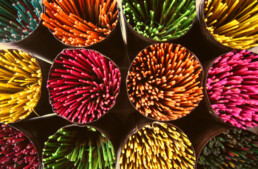
Incense of Music 28 - Mazterfly
A multisensorial concert – Sunday, 14th October 2018 , 9 p.m.
Mazterfly: electro acoustic music; Berni Ramon: electronics, Tim Brosig: sax, special guest: Chris Whitley – Fabio Dondero and Dominik Breider (Incense burning): Damiana and Abelmoschus . ausland, Lychenerstrasse 60, 10437 BerlinRead more

About other animals
The percentage of the dog’s brain that is devoted to analyzing smells is actually 40 times larger than that of a human!

Incense of Music 27 - Dahlgren, Bontranger
A multisensorial concert - Friday, 22nd June 2018 , 7 p.m.
Chris Dahlgren: viola da gamba; Nathan Bontranger: viola da gamba – Fabio Dondero und Dominik Breider (Incense burning): Dammar and Acorus calamus.
Salon Dreiklang, Paul-Robeson-Strasse 47, 10439 BerlinRead more
Incense of Music 26 - Chisholm, Despotakis, Lubbe
A multisensorial concert- Thursday, 31st May 2018, 7 p.m.
Hayden Chisholm : Saxophon, Obertongesang; Yannis Despotakis: Perkussionen, Obertongesang; Gareth Lubbe: Klavier, Viola, Obertongesang - Fabio Dondero und Dominik Breider (Incense burning): Palo Santo und Galbanum
Salon Dreiklang, Paul-Robeson-Strasse 47, 10439 BerlinRead more
Incense of Music 25 - Bellanova, Flaig
Ein multisensorisches Konzert – 21. April 2018, 19 Uhr – Valentina Bellanova: ney, recorders; Sebastian Flaig: percussions – Fabio Dondero und Dominik Breider (Incense burning): Weihrauch und Labdanum . Salon Dreiklang, Paul Robeson Strasse 47 , 10439 Berlin
Incense of Music 24 - Anissegos, Karl
Ein multisensorisches Konzert – 23. Februar 2018, 19 Uhr – Antonis Anissegos: Klavier; Kay Karl: Gongs – Fabio Dondero und Dominik Breider (Incense burning): Süßgras und Guajak. Salon Dreiklang, Paul Robeson Strasse 47 , 10439 Berlin
Incense of Music 23 – Shilkloper, Butterbrot
Ein multisensorisches Konzert - 13. Januar 2018, 20 Uhr - Arkady Shilkloper: Waldhorn, Flügelhorn, Alphorn, Muschelhorn - Alexandra Goloborodko und Alexandra Yurieva-Civjane (International Cultural Project Butterbrot): Konzept, Installation und Performance "The Forest of Symbols" - Fabio Dondero und Dominik Breider (Incense burning): Nordtanne und Fichtenharz. Vinogradov Galerie: Chodowieckistr. 25, 10405 Berlin
Incense of Music 22 - Dahlgren, Filippou, Puntin
Incense of Music Nr. 22 – Ein olfaktorisches Konzert – 15. Dezember 2017, 19:00 Uhr – DHALGREN: Chris Dahlgren: Gitarre, Bass, Viola da gamba, Stimme - Evi Filippou: Vibraphon, Claudio Puntin: Klarinette und Bassklarinette – Fabio Dondero und Dominik Breider (Incense): Petitgrain und Neroli. Salon Dreiklang, Paul Robeson Strasse 47 , 10439 Berlin
Incense of Music 21 - People of the Wind/ Filippou
Incense of Music Nr. 21 - Ein olfaktorisches Konzert – 13. Oktober 2017, 19:00 Uhr - PEOPLE OF THE WIND – James Wylie: Saxophon; Fausto Sierakowski: Saxophon; Alexandros Rizopoulos: Perkussionen + Evi Filippou: Perkussionen – Fabio Dondero und Dominik Breider (Incense burning): Sandelholz und amerikanische Zeder. Biergarten Jockel, Ratiborstrasse 14c, 10999 Berlin
Incense of Music No. 19 - Video (excerpts)
https://vimeo.com/225331670
Oscar Bohórquez, vl; Claudio Bohórquez, vc; Gustavo Beytelmann, p.
Incense of Music No. 19, Volksbuehne, Roter Salon - 18.6.2017
Fabio Dondero und Dominik Breider (Incense burning): Copal Oro und Palo Santo
Video: Fabio Dondero
Incense of Music No. 18 - Video
https://vimeo.com/226575321
Ein olfaktorisches Konzert – 27. Mai 2017, 13 Uhr
Damaskus-Berlin: Nabil Hilaneh: Oud, Maria Magdalena Wiesmaier: Cello; Ugarit Trio: Nabil Hilaneh: Oud, Mevan Younes: Buzuq, Mohamad Fityan: Nay, Kawala, George Saade: Perkussionen – Fabio Dondero und Dominik Breider (Incense burning): Wacholder und Weihrauch
St. Elisabeth Kirche, Berlin Mitte
Incense of Music No. 16 - Video
https://vimeo.com/230749195
Love in Numbers, Werke von H. Chisholm . Elemi Saxophone Quartet:Christian Weidner: Alt Saxophon; Philipp Gerschlauer: Alt Saxophon; Moritz Köther: Alt Saxophon; Bastian Duncker: Alt Saxophon – Fabio Dondero und Dominik Breider (Incense burning): Elemi und Myrrhe
St. Elisabeth Kirche, Berlin Mitte
Incense of Music No. 15 - Video (excerpts)
https://vimeo.com/221882990
Incense of Music No. 15
Ein olfaktorisches Konzert – 14. Mai 2017, 20 Uhr
YEK – Burnt Friedman: Electronics; Mohammad Reza Mortazavi:Tombak - Fabio Dondero und Dominik Breider (Incense burning): Rosmarin und Opoponax
Palais im Roten Salon, Volksbuehne Berlin
Kamera: Rasmus Bell, Tim Novikov, Stefan Blahut, Fabio Dondero
Video: Fabio Dondero
Incense of Music 20: Thimios Atzakis in Belgrade
Incense of Music Nr. 20
Ein olfaktorisches Konzert – 27. Juni 2017, 23 Uhr
Dorcol Festival Beograd: Thimios Atzakas: Oud – Fabio Dondero und Dominik Breider (Incense burning): n.n.. Џез Клуб Миша Блам, Краља Петра 71, Београд, Србија 11000 Serbia, LINK DORCOL FESTIVALRead more
Incense of Music 19 - Beytelmann, Bohórquez & Bohórquez
Incense of Music Nr. 19
Ein olfaktorisches Konzert – 18. Juni 2017, 20 Uhr, Einlass 19 Uhr
TANGO ARGENTINO: Gustavo Beytelmann: Klavier; Oscar Bohórquez: Geige; Claudio Bohórquez: Cello – Musik von Astor Piazolla und Gustavo Beytelmann - Fabio Dondero und Dominik Breider (Incense burning): Palo Santo und Copal Oro. Roter Salon in der Volksbuehne, LINK VOLKSBUEHNE
„Wenn der Tango sich nicht verändert,
verkommt er zu einem Musikmuseum
und hört auf, Volksmusik zu sein.“
Zum Konzert verräuchern wir Copal Oro aus Guatemala und Palo Santo aus Peru.Read more
Incense of Music im Deutschlandfunk bei Zeig Dich!
https://soundcloud.com/fabio-dondero/kirchentag-iom-deutschlandfunk
Incense of Music 17 - Lubbe, Filippou at Zeig Dich!
Ein olfaktorisches Konzert, 26. Mai 2017, 13 Uhr - „Ekurhuleni“: Afrikanische Obertöne, klassische Viola und griechische Rhythmen. Gareth Lubbe (Viola, Obertongesang), Evi Filippou (Perkussion) - Fabio Dondero und Dominik Breider (Incense burning): Lorbeer und Weißer Salbei, Zeig Dich!, Evangelischer Kirchentag 2017, St. Elisabethkirche, Berlin MitteRead more
Incense of Music 15 - YEK: Friedman, Mortazavi
Incense of Music No. 15 - Ein olfaktorisches Konzert – 14. Mai 2017, 20 Uhr - YEK – Burnt Friedman: electronics; Mohammad Reza Mortazavi: Tombak - Fabio Dondero und Dominik Breider (Incense burning): Rosmarin und Opoponax. Palais im Roten Salon, Volksbuehne Berlin, LINK VOLKSBUEHNERead more
Incense of Music 13 - Shilkloper, Neselovskyi
Ein olfaktorisches Konzert – 2. April 2017, 21 Uhr (Einlass 20 Uhr) – Mit Arkady Shilkloper (Waldhorn, Alphorn, Flügelhorn) und Vadim Neselovskyi (Klavier, Melodica) – Fabio Dondero und Dominik Breider (Incense burning): Birke (Deutschland) und Bernstein (Lettland) – Palais im Roten Salon in der Volksbuehne, Berlin, LINK VOLKSBUEHNERead more
Incense of Music 12 – Archivo Pittoresco: Lula Pena, H. Chisholm
Ein olfaktorisches Konzert – 14. März 2017, 20 Uhr – „Archivo Pittoresco“ - Lula Pena: Gesang, Gitarre - Hayden Chisholm: Saxophon - Fabio Dondero und Dominik Breider: Incense burning – Lavendel (Italien) und Labdanum (Griechenland) – Palais im Roten Salon in der Volksbuehne, Berlin, LINK VOLKSBUEHNERead more
Incense of Music 11 - SPELL: Fotinaki, Filippou
Ein olfaktorisches Konzert – 13. März 2017, 20 Uhr –Katerina Fotinaki: Gesang, Gitarre - Evi Filippou: Perkussion - Fabio Dondero und Dominik Breider: Incense burning: Griechische Zypresse (Cupressus sempervirens) und Wermut (Artemisia absinthium L.) – Palais im Roten Salon in der Volksbuehne, Berlin – LINK VOLKSBUEHNE
Incense of Music bei Zeig Dich!, Evangelischer Kirchentag 2017
Am 25., 26. und 27. Mai 2017 gastiert Incense of Music bei Zeig dich!, dem Kulturprogramm des diesjährigen Evangelischen Kirchentages. Die Konzerte finden in der St. Elisabeth-Kirche in Berlin (Invalidenstr. 3, 10115 Berlin) statt.Read more
Incense of Music 10 – Damaskus-Berlin
Ein olfaktorisches Konzert – 24. Februar 2017, 21 Uhr, 20 Uhr Einlass- "Damaskus - Berlin" Maria Magdalena Wiesmaier: Cello; Nabil Hilaneh: Oud - Fabio Dondero und Dominik Breider: Incense burning – Linde (Deutschland) und Cedrus Libani (Syrien) – Palais im Roten Salon in der Volksbuehne, Berlin - LINK VOLKSBUEHNE
Incense of Music Nr. 9 – DOHA
Ein olfaktorisches Konzert - 30. Januar 2017, 20 Uhr - DOHA - Mit Gareth Lubbe (Viola, Obertongesang), Hayden Chisholm (Saxophon, Obertongesang) und Claudio Bohórquez (Cello, Obertongesang) - Fabio Dondero und Dominik Breider (Incense burning): Palo Santo und White Sage - Palais im Roten Salon in der Volksbuehne, Berlin - LINK VOLKSBUEHNE
Read more
Agathis australis
Agathis australis, commonly known by its Maori name kauri, is a coniferous tree of Araucariaceae in the genus Agathis, found north of 38°S in the northern districts of New Zealand’s North Island. Kauri forests are among the most ancient in the world. The tree has smooth bark and small narrow leaves. Read more
American cedar
American cedar, California frankincense cedar or California river cedar (Calocedrus decurrens) is one of the four species of the genus Frankincense cedar (Calocedrus). Characteristic of this type are the elongated, annual cones made up of six scales, the Thujen-like branches and the orange, longitudinally cracked bark of older trees. Read more
Artemisia absinthium
Artemisia absinthium L., common wormwood or wormwood (English: Wormwood, Greek Αρτεμισία το αψίνθιο) has its natural occurrence in the temperate regions of Eurasia and in North Africa. Although the plant is often found in Europe and it is one of the medicinal herbs cultivated in the monastery gardens for centuries, due to its rather unassuming appearance, it is not recognized by many forest walkers.
Read more
Artemisia Vulgaris
Artemisia Vulgaris (commonly known as mugwort, felon herb, chrysanthemum weed, wild wormwood, Old Uncle Henry, sailor’s tobacco, naughty man, old man or St. John’s plant ) is a tall herbaceous perennial plant growing 1–2 m tall, with a woody root, native to temperate Europe, Asia, northern Africa and Alaska.Read more
Amber (Baltic Succinite)
Amber (from Central Low German: Börnesteen, i.e. "Brennstein") is a fossil resin that comes from an extinct plant species that has not yet been finally identified. By far the most common type of amber is succinite, of which there are estimated to be more than 640,000 t in the Baltic States.
Read more
Birch
Birch is a thin-leaved, generally small to medium-sized deciduous hardwood tree of the genus Betula in the family Betulaceae, which also includes alders, hazels, and hornbeams, and is closely related to the beech/oak family, Fagaceae. They are typically rather short-lived pioneer species widespread in the Northern Hemisphere, particularly in northern temperate and boreal climates.Read more
Boswellia sacra
Boswellia sacra (commonly known as frankincense or olibanum-tree) is a tree in the Burseraceae family, from which frankincense, a resinous dried sap, is harvested. It is native to the Arabian Peninsula (Oman, Yemen) , and northeastern Africa (Somalia). Read more
Cedrus deodara
Cedrus deodara (deodar cedar, Himalayan cedar) is a species of cedarnative to the western Himalayas in eastern Afghanistan, northern Pakistan and northern India, in Tibet and western Nepal, occurring at 1,500–3,200 m (4,921–10,499 ft) altitude.Read more
Cupressus sempervirens (cypress)
Cupressus sempervirens, the Mediterranean cypress (also known as Italian cypress, Tuscan cypress, graveyard cypress, or pencil pine), is a species cypress native to the eastern Mediterranean region, in Libya, Albania, Croatia, Greece, Turkey, Cyprus, Egypt, Syria, Lebanon, Israel, Malta, Italy, Jordan and Iran.
Elemi
Elemi - Canarium is a genus of about 100 species of tropical and subtropical trees, in the family Burseraceae. They grow naturally across tropical Africa, south and southeast Asia, Indochina, Malesia, Australia and western Pacific Islands; including from southern Nigeria east to Madagascar, Mauritius, Sri Lanka and India;Read more
Galbanum
Galbanum is an aromatic gum resin and a product of certain umbelliferous Persian plant species in the genus Ferula, chiefly Ferula gummosa (synonym F. galbaniflua) and Ferula rubricaulis. Galbanum-yielding plants grow plentifully on the slopes of the mountain ranges of northern Iran. Read more
Grapefruit (Citrus paradisi)
The grapefruit (Citrus × paradisi) is a subtropical citrus tree known for its relatively large sour to semi-sweet, somewhat bitter fruit. Grapefruit is a citrus hybrid originating in Barbados as an accidental cross between two introduced species – sweet orange (C. sinensis), and pomelo (or shaddock) (C. maxima) – both of which were introduced from Asia in the seventeenth century.Read more
Guaiacum
Guaiacum denotes a genus of the zygomatic family (Zygophyllaceae). It contains six to eight tree species from tropical and subtropical America. Guaiacum species are trees or shrubs with very hard, resin-rich wood. There are six to eight species in the genus of guaiac trees (Guaiacum) in tropical and warmer America: Guaiacum angustifolium - Mexico and Texas; Guaiacum coulteri - Mexico; Guaiacum unijungum - Baja California in Mexico; Guaiacum officinale L. - Antilles and the north coast of South America.Read more
Juniperus communis
Juniperus communis is a species in the genus Juniperus, in the family Cupressaceae. It has the largest range of any woody plant, throughout the cool temperate Northern Hemisphere from the Arctic south in mountains to around 30°N latitude in North America, Europe and Asia. Read more
Labdanum
Labdanum, also called ladanum, laudanum, ladan or ladanon, is a sticky brown resin obtained from the shrubs Cistus ladanifer (western Mediterranean) and Cistus creticus (eastern Mediterranean), species of rockrose. It has a long history of use in herbal medicine and as a perfume ingredient.Read more
Laurus nobilis
Laurus nobilis or laurel is an aromatic evergreen with green, glossy leaves, native to the Mediterranean region. Laurel can vary greatly in size and height, sometimes reaching 10 to 18 metres. It is widely used in a wide variety of recipes, particularly in the Mediterranean kitchen, and for medical treatments. In ancient Greece (Daphne is the Greek name for the tree) and Roman culture it was a symbol of victory and highest status, today it gives still the name to an academical degree. In the Bible laurel is often an emblem of prosperity and fame, in Christian tradition, it symbolizes the resurrection of Christ.Read more
Lavandula
Lavandula (common name lavender) is a genus of 39 known species of flowering plants in the mint family, Lamiaceae. It is native to the Old World and is found from Capo Verde and the Canary Islands, Europe across to northern and eastern Africa, the Mediterranean, southwest Asia to southeast India. Many members of the genus are cultivated extensively in temperate climates as ornamental plants and landscape use, for use as culinary herbs, and also commercially for the extraction of essential oil. The English word lavender is generally thought to be derived from Old French lavandre, ultimately from the Latin lavare (to wash), referring to the use of infusions of the plants. The most common form in cultivation is the common or English lavender Lavandula angustifolia. Lavenders flourish best in dry, well-drained, sandy or gravelly soils in full sun. All types need little or no fertilizer and good air circulation. English lavender yields an essential oil with sweet overtones, and can be used in balms, salves, prfumes, cosmetics, and topical applications. The plant is as well used as a condiment in the kitchen and as a herb in medical treatments having an anxiolytic effect and influence in sleep quality. Lavender was one of the holy herbs used in the biblical Temple to prepare the holy essence, and nard (‘nerd’ in Hebrew) is mentioned in the Song of Solomon (4,14).

Lavandula Angustifolia, der Echte Lavendel oder Schmalblättrige Lavendel (Lavandula officinalis, Lavandula vera) ist eine Pflanzenart aus der Gattung Lavendel (Lavandula) innerhalb der Familie der Lippenblütler (Lamiaceae). Der mittellateinische Name "Lavandula" gehört zum lateinischen lavare = waschen, weil man das aromatische Kraut gern dem Waschwasser oder den Bädern zusetzte. Lavendel ist ein Lehnwort aus dem lateinischen "lavandula". Die Heimat des Lavendel sind ursprünglich die Küstenregionen des Mittelmeers. Dort kommt er an trockenen, warmen Hängen bis Dalmatien und Griechenland sowie in der Toskana in Italien weit verbreitet vor. Benediktiner-Mönche führten ihn nördlich der Alpen ein. Der Echte Lavendel gehört zu denjenigen Arten, die als winterhart gelten und daher im Freien den in Mitteleuropa üblichen Winter gut überstehen. Eingebürgert ist er bei Jena, Rudolstadt und Bad Blankenburg. Aktuell wird in Deutschland ein bescheidener Lavendelanbau in der Nähe von Detmold betrieben. Der Gebrauch des Lavendels auf den britischen Inseln geht weit zurück, denn er ist schon unter den Arzneien der Physicians of Myddvai (13. Jahrhundert) angeführt. Allerdings gilt: je kälter die Gegend, desto geruchsärmer der Lavendel. Dem Echten Lavendel wird ein breites therapeutisches Spektrum zugeschrieben. In seinem Lehrbuch der Biologischen Heilmittel (1938) sagt Gerhard Madaus: „Lavandula ist ein mildes Nervinum, das besonders bei Migräne gern gegeben wird. Man verordnet es bei Neurasthenie, Vertigo, nervösem Herzklopfen, allgemeinen nervösen Aufregungszuständen, Hysterie, Krämpfen, Ohnmachten und Schlaflosigkeit.“ Matthiolus nennt in seinem Kräuterbuch die Lavandula ein "köstlich Kraut wider alle kalten Gebresten des Hirns und der Senader/ als da ist der Schwindel/ gantze und halbe Schlag/ der fallend Siechtag/ die Schlafsucht/ Krampff/ Zittern/ Contract und Lähme".
https://vimeo.com/190195097
Oud
Oud, also known as agarwood, aloewood or jinko, is a resin that forms in Aquilaria trees, large evergreens native to southeast Asia when they become infected with a type of mould. Prior to infection, the heartwood is relatively light and pale coloured; however, as the infection progresses, the tree produces a dark aromatic resin in response to the attack, which results in a very dense, dark, resin embedded heartwood. Read more
Palo Santo
Bursera graveolens, known in Spanish as palo santo ("holy wood"), is a wild tree native from Mexico and the Yucatán Peninsula to Peru and Venezuela that inhabits the South American Gran Chaco region (northern Argentina, Paraguay, Bolivia and the Brazilian Mato Grosso). It is also found in Costa Rica, El Salvador, Guatemala, Honduras, Colombia, Ecuador, Peru and on the Galápagos Islands. Read more
Salvia apiana (White sage)
Salvia apiana (white sage, bee sage, or sacred sage) is an evergreen perennial shrub that is native to the southwestern United States and northwestern Mexico, found mainly in the coastal sage scrub habitat of Southern California and Baja California, on the western edges of the Mojave and Sonoran deserts. S. apiana is a shrub that reaches 1.3 to 1.5 metres tall and 1.3 metres wide. The whitish evergreen leaves have oils and resins that release a strong aroma when rubbed. Read more
Sandarac
Sandarac (or sandarach) is a resin obtained from the small cypress-like tree Tetraclinis articulata. The tree is native to the northwest of Africa with a notable presence in the Southern Morocco part of the Atlas mountains. The resin exudes naturally on the stems of the tree but is also obtained by making cuts on the bark. It solidifies when exposed to the air and comes to commerce in the form of small solid chips, translucent, and having a delicate yellow tinge.Read more
- 1
- 2

Deutsch


Copal is a name given to tree resin from the copal tree Protium copal (Burseraceae) that is particularly identified with the aromatic resins used by the cultures of pre-Columbian Mesoamerica as ceremonially burned incense and other purposes.