Deutsch
Copal Oro (Bursera spp.)

Copal is the collective term for aromatic tree resins from Mesoamerica, obtained mainly from various Bursera species — close relatives of frankincense and myrrh, growing in the dry forests of Mexico and Guatemala. "Copal Oro," or "golden copal," refers to the finest, palest, and most transparent grade of the resin, particularly prized from the Guatemalan highlands. It is hand-collected from incisions in the bark and air-dried over weeks until it hardens into clear, golden-yellow, nearly translucent pieces — a markedly paler, finer result than the darker, coarser copal grades harvested from wounded or older trees. The name "oro," Spanish for "gold," refers to the resin's characteristic golden-yellow to honey-coloured tone once hardened, noticeably paler and clearer than the darker copal derived from Protium species. It is traditionally harvested in the highland forests of Guatemala and neighbouring regions, often above 1,500 metres, where the trees grow under cooler, damper conditions.
The Maya and Aztecs used copal in religious ceremonies as early as pre-Columbian times; it was considered "food of the gods" and burned in temple rituals to present offerings to the gods. To this day, copal remains central to Indigenous spiritual practice in Guatemala and Mexico, used in Day of the Dead ceremonies, where its smoke is believed to guide the souls of the departed back to their families, and in limpias, cleansing rituals in which the smoke is passed over the body or a space to release negative energy. Maya shamans (ajq'ij) traditionally use Copal Oro in fire ceremonies, reserving the finest, palest grade of resin for the highest-ranking occasions. During ritual cleansings (limpias), the burning resin is often passed in circular motions around a person's body, accompanied by prayers, to release negative energy. Maya priests (ajq'ij) continue to use copal oro today in elaborate fire ceremonies, in which various resins and offerings are burned in a fixed, symbolic arrangement.
Burned as incense, Copal Oro releases a bright, sweet, pine-like resinous scent with delicate citrus notes — brighter, gentler, and less earthy than darker copal grades. It is considered the most refined, delicate variety among Mesoamerican resins, traditionally associated with purification, clarity, and connection to ancestors and spirits. Owing to its delicacy, Copal Oro is often burned alone, without other incense materials, so that its bright, almost jewel-like character comes through unclouded. Its pale, almost resin-sweet aroma strikes many as more elegant and refined than the bolder, earthier profile of dark copal, which is why it is often reserved for especially significant occasions.
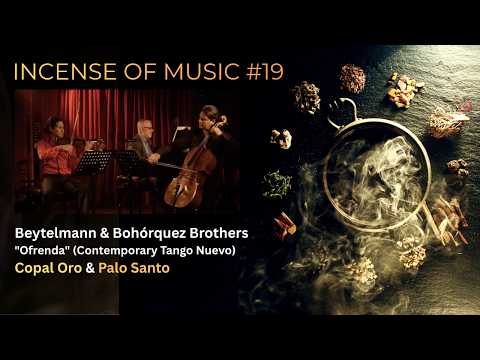
Used in the following concerts