Deutsch
Myrrh (Commiphora)

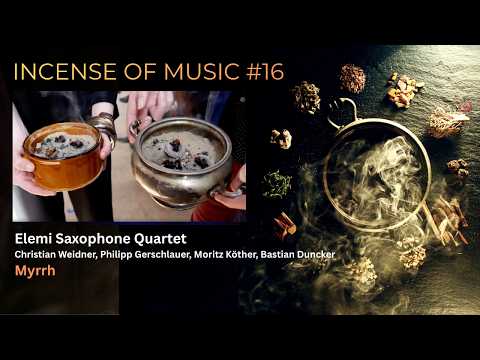
Myrrh comes from small, thorny trees of the genus Commiphora, native to the dry, arid regions of Northeast Africa and the Middle East — particularly Somalia, Yemen, and Ethiopia. The treasured resin is not the wood or sap, but a fragrant gum that naturally oozes from the bark to heal wounds. Harvesters make deliberate cuts to encourage more of this valuable secretion, which hardens into tear-shaped, reddish-brown granules over several weeks. In Greek mythology, Ovid's "Metamorphoses" tells of the princess Myrrha, transformed into a tree that has wept fragrant, resinous tears ever since — the myth from which the name is said to descend.
Myrrh has been traded across the ancient world for over 4,000 years, carried along the same incense routes that connected Arabia, Egypt, and the Mediterranean; in the 15th century BCE, Pharaoh Hatshepsut sent expeditions specifically to the land of Punt to bring back myrrh trees for her temple gardens. The Egyptians used it in embalming and temple rites; it was burned as an offering in Jewish, early Christian, and Islamic traditions alike, and appears in the Bible as one of the three gifts brought to the infant Jesus, alongside gold and frankincense. Myrrh is mentioned again at his death: the Gospel of Mark records that he was offered wine mixed with myrrh at the crucifixion. In classical Greece and Rome it was valued as both perfume and medicine, believed to guard against infection and soothe wounds — a use that survives today in myrrh's role as a mild antiseptic in mouth and dental care. Its association with mourning and embalming has given it a lasting symbolic weight — myrrh is the incense of transitions, endings, and sacred solemnity. Somalia and Yemen remain among the leading producer countries today, and in the Orthodox Church, myrrh is traditionally blended with frankincense into its own incense mixture, burned during the liturgy.
When burned, myrrh releases a rich, complex aroma that is simultaneously earthy, bittersweet, and slightly medicinal. Unlike floral scents, it provides a profound, grounding base note, still used today for meditation, temple ceremonies, and moments that call for gravity and stillness rather than lightness.
Used in the following concerts