Deutsch
Palo Santo (Bursera graveolens)
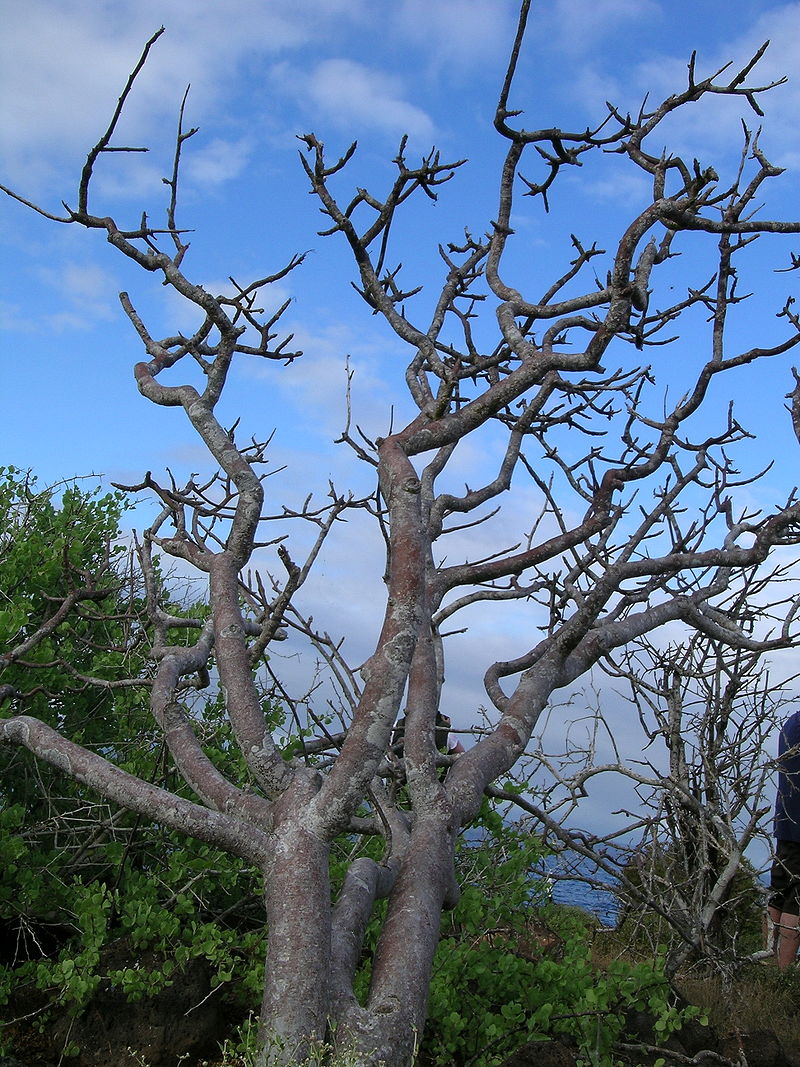
Palo Santo — Spanish for "holy wood" — is a collective term for various resin-rich woods of Central and South America. Particularly prized were woods of the species Bursera graveolens, native to the dry coastal forests of Peru and Ecuador. This plant belongs to the torchwood family and is a relative of frankincense and myrrh. Its aromatic wood is traditionally never cut from a living tree, but collected only years after the tree has died naturally, once the resin has fully developed within the wood; it is burned by simply igniting a larger piece of wood with a flame or, particularly in South America, on coals.
Palo Santo is used for cleansing the body and home, including after contact with the sick or deceased. The Inca used it against respiratory and ear infections, burning it also in blends with mate and rhea feathers. Beyond physical cleansing, Bursera graveolens has a psychically stimulating and mildly euphoric effect; as a sacred wood, it is believed to offer protection against witchcraft and evil spirits. Spiritual centres existing even before the classical Inca period — such as Pátzcuaro in Michoacán, Mexico — show evidence of Bursera graveolens incense use. From the Inca and other Indigenous groups, through the criollos of the Spanish colonial caste system, and to this day, Palo Santo is burned to cleanse mala energía. Among the Naporuna in the Amazon lowlands of Ecuador, Palo Santo is used against mal aire, the "sickness of the jumping navel." In recent years, sharply rising global demand — driven by its spread through wellness and incense practices worldwide — has raised sustainability concerns much like those surrounding white sage.
Palo Santo should not be confused with so-called Peru balsam, Balsamum peruvianum, once used in local hospitals for "sufumigation," obtained from Myroxylon balsamum var. pereirae — which, despite its name, comes not from Peru but from Central America and Asia. Burned as incense, true Palo Santo releases a warm, sweet, woody scent with notes of pine, mint, and citrus, traditionally used to dispel negative energy and promote calm, clarity, and creativity. This clarity has made it one of the most popular cleansing woods used in incense rituals worldwide today.
Used in the following concerts